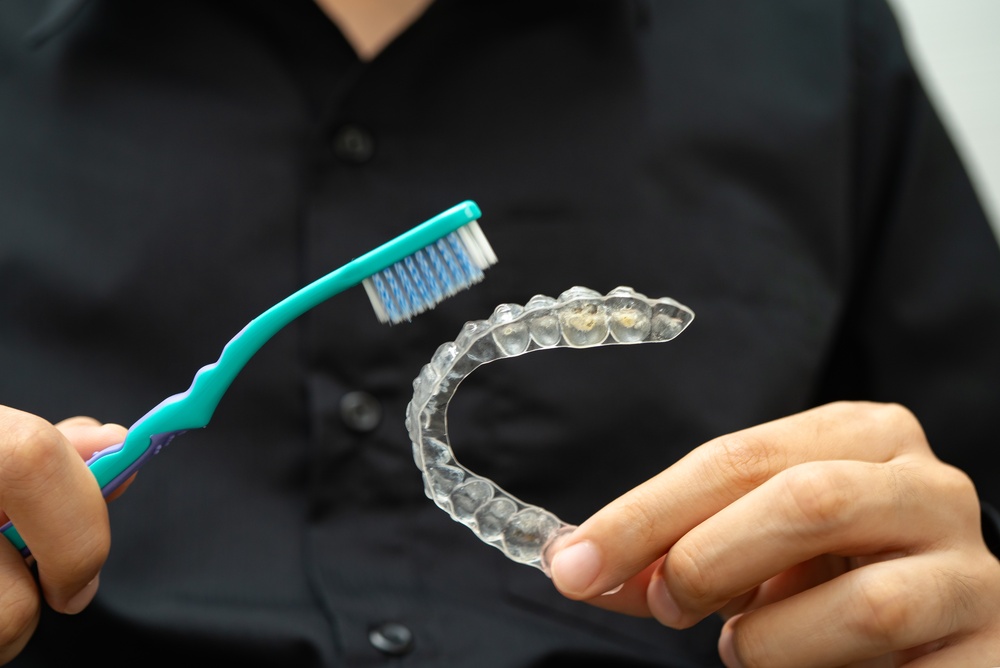


Orthodontic treatment is a type of dental treatment that is designed to correct misaligned teeth and jaws. The most common form of orthodontic treatment is braces, which are brackets, wires, and bands that work together to shift teeth into their correct positions gently. Other types of orthodontic treatment include aligners, headgear, and retainers, which can be used to correct various dental problems.
Improved Oral Health
One of the main benefits of orthodontic treatment for kids is improved oral health. Misaligned teeth can make brushing and flossing difficult, leading to an increased risk of tooth decay and gum disease. By straightening teeth, orthodontic treatment can make maintaining good oral hygiene and preventing dental problems easier.
Enhanced Self-Esteem
Crooked or crowded teeth can make children self-conscious and affect their self-esteem. Orthodontic treatment can help to improve their appearance and give them a more confident smile. This can positively impact their overall self-esteem and help them feel better about themselves.
Better Speech and Chewing
Misaligned teeth can also affect a child’s ability to speak and chew properly. Orthodontic treatment can help correct bite issues and improve the alignment of the jaw, making it easier for children to speak and chew.
Prevent Future Dental Problems
Orthodontic treatment can also help to prevent future dental problems. For example, correcting misaligned teeth and jaws can reduce the risk of developing issues like tooth decay, gum disease, and temporomandibular joint disorder (TMJ). It can also reduce the risk of teeth grinding, which can cause damage to teeth and jaw muscles.
Long-Term Cost Savings
Orthodontic treatment may require an investment upfront but can also lead to long-term cost savings. By preventing dental problems and avoiding the need for more extensive dental work down the road, orthodontic treatment can ultimately save families money.
Greater Comfort and Functionality
Orthodontic treatment can also improve a child’s comfort and functionality. For example, misaligned teeth can cause discomfort and pain, especially when chewing or biting down. By correcting these issues, orthodontic treatment can improve a child’s ability to eat, speak, and function without discomfort.
When Should a Child See an Orthodontist?
According to the American Association of Orthodontists, children should have their first orthodontic evaluation by age 7. This allows orthodontists to identify and address potential problems early before they become more serious.
In some cases, orthodontic treatment may be recommended earlier than age 7, particularly if a child has obvious dental issues like crowding, protruding teeth, or a crossbite. However, most children will not need orthodontic treatment until they are older.
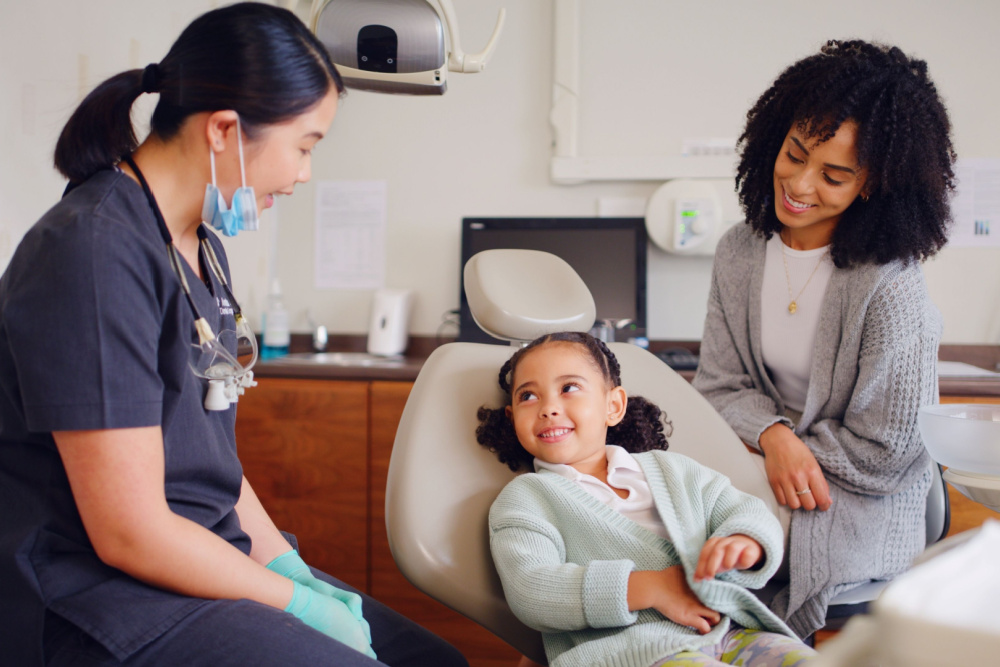
It’s important to note that not all children will need orthodontic treatment. However, an evaluation by an orthodontist can help parents determine whether their child is a good candidate for treatment.
Conclusion
Orthodontic treatment is not just about aesthetics; it can also significantly impact a child’s oral health, self-esteem, and overall well-being. If you’re considering orthodontic treatment for your child, schedule an appointment with an experienced orthodontist. At our practice, we are committed to helping children achieve healthy, beautiful smiles that they can be proud of. So contact us today to schedule a consultation and take the first step toward a lifetime of healthy teeth and gums. Your child’s smile is worth the investment!