

In preventative dentistry, dental sealants stand out as a significant advancement. They serve as a protective shield over your teeth, particularly the molars and premolars, which are more prone to decay due to their structure and position in the mouth. This blog will look at the myriad benefits of dental sealants, highlighting why they are essential to dental care for children and adults.
Understanding the importance of dental sealants is crucial in maintaining optimal oral health. These simple yet effective treatments can distinguish between a lifetime of good oral health and the struggle with recurrent dental issues. Let’s explore the multifaceted benefits of dental sealants and understand why they should be a part of everyone’s oral health regimen.
What Are Dental Sealants?
Definition and composition
Dental sealants are a type of preventive dental treatment that involves the application of a thin, plastic coating to the chewing surfaces of the back teeth – the molars and premolars. These sealants quickly bond into the grooves and depressions of the teeth, forming a protective shield over the enamel of each tooth. Typically, sealants are made from a resin-based material, which is both durable and compatible with the natural structure of the teeth.
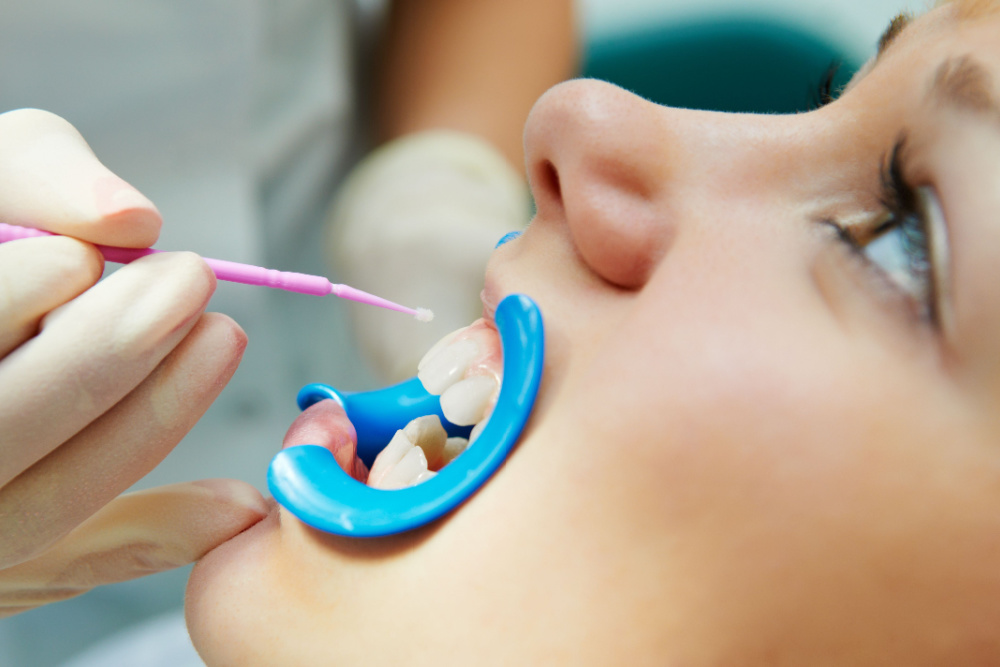
Applying dental sealants is a straightforward, painless process that requires no drilling or alteration of the tooth structure. The teeth are first thoroughly cleaned, then conditioned and dried. The sealant material is then painted onto the tooth enamel, where it bonds directly and hardens, often with the help of a special curing light. This simple procedure can provide long-term protection against cavities and decay.
Ideal candidates for dental sealants
While dental sealants are particularly beneficial for children and teenagers – as they are more prone to cavities – adults can also benefit from sealants. They are ideal for individuals with deep grooves or depressions in their molars, as these areas are more susceptible to plaque accumulation and decay. In children, sealants are often applied as soon as the permanent molars come in, providing protection during those critical years when good oral hygiene can be more challenging to maintain.
It’s important to note that sealants are a preventive measure and are not used to treat existing cavities or decay. They are most effective when applied to healthy teeth with no fillings or decay. Regular dental check-ups are essential to determine if sealants can be part of an individual’s dental care plan.
Prevention of Tooth Decay
Barrier against plaque and bacteria
One of the primary benefits of dental sealants is their role in preventing tooth decay. The sealants act as a physical barrier, protecting the enamel from plaque and bacteria. The grooves and depressions in the molars and premolars are prime targets for food particles and bacterial accumulation, which can lead to cavities over time. By sealing these grooves, dental sealants prevent these harmful substances from settling on the teeth, reducing the risk of decay.
Moreover, the sealant material is designed to withstand the forces of chewing, providing long-lasting protection. This is particularly important for the back teeth, which endure the bulk of the work in grinding food. The durable nature of sealants means they can continue to protect the teeth for many years before a reapplication is necessary.
Long-term oral health benefits
The long-term benefits of dental sealants are significant. By preventing tooth decay in the molars and premolars, sealants help maintain the integrity of the natural tooth structure. This is crucial for overall oral health, as it reduces the likelihood of needing more invasive dental procedures like fillings, crowns, or root canals in the future. Furthermore, maintaining healthy natural teeth is beneficial for proper chewing and digestion, which are essential for overall health.
Sealants also play a role in preventing the development of secondary issues related to tooth decay, such as gum disease or tooth loss. Keeping teeth healthy helps ensure that the surrounding gum tissue remains healthy. This holistic approach to dental care underscores the importance of preventive measures like sealants in maintaining oral health and overall health and well-being.
Cost-Effectiveness and Accessibility
Affordability of treatment
From a financial perspective, dental sealants are a cost-effective investment in oral health. The cost of applying sealants is relatively low, especially when compared to the cost of treating dental issues that might arise in the absence of such preventive measures. By investing in sealants, you are saving money on future dental treatments that would be necessary to address decay and cavities.
Many dental insurance plans recognize the preventive value of sealants and cover their application, especially for children and teenagers. This makes sealants an accessible option for many families, reducing the financial burden of dental care. It’s always advisable to check with your insurance provider to understand the specifics of your coverage.
Ease and speed of application
The ease and speed of applying dental sealants make them a convenient option for patients of all ages. The entire process can be completed in one dental visit, with each tooth taking only a few minutes to treat. There’s no discomfort or pain involved, and the results are immediate. This convenience is particularly advantageous for children, who may have less patience for lengthy dental procedures.
Furthermore, the non-invasive nature of the sealant application means there are no recovery times or special aftercare instructions. Patients can eat and drink normally immediately after the procedure, making it a hassle-free option for busy families or individuals.
Maintenance and Longevity
Regular check-ups and care
While dental sealants are durable, regular dental check-ups are essential to ensure longevity and effectiveness. During these visits, your dentist can check the condition of the sealants, looking for any chips or wear. Though sealants can last for many years, they may eventually need to be reapplied. Regular dental visits ensure that any issues are identified and addressed promptly, maintaining the protective barrier against decay.
In addition to professional check-ups, good oral hygiene practices are essential in maintaining the integrity of dental sealants. This includes regular brushing and flossing and avoiding habits that could damage the sealants, such as chewing on hard objects or ice.
Impact on overall dental hygiene
The use of dental sealants can have a positive impact on overall dental hygiene, especially in children and teenagers. Knowing their teeth are protected, younger patients may feel more motivated to care for their oral health. Additionally, the presence of sealants can serve as a reminder of the importance of oral hygiene and regular dental visits.
It’s important to remember that while sealants are highly effective in preventing decay on the surfaces of the teeth they cover, they are not a substitute for regular brushing and flossing. Sealants are a supplemental form of protection, working in conjunction with other oral hygiene practices to maintain optimal dental health.
Conclusion
Dental sealants offer a simple, painless, and cost-effective way to protect your teeth against decay. Their application is quick and easy, making them a convenient option for people of all ages. Sealants play a crucial role in preventing cavities and maintaining overall oral health by forming a protective barrier over the grooves of your molars and premolars.
Are you in need of a family orthodontist in Garden Grove? If so, contact us today!