


Orthodontic emergencies can occur unexpectedly, and knowing how to handle them efficiently is crucial for anyone wearing braces or other orthodontic appliances. This article will help you understand what constitutes an orthodontic emergency, typical scenarios you might face, and practical steps to manage these situations effectively. By being prepared, you can minimize discomfort and prevent further complications, ensuring your treatment stays on track.
Identifying Orthodontic Emergencies
Orthodontic emergencies are situations that require immediate attention, either due to pain, injury, or malfunction of orthodontic appliances. Understanding what qualifies as an emergency can help you react swiftly and appropriately. Common emergencies include severe pain not alleviated by over-the-counter pain relievers, significant swelling, a broken appliance that causes trauma to the soft tissues of the mouth, or any incident that impacts breathing or swallowing. Early recognition of these signs can be pivotal in addressing the issue without delay.
In this section, we’ll delve deeper into common types of emergencies, such as:
- Broken brackets or wires that could potentially injure the cheeks, gums, or tongue
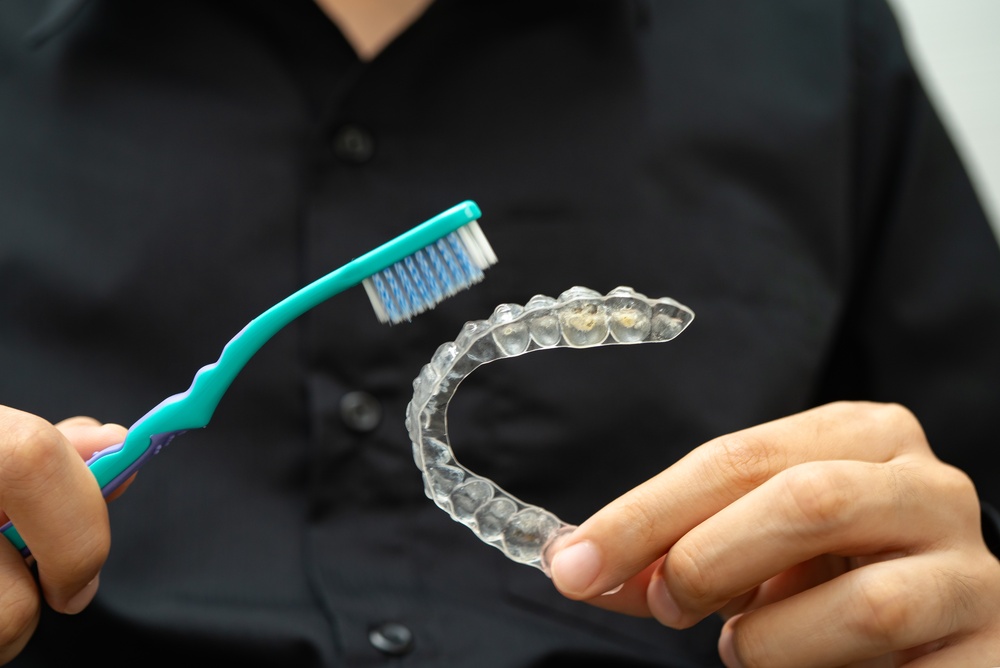
- Loss of a removable appliance like Invisalign trays
- Severe discomfort or pain after adjustments
- Any trauma to the mouth that affects your orthodontic appliances
First Response to Orthodontic Emergencies
When an orthodontic emergency strikes, knowing how to respond can make a significant difference in managing pain and preventing further damage. For broken wires or brackets, covering the sharp end with orthodontic wax can provide temporary relief until you can visit your orthodontist. If a part of your appliance breaks and is causing irritation, try to remove the irritating part and bring it with you to your appointment.
Here are a few general first-aid tips for handling orthodontic issues:
- Rinse your mouth with warm saltwater to clean the area and reduce swelling.
- Use cold compresses outside the cheek to ease pain and swelling.
- Take over-the-counter pain relievers, as recommended by your orthodontist, to manage discomfort.
- Keep any broken pieces of your appliance and bring them to your orthodontist for repair.
Preventing Orthodontic Emergencies
Prevention is always better than cure, especially when it comes to orthodontic emergencies. Maintaining good oral hygiene, being mindful of eating habits, and wearing protective gear during sports can drastically reduce the risk of emergencies. Regular check-ups with your orthodontist are essential, as they can adjust appliances and catch potential issues before they escalate into emergencies.
This section will also cover:
- How to care for your orthodontic appliances to prevent damage.
- Foods to avoid that could break or damage braces.
- The importance of wearing mouthguards during physical activities.
Handling Pain and Discomfort
Pain and discomfort are common in orthodontic treatment, but they usually subside within a few days of an adjustment. However, if the discomfort persists or becomes unbearable, it might indicate a more serious problem. Understanding how to manage these symptoms at home can help you cope better between orthodontist visits.
Effective strategies for managing pain include:
- Using orthodontic wax to cover protruding parts.
- Adjusting to a soft food diet to reduce the strain on your teeth and gums.
- Regular use of pain relief gels specifically designed for oral application, as recommended by your orthodontist.
Conclusion: Staying Prepared and Informed
Dealing with orthodontic emergencies can be daunting, but with the right knowledge and preparation, you can handle unexpected situations with confidence. Remember, a quick and effective response to emergencies not only helps alleviate immediate discomfort but also ensures that your orthodontic treatment goals are not derailed.
Are you looking for a family orthodontist in Garden Grove, CA? If so, reach out to us!