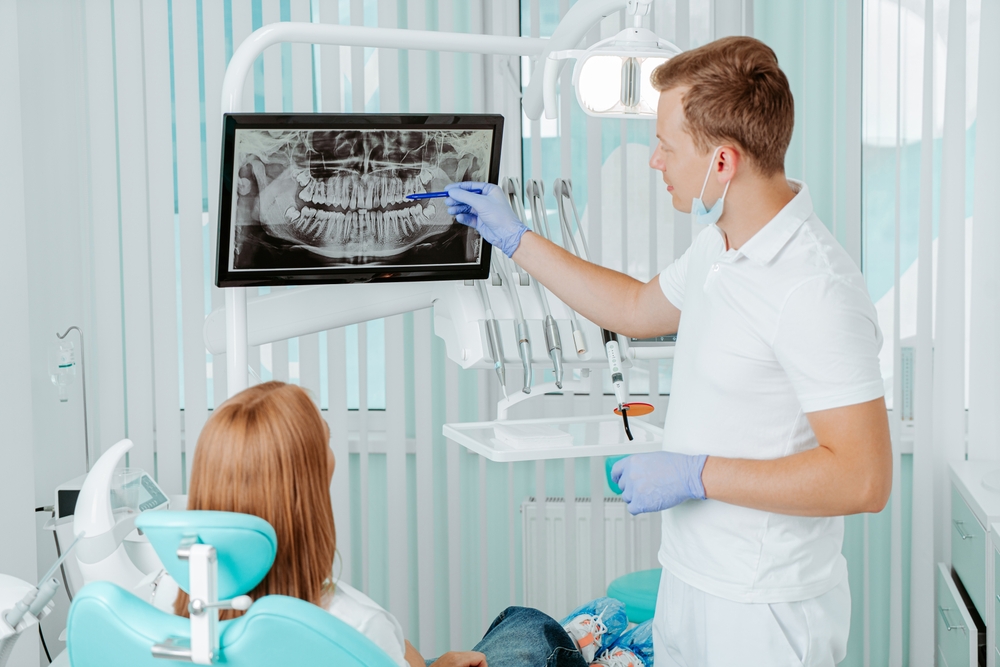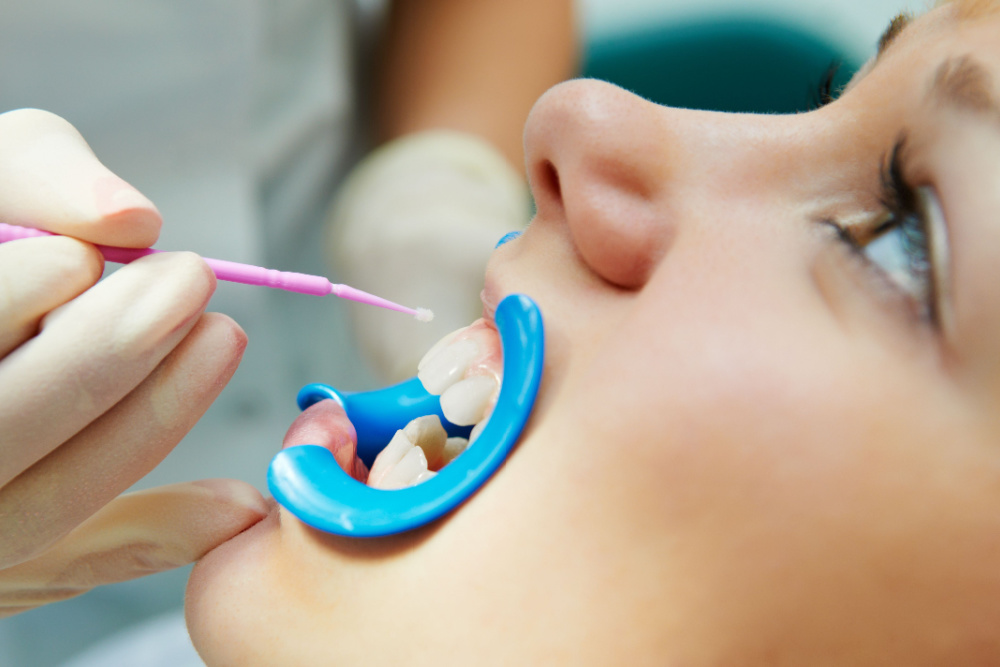


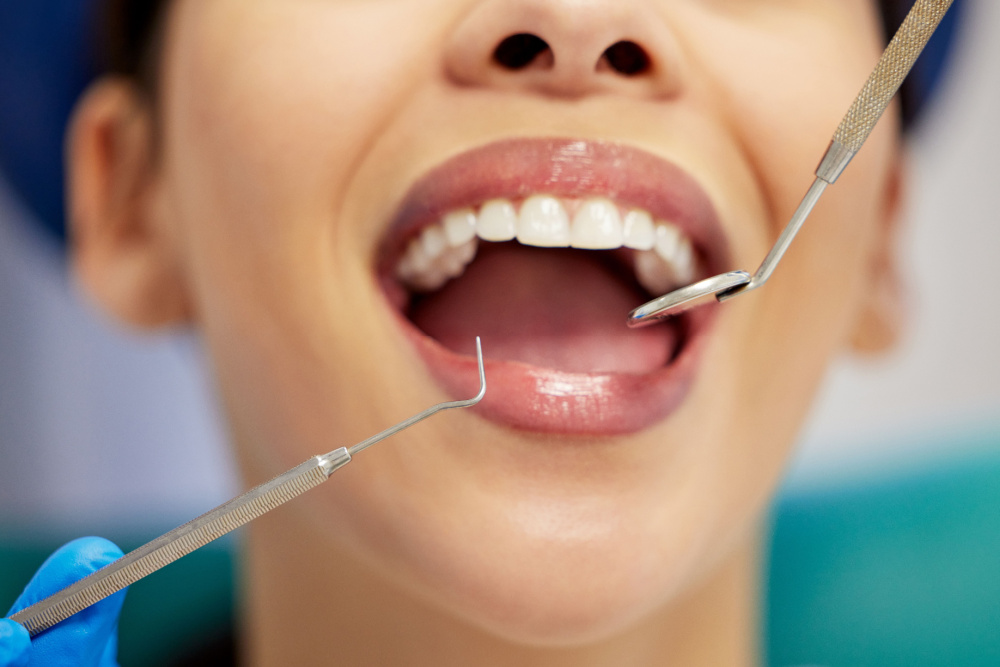
Maintaining a healthy smile requires more than just brushing and flossing at home; professional dental cleanings play a crucial role in your oral health journey. These cleanings, performed by dental hygienists, remove plaque, tartar, and stains that at-home care can’t handle. In this comprehensive guide, we’ll delve into the importance of regular dental cleanings, how they contribute to overall health, and why they’re essential for preventing dental issues in the long run.
The Science Behind Dental Cleanings
Dental cleanings involve a thorough process of removing plaque and tartar that build up over time, even with diligent brushing and flossing. Plaque is a sticky film of bacteria that forms on your teeth after eating or drinking, and if left unremoved, it hardens into tartar, which can only be removed by a dental professional. The cleaning process involves scaling (removing plaque and tartar), polishing the teeth to remove stains, and sometimes applying fluoride to strengthen the enamel.
Regular cleanings are essential because tartar buildup can lead to gum inflammation, known as gingivitis, which is the first stage of gum disease. This process not only keeps your teeth clean but also ensures that any early signs of dental issues are identified and treated promptly. Understanding the science behind dental cleanings highlights how they are an investment in your long-term oral health.
Preventing Gum Disease and Tooth Decay
One of the most significant benefits of regular dental cleanings is the prevention of gum disease and tooth decay. When plaque and tartar are allowed to accumulate, they irritate the gums, leading to gingivitis, which, if left untreated, can progress into periodontitis—a more severe form of gum disease that can result in tooth loss. Professional cleanings remove the bacteria and buildup that cause these conditions, helping to keep your gums healthy and teeth intact.
Additionally, dental cleanings help prevent cavities by removing plaque, which produces acids that erode tooth enamel. Even with good oral hygiene practices at home, it’s easy to miss hard-to-reach areas where plaque can accumulate. Regular visits to your dental hygienist ensure that these areas are cleaned, significantly reducing the risk of developing cavities and more serious dental problems.
Enhancing Overall Health
Oral health is closely linked to overall health, and regular dental cleanings can have a positive impact on your well-being. Research has shown that gum disease is associated with various systemic health issues, such as heart disease, diabetes, respiratory problems, and even complications during pregnancy. By maintaining healthy gums through regular cleanings, you reduce the inflammation that could contribute to these health problems.
In addition to preventing systemic diseases, dental cleanings can also boost your immune system. A mouth free of infection and inflammation is less taxing on your body, allowing your immune system to function more effectively. Therefore, investing in your oral health is an investment in your overall health, underscoring the importance of routine dental cleanings.
Brightening Your Smile and Boosting Confidence
Beyond the health benefits, regular dental cleanings also have aesthetic advantages. Professional cleanings remove surface stains caused by foods, beverages, and tobacco, leaving your teeth looking brighter and more polished. This not only enhances your smile but also boosts your confidence, as you feel more comfortable showing off your teeth.
A brighter smile can have a positive impact on your self-esteem and how others perceive you, making regular dental cleanings an essential part of maintaining both your oral health and your appearance. By removing stains and plaque, dental cleanings can give you a fresher, more radiant smile, making you feel more confident in social and professional settings.
Early Detection of Oral Health Issues
One of the often-overlooked benefits of regular dental cleanings is the opportunity for early detection of oral health issues. During your cleaning appointment, your dentist or hygienist will examine your mouth for signs of problems like cavities, gum disease, oral cancer, and other conditions. Detecting these issues early on can save you time, money, and discomfort by allowing for less invasive treatments.
For example, catching a cavity in its early stages means it can be treated with a simple filling, while a cavity left untreated may require a more extensive procedure like a root canal. Regular dental cleanings act as a preventive measure, helping to catch and address dental problems before they become more severe and costly to treat.
Maintaining Fresh Breath
Persistent bad breath, also known as halitosis, can be a sign of underlying dental issues such as gum disease, cavities, or poor oral hygiene. Regular dental cleanings help to remove food particles, bacteria, and plaque that contribute to bad breath, leaving your mouth feeling fresher. Your dental hygienist will also offer advice on how to maintain fresh breath between cleanings, including tips on proper brushing, flossing, and dietary choices.
Consistently maintaining fresh breath is not only important for your health but also plays a role in your confidence and how you interact with others. By making dental cleanings a regular part of your oral hygiene routine, you can ensure that your breath stays fresh and pleasant, enhancing your overall quality of life.
The Role of Dental Cleanings in Orthodontic Treatment
For individuals undergoing orthodontic treatment, such as braces or clear aligners, dental cleanings are even more crucial. Orthodontic appliances can make it difficult to clean specific areas of the mouth, leading to an increased risk of plaque buildup and tooth decay. Regular dental cleanings help to remove debris from hard-to-reach spots, ensuring that your teeth remain healthy throughout your treatment.
Additionally, dental cleanings during orthodontic treatment help prevent white spots from forming around brackets, which can occur when plaque is not properly removed. These cleanings also allow your orthodontist to monitor your progress and address any issues that may arise, contributing to the overall success of your treatment plan.
How Often Should You Get a Dental Cleaning?
The frequency of dental cleanings depends on your individual oral health needs. For most people, a cleaning every six months is sufficient to maintain healthy teeth and gums. However, individuals with a history of gum disease, those undergoing orthodontic treatment, or those with certain medical conditions may require more frequent cleanings, such as every three to four months.
Your dentist will recommend a cleaning schedule based on your oral health status, lifestyle, and risk factors. By following this personalized plan, you can ensure that your teeth and gums remain in optimal condition, reducing the likelihood of future dental issues.
Conclusion: Prioritizing Your Dental Health
Dental cleanings are a fundamental aspect of maintaining a healthy smile and preventing a range of oral health issues. From removing plaque and tartar to detecting problems early and boosting your overall health, these appointments are an essential investment in your well-being. By committing to regular cleanings, you can enjoy a brighter smile, fresher breath, and improved oral and systemic health.
Are you looking for an orthodontist in Garden Grove? Contact us today!