

The journey to a perfect smile often begins with selecting the appropriate orthodontic treatment. With the advances in dental technology, individuals today have multiple options, each offering unique benefits. Whether you’re considering traditional braces, clear aligners, or other innovative orthodontic solutions, understanding the nuances of each treatment can significantly impact your decision-making process. This article will guide you through various orthodontic treatments, helping you to determine which option best suits your dental needs, lifestyle, and budget.
Understanding Orthodontic Treatment Options
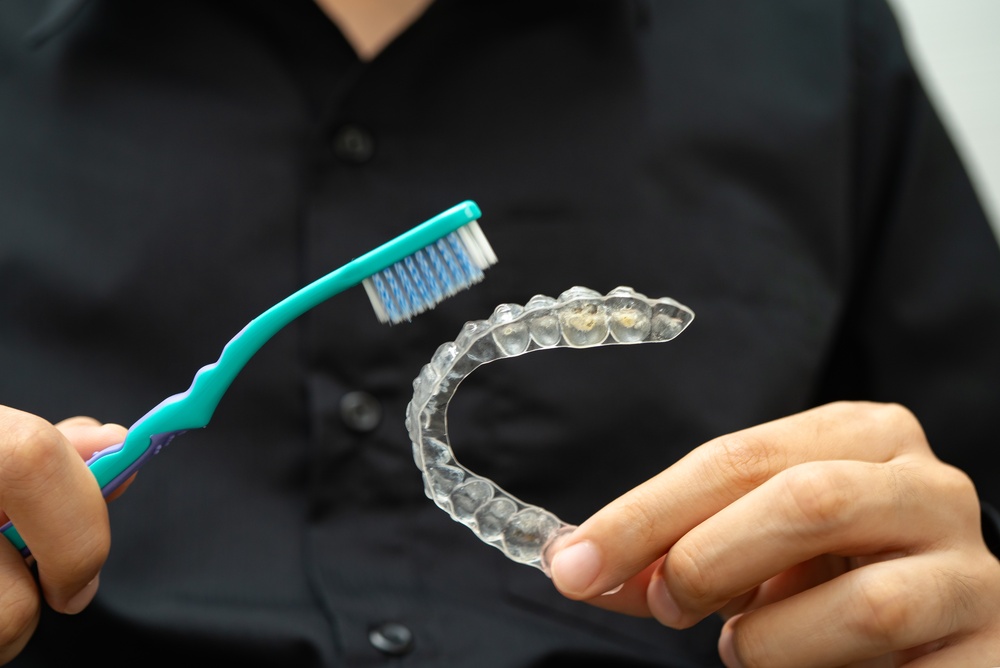
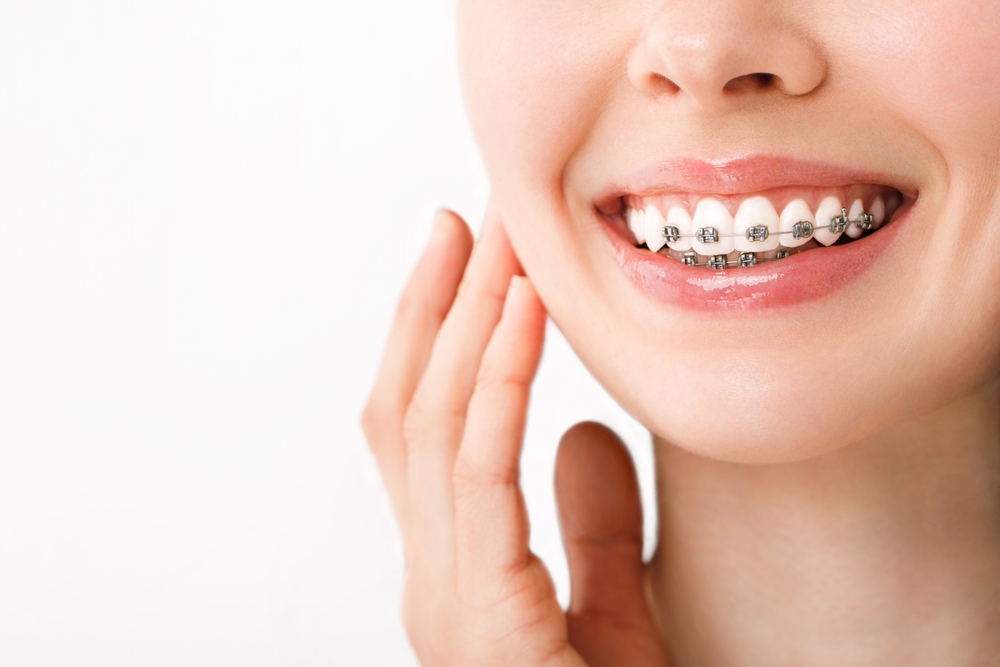
Orthodontic treatments vary widely, but the most common include traditional metal braces, ceramic braces, lingual braces, and clear aligners like Invisalign. Metal braces are known for their effectiveness in treating complex dental issues and are typically the least expensive option. Ceramic braces offer a less noticeable alternative, using brackets that blend in more closely with the natural color of the teeth. Lingual braces are attached to the back side of the teeth, making them invisible from the front. Clear aligners are removable and nearly invisible, offering an aesthetic and convenient solution for patients concerned about the appearance of braces.
Each of these options comes with specific considerations. Metal braces, while cost-effective, are the most visible and may require more maintenance. Ceramic braces are subtler but can require more attention to avoid staining. Lingual braces, although hidden, can be more uncomfortable and difficult to clean. Clear aligners need to be worn diligently except when eating or drinking anything other than water, and they may not be suitable for correcting severe misalignments.
Evaluating Your Orthodontic Needs
Choosing the right orthodontic treatment starts with a thorough evaluation of your dental alignment needs. It’s important to consult with an orthodontist who can assess the complexity of your case and recommend the best treatment plan. Factors to consider are the severity of tooth misalignment, bite issues, jaw alignment problems, and the overall health of your teeth and gums. For instance, patients with complex bite problems or severe crowding might benefit more from traditional braces, while those with minor alignment issues might find clear aligners perfectly adequate.
Additionally, your oral health history plays a crucial role. If you have had extensive dental work, such as crowns or bridges, certain options like clear aligners may not be advisable. Similarly, if you have previously experienced gum disease or tooth decay, your orthodontist might recommend a treatment that facilitates easier dental hygiene.
Considering Lifestyle and Aesthetics
When choosing an orthodontic treatment, consider how it will fit into your lifestyle. If you are an adult professional or a teenager involved in sports or performing arts, you might prefer a less noticeable solution such as clear aligners or lingual braces. These options can provide the necessary treatment without drawing attention to your orthodontic work.
Additionally, think about your ability to maintain your oral hygiene and manage routine visits to the orthodontist. Some treatments require more frequent adjustments, which can mean more time out of your schedule. Clear aligners, while convenient, require strict discipline to wear the aligners for the recommended 22 hours per day. Failure to follow these guidelines can extend the treatment time or compromise the results.
Long-Term Considerations and Costs
Orthodontic treatment is an investment in your oral health and overall well-being. Understanding the long-term implications and costs associated with each option is crucial. While traditional braces might be less expensive upfront, consider the potential for additional dental cleanings, potential emergency visits due to breakages, and the longer duration of treatment.
Conversely, treatments like clear aligners, while potentially more costly, offer benefits such as reduced treatment times and fewer office visits, which might save money in the long run. It’s important to discuss payment plans and insurance coverage with your orthodontist to make an informed financial decision that aligns with your budget and dental health goals.
Conclusion: Making an Informed Choice
Choosing the right orthodontic treatment involves careful consideration of your dental needs, lifestyle preferences, aesthetic desires, and budget. By thoroughly evaluating each option and consulting with a qualified orthodontist, you can make an informed decision that leads to a successful treatment outcome. Remember, the goal of orthodontic treatment is not just a straighter smile but also improved dental health and enhanced self-confidence.
If you’re ready to take the next step towards a beautiful, healthy smile, contact Viva Smiles today. Our experienced team is dedicated to providing personalized orthodontic solutions tailored to meet your unique needs. Schedule your consultation to explore your options and begin your journey to a perfect smile. Let us help you achieve the smile you’ve always dreamed of!