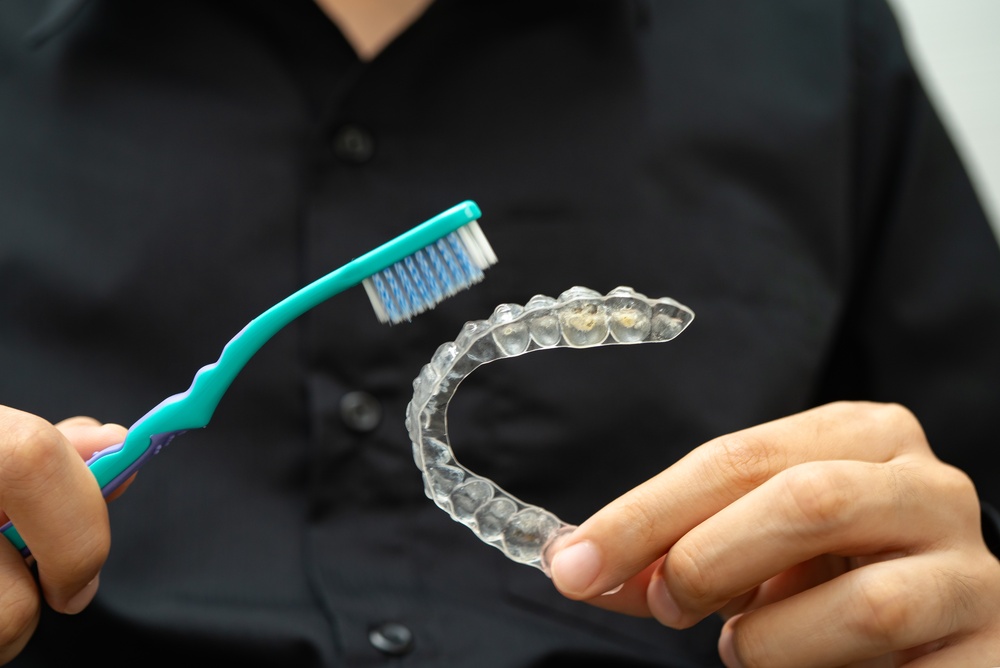


Maintaining excellent dental hygiene is crucial, especially when you are undergoing orthodontic treatment. Braces, aligners, and other appliances can trap food particles and create challenging areas to clean, which can lead to plaque buildup, tooth decay, and gum disease. This article provides comprehensive guidance on how to keep your teeth healthy and clean while sporting orthodontic appliances, ensuring that once your braces come off, you reveal not just straight teeth but a radiant, healthy smile as well.
Understanding the Challenges
Orthodontic appliances complicate oral hygiene routines because they add nooks and crannies that can trap food and plaque. This is particularly true with traditional metal and ceramic braces, where brackets and wires create additional surfaces on your teeth. These areas are difficult to clean effectively with standard brushing and flossing techniques, which increases the risk of dental problems. Those wearing clear aligners, while generally easier to maintain, still require diligent care to prevent issues such as cavities and gum inflammation, as the aligners can hold harmful agents against the teeth if not cleaned properly.
It’s not just about brushing and flossing; it’s about adjusting these practices to accommodate and effectively clean around braces and aligners. For instance, food particles can become wedged beneath wires and around brackets, and if not removed promptly, can lead to decay and staining of teeth. Understanding these challenges is the first step in combating them.
Effective Brushing Techniques
When you have orthodontic appliances, brushing twice a day isn’t enough—you need to brush the right way. Use a soft-bristled toothbrush or an electric toothbrush with an orthodontic head designed to clean around wires and brackets. Begin by rinsing your mouth to dislodge any loose food particles. When brushing, each tooth should be cleaned individually, angling the bristles to reach under the gums and the tops and bottoms of the brackets. This technique ensures that all plaque and debris are removed, not just from the surface of the teeth but also from under the orthodontic brackets and along the gum line.
Spend at least two minutes during each brushing session, focusing on all surfaces of each tooth. It’s beneficial to use fluoride toothpaste to help protect the teeth against decay. For areas that are particularly hard to reach, consider using an interdental brush, which can reach spaces that a regular toothbrush can’t.
Flossing with Braces
Flossing with braces is challenging but critical. Traditional flossing techniques usually aren’t effective with braces, as the floss needs to work around the wires and brackets. Using a floss threader or orthodontic flossers can make this process easier. These tools help you thread the floss behind each wire, allowing you to reach the gum line and the space between your teeth.
You should floss at least once a day, ideally before bedtime, to remove food particles and plaque that have accumulated throughout the day. Be gentle to avoid damaging the wires and brackets, and take your time to floss thoroughly. Consistent flossing not only helps maintain the health of your teeth and gums but also reduces the chances of staining around brackets.
Diet and Oral Hygiene
What you eat plays a significant role in maintaining oral hygiene during orthodontic treatment. Avoid sticky and hard foods that can damage orthodontic appliances or become trapped in them. Foods high in sugar and starch can also contribute to plaque buildup and should be consumed minimally. Instead, focus on a balanced diet rich in fruits, vegetables, and whole grains, which support oral health.
Drinking plenty of water throughout the day helps wash away food particles and sugars from the teeth and gums, reducing the risk of decay. It’s also advisable to limit the intake of sugary drinks, such as sodas and fruit juices, which can increase the risk of tooth decay.
Regular Check-Ups and Cleaning
While maintaining an effective home care routine, regular visits to the orthodontist and dentist are essential. These professionals can monitor the progress of your treatment, make necessary adjustments to your orthodontic appliances, and provide professional cleanings that remove plaque and tartar buildup more effectively than home brushing and flossing.
Typically, orthodontic patients should see their dentist every six months, but depending on the specifics of their treatment and their oral hygiene status, their dentist or orthodontist may recommend more frequent visits.
Conclusion: A Commitment to Oral Health
Maintaining dental hygiene during orthodontic treatment requires diligence, the right tools, and the correct techniques. By understanding the challenges and committing to a comprehensive hygiene routine, you can ensure your teeth remain healthy throughout your orthodontic journey. Remember, the goal of orthodontic treatment is not just to straighten your teeth but to improve your overall oral health.
At Viva Smiles, we are dedicated to guiding our patients through their orthodontic treatment with personalized care and support. If you’re ready to start your journey to a straighter, healthier smile, or if you need help maintaining your oral hygiene while undergoing treatment, contact us today to schedule an appointment. Let us help you achieve the beautiful, healthy smile you deserve!