


Adolescence is a critical period for establishing lifelong oral hygiene habits. Teens face unique dental challenges, including orthodontic treatments, dietary influences, and changing responsibilities. Establishing good oral health routines during teenage years can set the foundation for a lifetime of healthy teeth and gums. In this article, we’ll discuss practical tips designed specifically for teens to maintain excellent oral health, prevent common dental issues, and navigate the journey to a healthy, confident smile.
Establishing Proper Oral Hygiene Routines
Developing consistent daily habits is the cornerstone of maintaining good oral health. Teens should brush their teeth at least twice a day, preferably after breakfast and before bed. Brushing should last around two minutes, using fluoride toothpaste to strengthen enamel and protect against tooth decay. Teens must understand that simply brushing quickly or irregularly won’t effectively remove harmful bacteria or plaque, potentially leading to cavities and gum disease. It’s beneficial to use an electric toothbrush, as these devices often have timers and pressure sensors, making proper brushing techniques easier to achieve.
In addition to brushing, daily flossing is essential. Flossing removes plaque and food particles that toothbrushes can’t reach, especially between teeth and around the gum line. Teens wearing braces may find flossing challenging but should use floss threaders or specialized orthodontic flossers. Regular use of antibacterial mouthwash can further enhance oral hygiene, reduce plaque formation, and keep your breath fresh throughout the day. Parents can support teens by reminding them of these habits until they become second nature.
Another helpful tip is the regular replacement of toothbrushes or toothbrush heads every three months or sooner if bristles become frayed. Old toothbrushes lose effectiveness, leaving plaque behind and increasing the risk of dental issues. Teens should also be reminded never to share toothbrushes, as this can spread bacteria and viruses.
Healthy Diet Choices and Their Impact on Oral Health
Diet plays a significant role in oral health, and teens’ dietary habits can significantly influence their dental health outcomes. Consuming excessive sugar and acidic foods like soda, candy, and energy drinks increases the risk of tooth decay and enamel erosion. Teens should be encouraged to limit sugary and acidic food and drink intake. If they consume these items, they should do so during meals rather than between meals, minimizing the duration of sugar exposure to teeth.
Encouraging teens to opt for healthier snacks can substantially benefit their oral health. Foods such as fruits, vegetables, cheese, and nuts promote healthy teeth and gums by providing essential vitamins and minerals. Drinking water, especially fluoridated water, helps rinse food particles away, reduces acidity in the mouth, and strengthens teeth. Educating teens on reading nutrition labels can also help them make informed choices about reducing hidden sugars in snacks and beverages.
Additionally, teens involved in sports and extracurricular activities may consume sports drinks frequently. It’s crucial to understand these beverages are often high in sugar and acid, posing a significant risk to dental health. Encourage hydration through water or low-sugar electrolyte beverages as healthier alternatives.
Special Oral Health Considerations for Orthodontic Treatment
Many teens undergo orthodontic treatments, including braces or clear aligners, making oral hygiene even more critical. Orthodontic appliances can trap food particles and plaque, increasing the risk of cavities, gum inflammation, and white spot lesions on enamel. Teens wearing braces need to brush carefully around brackets and wires, using specialized orthodontic brushes or interdental brushes to clean difficult-to-reach areas. Despite being challenging, regular flossing is essential to maintaining healthy gums during orthodontic treatment.
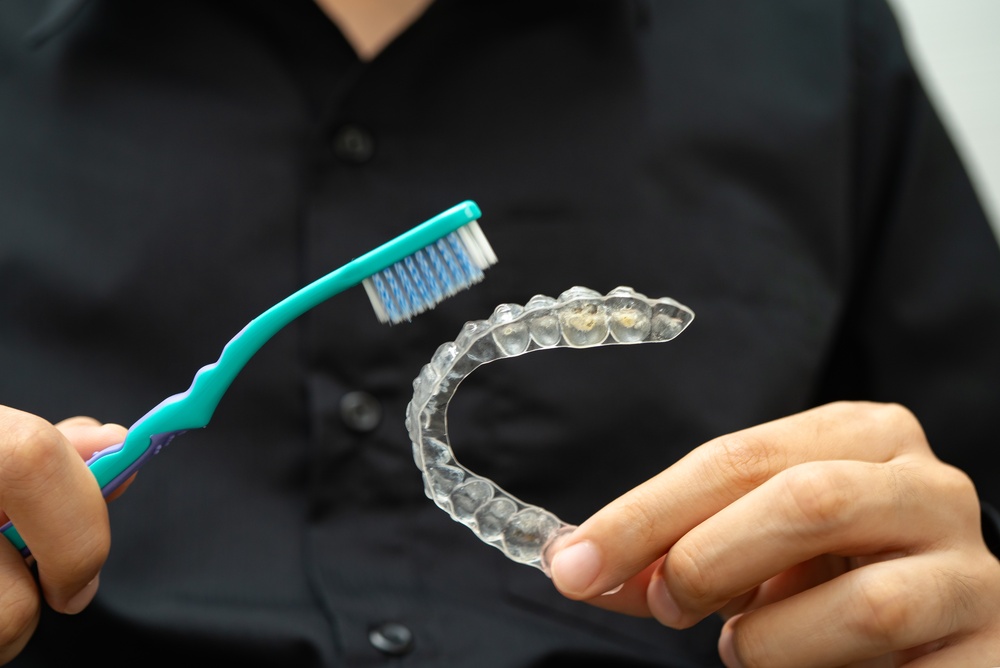
Clear aligner wearers also have hygiene responsibilities. Teens must thoroughly clean aligners daily to prevent bacterial buildup. Clear aligners should be removed when eating and promptly cleaned before being reinserted. Teens must avoid eating or drinking anything other than water with aligners in place to prevent discoloration, damage, or increased risk of decay.
Orthodontic treatment also requires regular dental checkups and cleanings to prevent dental issues from going unnoticed. These visits ensure proper monitoring of dental health and help detect early signs of tooth decay or gum problems before they become serious. Encourage teens to maintain regular dental visits throughout orthodontic treatment for optimal results and a healthy smile.
Preventing Common Dental Problems
Preventive measures are particularly important during the teen years, a time when many common dental issues such as cavities, gum disease, and wisdom teeth problems emerge. Regular dental check-ups, typically every six months, can catch issues early, preventing small problems from turning into larger, more expensive treatments. During these visits, dentists can apply professional fluoride treatments or dental sealants to protect teeth from decay further.
Teens should be educated on signs of dental problems, including sensitivity, toothache, bleeding gums, persistent bad breath, or swelling. Early detection of symptoms allows prompt treatment, preventing further complications. Teens involved in sports should wear protective mouthguards to minimize injury risks, including chipped or broken teeth. Custom-made mouthguards provided by dentists offer the highest level of comfort and protection.
Wisdom teeth commonly erupt during the late teen years, often causing pain, overcrowding, or infection. Regular dental visits ensure these issues are identified early. Dentists can monitor wisdom tooth development through X-rays, providing timely interventions such as extraction if necessary. Awareness and prompt attention to wisdom tooth discomfort can prevent severe pain and oral health issues.
Conclusion
Teens who maintain excellent oral hygiene habits set themselves up for a lifetime of healthy smiles. Proper brushing, flossing, dietary choices, and regular dental visits form the foundation of effective oral health practices. Adolescents should be empowered with knowledge and tools to maintain their dental health, even during orthodontic treatment. Establishing these habits early not only prevents dental problems but contributes significantly to overall physical and emotional well-being, building self-confidence through a beautiful, healthy smile.
At Viva Smiles, our orthodontic specialists understand the unique oral health needs of teenagers. Whether you’re looking to maintain excellent oral health or address specific orthodontic concerns, our team is here to guide you every step of the way. Schedule an appointment today and start your journey to a healthier, brighter smile. Let Viva Smiles provide personalized care to help your teen achieve optimal oral health now and in the future.
FAQ Section
- How often should teens visit the dentist for check-ups?
Teens should visit the dentist at least every six months for regular check-ups and professional cleanings. More frequent visits may be recommended if the teen has specific dental concerns or is undergoing orthodontic treatment. - What type of toothbrush is best for teens with braces?
An orthodontic-specific toothbrush or an electric toothbrush with an orthodontic head is highly recommended for teens with braces. These toothbrushes have specially designed bristles to clean around brackets and wires effectively. - Can diet really affect a teen’s oral health significantly?
Yes, diet plays a crucial role in oral health. High-sugar and acidic foods can cause cavities and enamel erosion. Teens should opt for healthier snacks and drinks to maintain good oral hygiene and overall dental health.