

Starting orthodontic treatment is an exciting step toward achieving a healthier, more confident smile. Whether braces or clear aligners are recommended, preparing properly can make the experience smoother and more comfortable for both patients and families. Understanding what to expect ahead of time helps reduce anxiety and ensures you are ready for the changes that orthodontic care may bring.
At Viva Smiles, informed patients have the best orthodontic experiences. In this guide, we’ll walk you through preparing for orthodontic treatment, from the initial consultation to adjusting your daily routine once treatment begins.
Understanding the Orthodontic Consultation
The first step in preparing for orthodontic treatment is attending an orthodontic consultation. During this visit, your orthodontist evaluates your teeth, jaw alignment, and bite to determine the best treatment plan.
What Happens During the First Visit
- A detailed examination of the teeth and jaw
- Digital X-rays or 3D scans
- Photos or impressions of the teeth
- A discussion of treatment options and timeline
This consultation allows patients and parents to ask questions and gain a clear understanding of the recommended treatment.
Discussing Treatment Options
Your orthodontist may recommend different approaches depending on your needs. These can include traditional braces, ceramic braces, or clear aligners. Understanding these options is an important part of preparing for orthodontic treatment.
Preparing Your Oral Health Before Treatment
Before starting orthodontic treatment, your dentist or orthodontist may recommend addressing any existing dental issues.
Schedule a Professional Cleaning
A professional dental cleaning helps remove plaque and tartar, so that your treatment can begin with a healthy foundation.
Treat Cavities or Gum Problems
Any untreated cavities or gum issues should be resolved before braces or aligners are placed. Healthy teeth and gums are essential for successful orthodontic treatment.
Practice Excellent Oral Hygiene
Learning proper brushing and flossing techniques beforehand makes it easier to maintain good hygiene once braces are in place.
Understanding What to Expect with Braces or Aligners
One of the most helpful parts of preparing for orthodontic treatment is knowing what daily life will be like during the process.
Adjusting to Braces
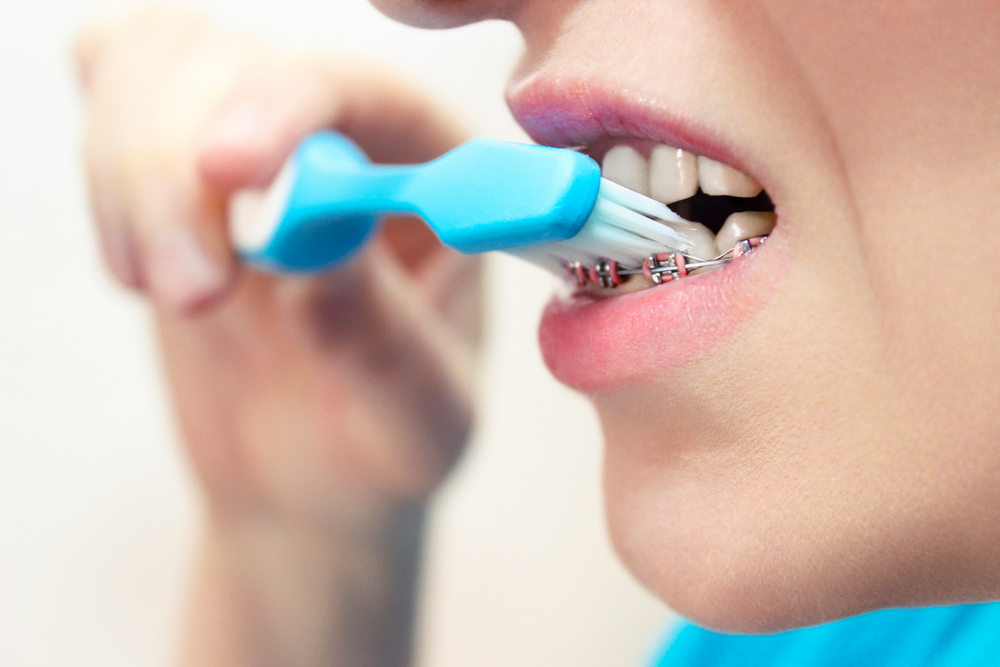
Braces consist of brackets and wires that gradually move teeth into proper alignment. It may take a few days to adjust to wearing braces, but most patients adapt quickly.
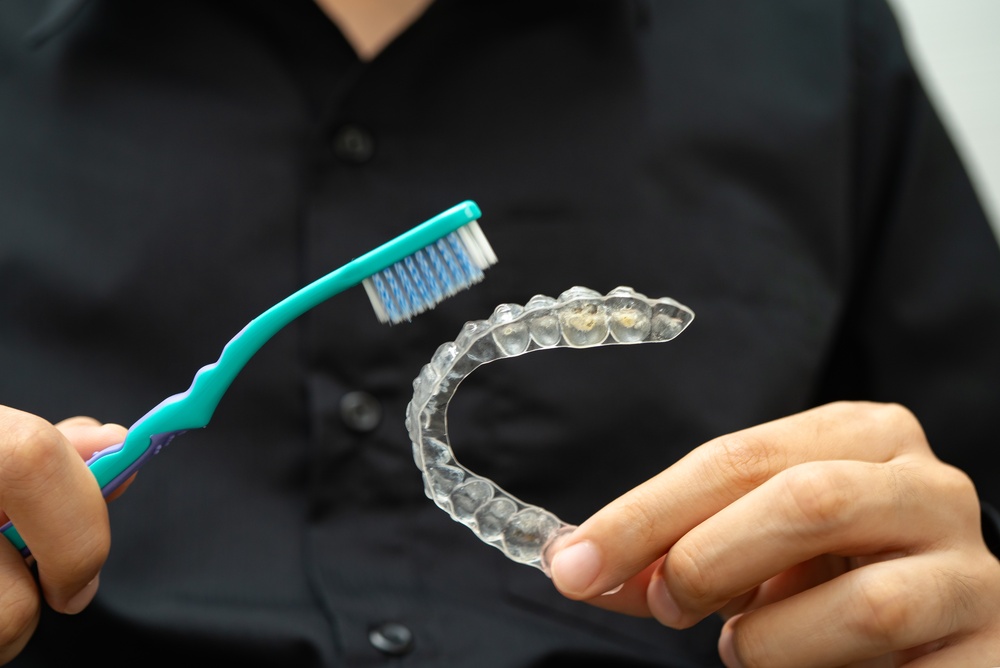
Living with Clear Aligners
Aligners must be worn for the majority of the day and removed only when eating or brushing teeth. Being disciplined with aligner wear is essential for successful treatment.
Understanding these lifestyle changes helps patients feel confident as they begin their orthodontic journey.
Stocking Up on Orthodontic Essentials
Another key step in preparing for orthodontic treatment is gathering supplies that make daily care easier.
Orthodontic Wax
Wax helps protect the inside of the mouth from irritation caused by brackets or wires.
Interdental Brushes or Water Flossers
These tools help clean around braces and wires more effectively.
Soft Toothbrush and Fluoride Toothpaste
A soft-bristled toothbrush helps prevent damage to brackets while keeping teeth clean.
Travel Dental Kit
Keeping a small toothbrush, floss, and orthodontic wax in your bag ensures you can care for your teeth anywhere.
Adjusting Your Diet
Dietary changes are another important part of preparing for orthodontic treatment.
Foods to Avoid with Braces
Certain foods can damage braces or cause wires to bend. These include:
- Hard candies
- Popcorn
- Sticky caramel
- Chewing gum
Braces-Friendly Foods
Soft foods are often easier to eat during the first few days after adjustments. Good options include:
- Yogurt
- Pasta
- Scrambled eggs
- Smoothies
Preparing your kitchen with braces-friendly foods makes the transition much easier.
Preparing for Mild Discomfort
It’s normal to experience mild soreness after braces are placed or adjusted. This is a natural part of how teeth move during orthodontic treatment.
Tips for Managing Discomfort
- Use orthodontic wax to reduce irritation
- Eat soft foods during adjustment periods
- Use over-the-counter pain relievers if recommended
Most discomfort fades within a few days as the mouth adapts.
Creating Good Orthodontic Habits
Developing strong daily habits is an important part of preparing for orthodontic treatment and maintaining progress.
Brush After Every Meal
Food particles can easily become trapped in braces, so brushing after meals helps maintain good oral hygiene.
Wear Elastics as Directed
If your orthodontist provides elastics or rubber bands, wearing them consistently helps keep treatment on track.
Attend Regular Appointments
Routine visits allow your orthodontist to adjust appliances and monitor progress.
Developing these habits early ensures smoother treatment and better results.
Helping Children Prepare for Orthodontic Treatment
For parents, preparing for orthodontic treatment involves helping children feel comfortable and confident about the process.
Explain the Benefits
Children are often more cooperative when they understand that braces help create a healthy and beautiful smile.
Encourage Responsibility
Teaching kids how to brush, floss, and care for their braces empowers them to take ownership of their dental health.
Celebrate Milestones
Orthodontic treatment takes time, so celebrating progress along the way helps keep kids motivated.
The Importance of Patience During Treatment
Orthodontic treatment is a gradual process. Teeth move slowly and carefully to protect the surrounding bone and tissue.
Being patient and following instructions closely are essential parts of preparing for orthodontic treatment. Consistency leads to the best long-term results.
Final Thoughts on Preparing for Orthodontic Treatment
Learning how to prepare for orthodontic treatment helps patients feel confident and ready for the journey ahead. By maintaining good oral health, adjusting daily habits, and understanding what to expect, you can make orthodontic treatment a positive and successful experience.
At Viva Smiles, our team is dedicated to guiding patients every step of the way—from the first consultation to the final reveal of your new smile. If you’re considering braces or aligners, we’re here to help you prepare with confidence.
Call us today at (714) 530-8482 or visit our website to schedule your orthodontic consultation.
Frequently Asked Questions
- How long does orthodontic treatment usually last?
Most orthodontic treatments last between 12 and 24 months, depending on the complexity of the case. - Is orthodontic treatment painful?
Most patients experience mild soreness after adjustments, but the discomfort is temporary and manageable. - Can adults get orthodontic treatment too?
Yes. Orthodontic treatment is effective for patients of all ages, and many adults choose braces or aligners to improve their smiles.