


Snoring is often thought of as nothing more than an annoying nighttime habit, but in some cases, it can be a sign of underlying issues involving the teeth, jaw, or airway. While many people associate orthodontic treatment with straighter teeth and a more attractive smile, orthodontics can also play an important role in improving breathing and addressing certain causes of snoring.
At Viva Smiles, we believe in taking a comprehensive approach to oral health. The connection between orthodontic treatment and snoring is something many patients and parents are surprised to learn about. In this article, we’ll explore how orthodontic treatment can affect breathing, when orthodontic care may help reduce snoring, and what treatment options may be available.
Understanding Why Snoring Happens
What Causes Snoring?
Snoring occurs when airflow is partially blocked while sleeping. As air moves through a narrowed airway, it causes soft tissues in the throat to vibrate, creating the sound we recognize as snoring.
Several factors can contribute to snoring, including:
- Nasal congestion
- Allergies
- Excess weight
- Sleep position
- Enlarged tonsils or adenoids
- Jaw and dental alignment issues
While some causes of snoring are unrelated to orthodontics, certain structural issues involving the mouth and jaw can contribute to airway restriction.
When Snoring Becomes a Concern
Occasional snoring is common. However, frequent or loud snoring may indicate a more significant issue, particularly if it is accompanied by:
- Daytime fatigue
- Difficulty concentrating
- Restless sleep
- Pauses in breathing during sleep
These symptoms may warrant evaluation by a healthcare professional.
The Connection Between Orthodontic Treatment and Snoring
How Jaw Alignment Affects Airflow
The position of the jaw can significantly influence the size of the airway. When the upper or lower jaw is misaligned, the airway may narrow, making it more difficult to breathe freely during sleep.
Certain orthodontic conditions associated with snoring include:
- Narrow dental arches
- Retruded lower jaws
- Severe overbites
- Crossbites
- Crowded teeth
By correcting these issues, orthodontic treatment may help create more space for airflow.
Airway-Focused Orthodontics
Modern orthodontics increasingly considers airway health as part of treatment planning. During evaluations, orthodontists may assess how jaw development and tooth positioning affect breathing patterns.
This growing focus highlights the relationship between orthodontic treatment and snoring, particularly in children and adolescents.
Orthodontic Treatment and Snoring in Children
Recognizing Warning Signs
Children who snore regularly should not automatically be dismissed as “loud sleepers.” Persistent snoring may indicate airway obstruction or developmental issues.
Signs that may suggest a problem include:
- Mouth breathing
- Restless sleep
- Difficulty focusing in school
- Frequent waking during the night
- Dark circles under the eyes
- Behavioral challenges
Early Orthodontic Intervention
In some children, orthodontic treatment can help improve airway function by guiding jaw growth and expanding narrow arches.
Common early orthodontic treatments may include:
- Palatal expanders
- Space maintainers
- Growth modification appliances
These treatments can create additional room for both teeth and airflow.
Because children are still growing, early intervention often provides the greatest opportunity for positive changes.
Can Braces Help Reduce Snoring?
Indirect Benefits of Braces
Traditional braces are primarily designed to straighten teeth and improve bite alignment. While braces themselves are not considered a treatment for snoring, they may help improve airway function by correcting certain structural issues.
For example:
- Correcting severe crowding may improve tongue positioning.
- Improving bite relationships can influence jaw posture.
- Creating better dental alignment may support healthier oral function overall.
The impact varies from patient to patient, but the relationship between orthodontic treatment and snoring continues to be studied as researchers learn more about airway development.
How Palatal Expansion May Help
What Is Palatal Expansion?
Palatal expansion is a treatment used to widen the upper jaw. It is commonly recommended for children whose upper jaws are too narrow.
A narrow upper jaw can contribute to:
- Crowded teeth
- Crossbites
- Restricted nasal airflow
Improving Nasal Breathing
By widening the upper jaw, expansion may increase nasal passage width, making it easier to breathe through the nose.
Since nasal breathing is generally more efficient than mouth breathing during sleep, some patients experience improvements in snoring after expansion treatment.
This is one of the most frequently discussed examples of how orthodontic treatment and snoring may be connected.
The Role of Clear Aligners
Do Aligners Affect Snoring?
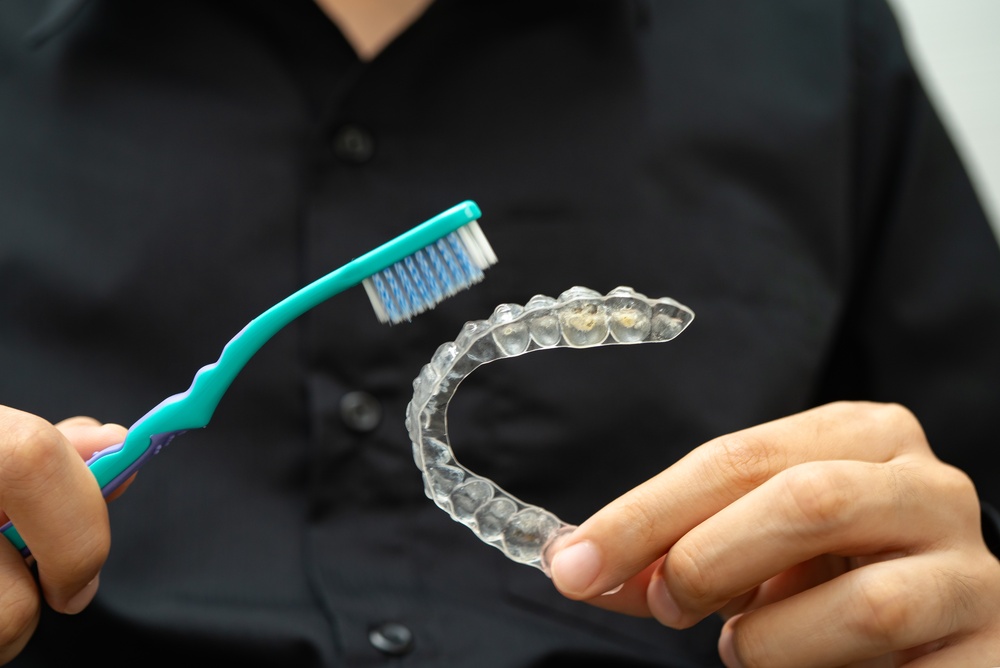
Clear aligners such as Invisalign are designed to move teeth gradually into better alignment. Like braces, they are not specifically intended to treat snoring.
However, aligners may contribute to improvements when treatment corrects bite issues that affect tongue posture or jaw positioning.
Because every case is different, it’s important to have a thorough evaluation to determine whether orthodontic treatment could influence breathing concerns.
When Snoring May Require Additional Treatment
Orthodontics Is Not Always the Complete Solution
While orthodontic treatment can help some patients, snoring is often multifactorial.
Other causes may include:
- Enlarged tonsils
- Nasal obstruction
- Obesity
- Sleep apnea
- Allergies
For this reason, orthodontists often collaborate with:
- Sleep specialists
- Ear, nose, and throat physicians (ENTs)
- Pediatricians
- Primary care providers
A team-based approach helps ensure that all contributing factors are addressed.
The Importance of a Comprehensive Evaluation
Looking Beyond the Teeth
At Viva Smiles, orthodontic evaluations involve more than simply examining tooth alignment.
Factors that may be assessed include:
- Jaw development
- Facial growth patterns
- Bite relationships
- Airway considerations
- Oral habits
- Breathing patterns
A comprehensive examination helps identify whether orthodontic treatment and snoring may be connected in a particular patient.
Personalized Treatment Planning
Every patient is unique. What works for one child or adult may not be appropriate for another.
A customized treatment plan allows orthodontists to address both functional and cosmetic concerns while supporting long-term oral health.
Lifestyle Habits That Support Better Sleep
Orthodontic treatment may be one piece of the puzzle, but healthy habits can also improve sleep quality.
Helpful strategies include:
- Maintaining a healthy weight
- Sleeping on your side
- Managing allergies
- Practicing good sleep hygiene
- Avoiding heavy meals before bedtime
Combining these habits with appropriate treatment often produces the best outcomes.
Orthodontic Treatment and Snoring in Adults
Adult Airway Concerns
Adults who snore frequently may have underlying structural issues that were never addressed during childhood.
Orthodontic treatment may help when snoring is linked to:
- Bite misalignment
- Jaw positioning
- Crowding that affects tongue posture
While adult treatment cannot change growth patterns the way childhood treatment can, meaningful improvements may still be possible.
A Collaborative Approach
Adults experiencing chronic snoring should seek professional evaluation to determine the root cause.
In some cases, orthodontic treatment may be recommended alongside other therapies to support better breathing and sleep quality.
Final Thoughts on Orthodontic Treatment and Snoring
The relationship between orthodontic treatment and snoring is an important topic that continues to gain attention. While orthodontics is not a cure for every case of snoring, correcting certain bite, jaw, and airway-related issues may contribute to healthier breathing and improved sleep.
For children, early orthodontic intervention may help guide proper jaw development and support airway growth. For adults, orthodontic treatment may improve structural issues that contribute to breathing difficulties during sleep.
At Viva Smiles, we take a comprehensive approach to orthodontic care, looking beyond straight teeth to support overall oral health and function. If you or your child experiences chronic snoring and you’re wondering whether orthodontic treatment may help, our team is here to provide guidance and personalized recommendations.
Call us today at (714) 530-8482 or visit our website to schedule a consultation!
Frequently Asked Questions
- Can orthodontic treatment cure snoring?
Not always. Snoring can have many causes, but orthodontic treatment may help when jaw alignment, bite issues, or airway restrictions contribute to the problem. - At what age should a child with chronic snoring see an orthodontist?
Children who snore regularly should be evaluated by both their healthcare provider and an orthodontist. Early evaluations can identify developmental concerns that may benefit from treatment. - Can a palatal expander help with breathing issues?
In some cases, yes. Expanding a narrow upper jaw may improve nasal airflow and support healthier breathing patterns.