

Dental X-rays are a cornerstone of modern dentistry, providing invaluable insights that go beyond what the naked eye can see. They are essential tools that help dentists diagnose conditions hidden between teeth, under the gum line, and within the bone. This article will explore the types of dental X-rays, how they work, their importance in dental care, and address common concerns about their safety. Understanding these aspects will demystify the process and highlight the critical role X-rays play in maintaining oral health.
The Science Behind Dental X-Rays
Dental X-rays involve a small amount of radiation to capture images of the interior of your teeth and gums. This technology relies on the differential absorption of X-rays by different tissues in the mouth. Hard tissues like teeth and bone absorb more X-rays, making them appear lighter on the X-ray film, while softer tissues absorb fewer X-rays, appearing darker. This contrast creates a detailed image that can reveal hidden abnormalities, such as cavities, root issues, and jawbone anomalies.
Types of Dental X-Rays and Their Specific Uses
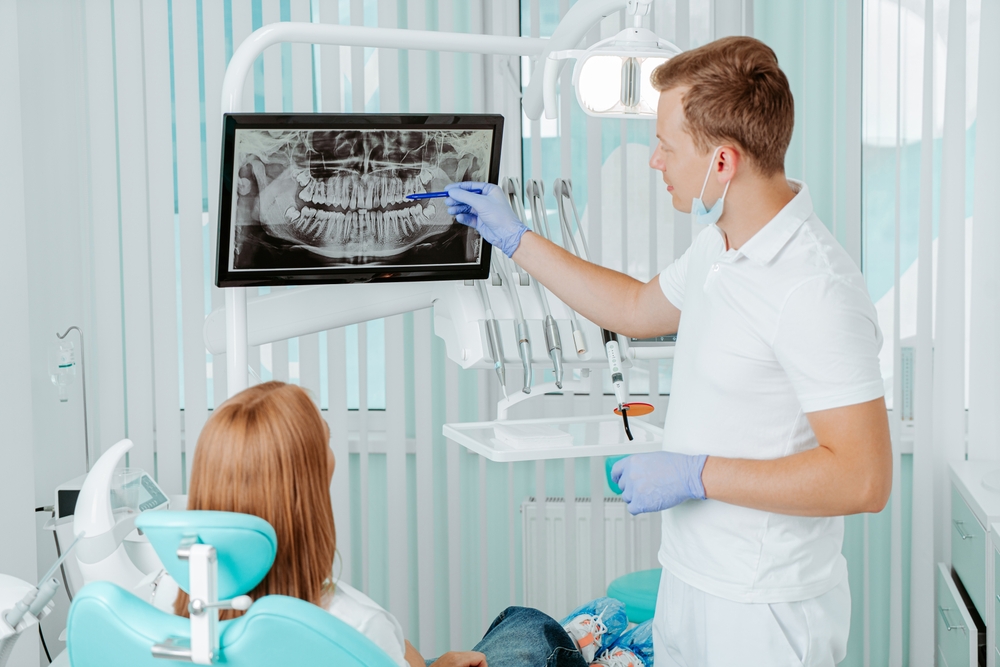
Several types of dental x-rays cater to different diagnostic needs. Bitewing X-rays focus on the upper and lower teeth in one area of the mouth, helping to detect decay between teeth and changes in bone density caused by gum disease. Panoramic X-rays provide a broad view of the entire mouth area, including all teeth, the jaws, and even sinuses and joints. This type is particularly useful for planning orthodontic treatment and assessing impacted teeth.
Interpreting Dental X-Rays
Interpreting dental x-rays requires both technical knowledge and experience. Dentists and radiologists look for variations in the images that signify different conditions. For instance, dark spots might indicate areas of decay, while white spots could show fillings, crowns, or other dental work. Changes in the bone surrounding teeth can signal periodontal disease.
Addressing Safety Concerns: Radiation and Precautions
While dental X-rays involve radiation, the levels are extremely low, especially with modern digital x-ray technology. However, safety remains a priority in dental practices. Lead aprons and thyroid collars are commonly used to protect patients from unnecessary exposure. Digital X-rays have further reduced radiation levels and processing time, enhancing safety and convenience.
Advanced Diagnostic Capabilities of Dental X-Rays
Dental X-rays not only detect current issues but can also provide predictive insights into potential future problems, such as the likelihood of impacted teeth or the early formation of dental cysts and tumors. This proactive approach in dentistry can save patients significant discomfort and financial costs by addressing issues before they become severe.
Conclusion
Dental x-rays are indispensable in modern dentistry. They provide crucial information that cannot be obtained through visual examination alone, supporting accurate diagnosis and effective treatment planning. Their ability to uncover hidden dental issues ensures that patients receive the most appropriate and proactive treatments.
At Viva Smiles, we prioritize your dental health and safety. Our state-of-the-art digital x-ray equipment ensures high-quality images with minimal radiation exposure. If you have any concerns about your dental health or wish to discuss the potential need for X-rays, please don’t hesitate to contact us. Schedule your appointment today and take the first step towards a healthier smile with confidence in the care you receive!
Frequently Asked Questions (FAQs) About Dental X-Rays
1. Are dental x-rays safe?
Dental X-rays involve very low levels of radiation and are considered safe for adults and children. Modern digital x-ray machines further minimize the risk, and protective gear like lead aprons shield patients from unnecessary exposure.
2. How often should I get dental x-rays?
The frequency of dental X-rays depends on your oral health status, age, risk for disease, and any symptoms of oral disease. Typically, your dentist will recommend x-rays every 1-2 years for adults and annually for children and adolescents.
3. What do dentists look for in dental x-rays?
Dentists use X-rays to detect hidden dental decay, monitor the health of the jawbone, track the development of teeth, identify impacted teeth, assess the extent of periodontal disease, and plan orthodontic treatment.
4. Can I refuse a dental x-ray?
You have the right to refuse a dental X-ray; however, it is important to understand that X-rays can provide critical information that aids in diagnosing conditions not visible during a regular dental exam.
5. What should I do before a dental x-ray?
Generally, no special preparation is required for a dental x-ray. It is helpful to maintain good oral hygiene and inform your dentist about any recent illnesses or medical conditions.
6. Do dental x-rays hurt?
Dental x-rays do not cause any pain. You might experience some discomfort from holding still in a certain position while the X-ray is taken, but the process is quick and painless.
7. Can pregnant women have dental x-rays?
It’s generally advised to avoid dental x-rays during pregnancy unless absolutely necessary. If an x-ray is needed, proper precautions, such as using a lead apron, will be taken to protect the fetus.