

As children grow, their teeth and jaws develop rapidly. While some changes are completely normal, others may signal the need for orthodontic attention. Identifying common orthodontic problems in children early can make treatment simpler, more effective, and sometimes even shorter.
At Viva Smiles, early awareness leads to healthier smiles. In this guide, we’ll walk through the most common orthodontic problems in children, what causes them, and when it may be time to schedule an evaluation.
Why Early Orthodontic Evaluation Matters
Children’s mouths are constantly changing. Baby teeth fall out, permanent teeth erupt, and jawbones grow to accommodate development. As a result, certain alignment or bite issues can develop gradually.
The American Association of Orthodontists recommends that children have their first orthodontic evaluation by age seven. At this stage, orthodontists can detect common orthodontic problems in children before they become more severe. Early treatment, also known as interceptive orthodontics, can guide jaw growth and prevent complications later.
Crowding of Teeth
What It Is
Crowding occurs when there isn’t enough space in the jaw for permanent teeth to erupt properly. Teeth may overlap, twist, or become displaced.
Why It Happens
Crowding is often hereditary, but it can also result from early loss of baby teeth or jaw size.
Why It Matters
Crowded teeth are harder to clean, increasing the risk of cavities and gum disease. Addressing this common orthodontic problem in children early can prevent more complex treatment later.
Spacing Issues
What It Is
Spacing refers to gaps between teeth. While some spacing in young children is normal, excessive gaps may require attention.
Why It Happens
Missing, small, or misaligned teeth, or habits such as thumb sucking, can cause spacing.
Why It Matters
Large gaps may affect chewing, speech, or self-confidence. In some cases, spacing may indicate underlying developmental concerns.
Overbite
What It Is
An overbite occurs when the upper front teeth significantly overlap the lower front teeth.
Why It Happens
This common orthodontic problem in children may result from jaw growth patterns, thumb sucking, or genetics.
Why It Matters
A severe overbite can cause uneven tooth wear, jaw discomfort, and long-term bite problems if left untreated.
Underbite
What It Is
An underbite occurs when the lower teeth protrude past the upper teeth.
Why It Happens
Often related to jaw growth discrepancies or hereditary factors.
Why It Matters
Underbites can affect chewing, speaking, and facial balance. Early intervention can guide jaw growth, reducing the need for later surgical correction.
Crossbite
What It Is
A crossbite occurs when some upper teeth sit inside the lower teeth instead of outside.
Why It Happens
Jaw misalignment, prolonged pacifier use, or thumb sucking can contribute to this issue.
Why It Matters
If untreated, a crossbite can cause uneven tooth wear, gum recession, and jaw strain.
Open Bite
What It Is
An open bite means the upper and lower teeth do not touch when the mouth is closed.
Why It Happens
This can result from thumb sucking, tongue thrusting, or abnormal jaw development.
Why It Matters
Open bites may interfere with chewing and speech development. Addressing this common orthodontic problem in children early often leads to better outcomes.
Early or Late Loss of Baby Teeth
What It Is
Baby teeth that fall out too early or remain too long can disrupt the natural eruption pattern of permanent teeth.
Why It Happens
Trauma, decay, or developmental delays may affect timing.
Why It Matters
When baby teeth are lost prematurely, neighboring teeth may shift into the space left by the missing teeth, leading to crowding or misalignment later.
Jaw Growth Problems
Some children experience jaw growth discrepancies where the upper and lower jaws grow at different rates. These issues can contribute to overbites, underbites, or facial asymmetry.
Early evaluation allows orthodontists to monitor development and intervene at the optimal time.
Habits That Contribute to Orthodontic Problems
Certain childhood habits may increase the risk of developing common orthodontic problems in children:
- Thumb sucking beyond age four
- Extended pacifier use
- Tongue thrusting
- Mouth breathing
These habits can influence jaw shape and tooth alignment over time.
Signs Parents Should Watch For
Parents are often the first to notice potential orthodontic concerns. Watch for:
- Difficulty chewing or biting
- Speech difficulties
- Teeth that don’t meet properly
- Frequent cheek biting
- Visible crowding or spacing
If you notice these signs, scheduling an orthodontic consultation can provide clarity.
Treatment Options for Children
Treatment for common orthodontic problems in children depends on the specific issue and the child’s age.
Interceptive (Phase One) Treatment
May include expanders, partial braces, or space maintainers.
Comprehensive Braces
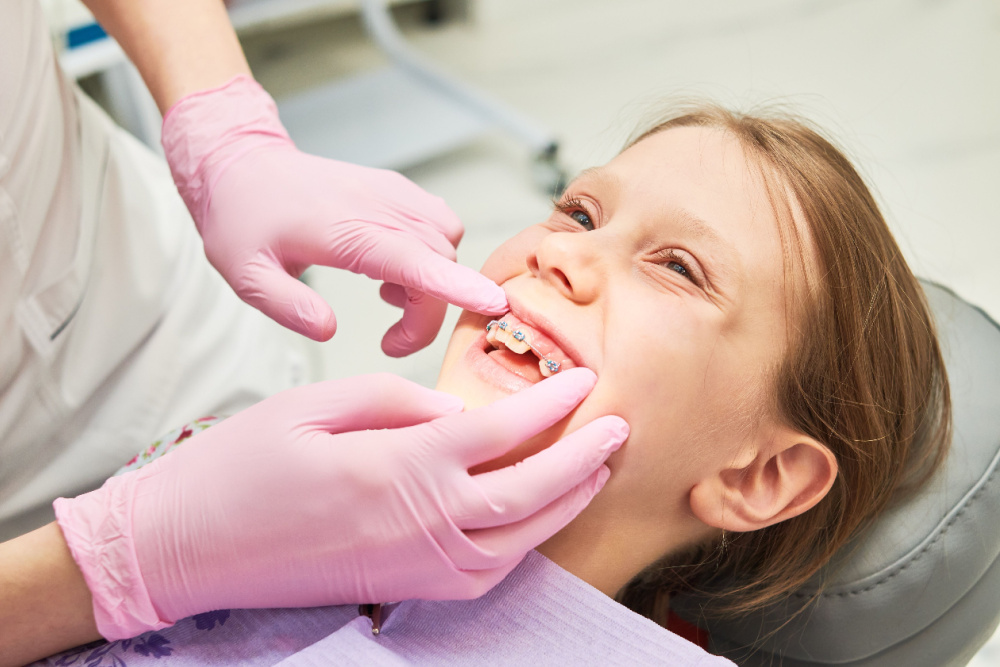
Traditional braces correct alignment and bite issues.
Clear Aligners for Teens
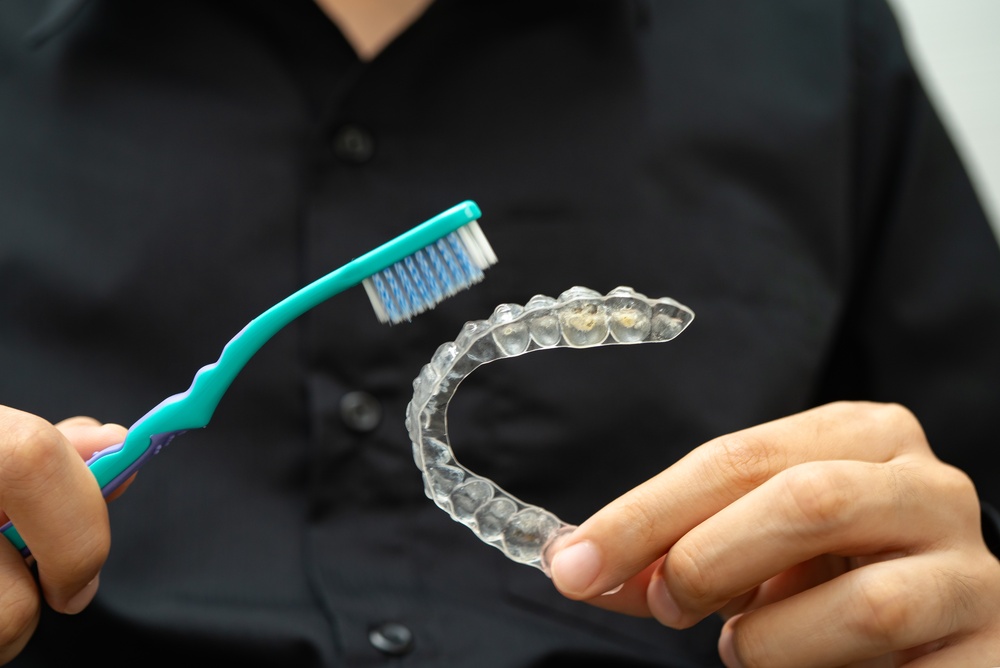
For older children, aligners may be an option depending on the severity of the problem.
At Viva Smiles, we create personalized treatment plans designed to support each child’s development and comfort.
Why Early Treatment Can Make a Difference
Addressing common orthodontic problems in children early may:
- Reduce the need for tooth extractions
- Shorten overall treatment time
- Guide proper jaw growth
- Improve long-term oral health
Early care doesn’t always mean immediate braces—it often means careful monitoring and strategic timing.
Final Thoughts on Children’s Orthodontics
Common orthodontic problems in children are easier to manage when detected early. From crowding and spacing to bite misalignment and concerns about jaw growth, many issues can be corrected effectively with timely care.
At Viva Smiles, we’re committed to helping families feel confident and informed. If you have concerns about your child’s smile, we encourage you to schedule an evaluation. Early guidance can make a lifetime of difference.
Call us today at (714) 530-8482 or visit our website to schedule your child’s orthodontic consultation.
Frequently Asked Questions
- At what age should my child see an orthodontist?
Most children should have an evaluation by age seven, even if no visible problems are present. - Do all orthodontic problems require braces right away?
No. Some children only need monitoring, while others benefit from early intervention. - Can orthodontic problems correct themselves as children grow?
Some minor spacing may improve naturally, but many bite and alignment issues require professional treatment.