

Maintaining excellent dental hygiene is always important, but for orthodontic patients, it’s essential. Braces, wires, and even clear aligners create unique challenges that can make cleaning your teeth more difficult. If you’re not diligent, food particles and plaque can accumulate quickly, leading to cavities, gum problems, or stains that persist even after your orthodontic treatment is complete.
At Viva Smiles, we’re passionate about helping our patients achieve not only straight teeth but also healthy smiles that last a lifetime. In this guide, we’ll share practical and effective orthodontic dental hygiene tips explicitly tailored for those patients.
Why Dental Hygiene Matters More During Orthodontic Treatment
Orthodontic appliances—whether metal braces, ceramic braces, or Invisalign—can trap food particles, making brushing and flossing more challenging. This can lead to:
- Plaque buildup
- Tooth decay
- Gum inflammation
- Bad breath
For braces patients, brackets and wires create more surfaces for bacteria to cling to, while Invisalign patients must be careful to keep aligners clean and free of trapped bacteria. Proper hygiene ensures that your teeth look as good as they function once treatment is complete.
Brushing Techniques for Orthodontic Patients
Choose the Right Toothbrush
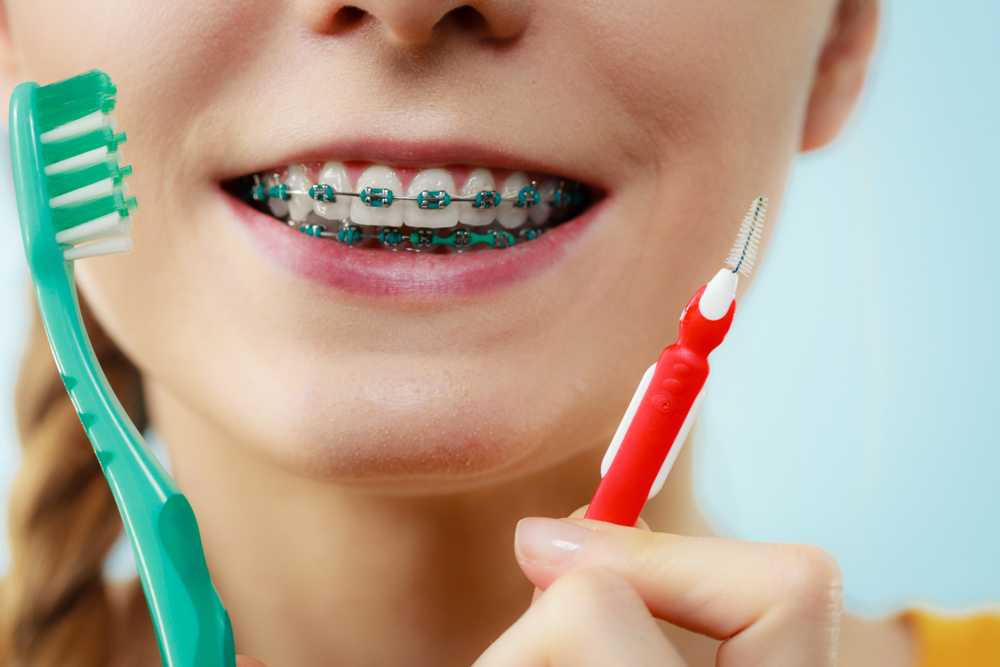
A soft-bristled toothbrush or an electric toothbrush with an orthodontic head is best for getting around brackets and wires. Electric brushes can remove more plaque in less time.
Brush After Every Meal
Orthodontic patients should brush their teeth after every meal to remove food debris before it can turn into plaque. If you can’t brush immediately, rinse thoroughly with water.
Use the Correct Motion
For braces: Angle the brush at 45 degrees above and below the brackets, brushing both the gumline and the braces. For aligners: Brush normally, but focus on removing any buildup before reinserting aligners.
Don’t Forget the Gumline and Chewing Surfaces
Many patients focus only on the brackets or visible areas, but plaque often hides near the gums and on molars.
Flossing With Braces or Aligners
Floss Threaders or Orthodontic Floss
Floss threaders make it easier to get floss under wires. Orthodontic floss comes pre-threaded for convenience.
Water Flossers
A water flosser can be a game-changer for patients with orthodontic needs. It helps flush out debris from between teeth and around braces.
Daily Commitment
Flossing once a day is non-negotiable for patients with orthodontic appliances. This will prevent plaque buildup and gum irritation.
Cleaning Clear Aligners (Invisalign Patients)
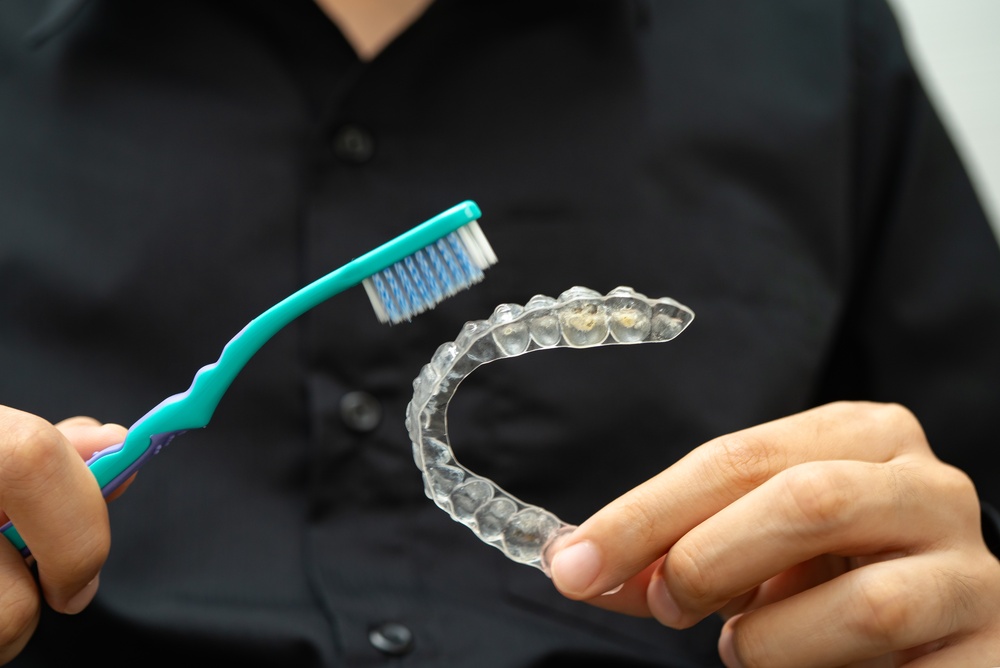
Rinse and Brush Aligners
Always rinse aligners before putting them back in your mouth, and gently brush them with a soft toothbrush (without toothpaste, as it can scratch them).
Soak Daily
Use Invisalign cleaning crystals or a dentist-recommended solution to keep aligners clear and odor-free.
Avoid Hot Water
Hot water can warp aligners, potentially affecting their fit and effectiveness.
Avoiding Foods That Damage Braces or Teeth
Hard and Sticky Foods
Popcorn, caramel, hard candies, and nuts can break brackets or wires.
Sugary Snacks
Limit soda, candy, and other sugary treats. Sugar fuels bacteria that cause cavities.
Cut Food Into Smaller Pieces
Biting into hard foods (like apples) can be risky. Cut them into bite-sized pieces instead.
Using Orthodontic Wax for Comfort
If a bracket or wire irritates your cheeks or gums, orthodontic wax can protect your mouth while you wait for an adjustment.
Importance of Regular Dental and Orthodontic Checkups
Even with excellent home care, professional cleanings and adjustments are essential. Regular checkups ensure your teeth and gums remain healthy while your orthodontic treatment stays on track.
Protecting Your Teeth During Sports
If you play contact sports, wear a mouthguard. Special orthodontic mouthguards are available for patients with braces.
Dealing With Emergencies
If a wire breaks, a bracket comes loose, or you experience severe discomfort, please call your orthodontist immediately. Prompt repairs prevent delays in treatment.
Building Lifelong Dental Habits
Good dental hygiene during orthodontic treatment isn’t just about keeping your teeth clean—it’s about protecting the investment you’re making in your smile. By following these tips and staying consistent, you’ll ensure that when your braces or aligners come off, your teeth are not only straight but also strong and healthy.
At Viva Smiles, we’re here to guide you every step of the way. Whether you’re wearing braces or Invisalign, our team is committed to helping you achieve your dream smile.
Call us at (714) 530-8482 or visit our website to schedule your appointment today!
Frequently Asked Questions
- How often should orthodontic patients get professional cleanings?
We recommend every six months, but in some cases, more frequent cleanings may be needed and advised. - Can I use whitening toothpaste while wearing braces?
It’s best to wait until after treatment to whiten teeth. Whitening toothpaste can cause uneven color once braces are removed. - What should I do if food gets stuck in my braces and I can’t remove it?
Try rinsing with water or using an interdental brush. If you still can’t remove it, schedule a quick visit with your orthodontist.