

Orthodontic treatments are lengthier, more painful, and cost more than most dental treatments. It is, therefore, not a surprise that most patients expect the results of the treatments to last for the rest of their lives.
Indeed, wearing braces is not smooth sailing, and understandably, some people overlook the subsequent retention phase, which is arguably more important than the treatment phase.
If you want your teeth to remain in their position and to stay in top health for a lifetime, you need to know how after-treatment care works.
Why Do You Need to Care for Your Teeth Post-Braces?
Just like muscles, teeth are used to certain positions and naturally want to return to them when dislodged. This is a ‘relapse’ and is prevalent after orthodontic treatment.
Remember, braces only hold the teeth in position. As such, your teeth and gums will take time to settle and change shape. As a result, they may fall back to their former positions, take a new stand, or even deteriorate further.
The level of tooth movements and bone turnover in your mouth can be affected by several factors, including:
- Loss of teeth – When you lose a tooth, the teeth around it will naturally seek to fill the gap, which will be more noticeable when you stop wearing braces. You can prevent this by getting an implant or a partial denture.
- Bruxism – This is where you subconsciously grind and clench your top and bottom teeth together. This often occurs when you are stressed or anxious. Unfortunately, constant grinding and clenching will make your gums recede over time. With less gum tissue to hold them in place, the teeth move around more freely.
- Growth of wisdom teeth – Ideally, wisdom teeth should be removed before you start wearing braces to prevent them from pushing other teeth from their positions. If your wisdom teeth appear after braces, you must check with your dentist if they threaten other teeth. If they are, the earlier they are removed, the better.
- Periodontal disease – Commonly known as gum disease, this condition can affect the gums and damage the teeth and jaw bone. With a weak jaw bone and gums, the teeth will not have a strong foundation and will shift and twist around freely and efficiently, resulting in a crooked smile.
Best Post-Braces Care Practices
After investing so much money and effort into your braces, the last thing you want is to end up needing another round of orthodontic treatment. The following tips can help your treatment effects last longer:
- Get regular check-ups – Although yearly dental check-ups are a standard requirement for everyone, they are essential for people who have had braces. Instead of an annual visit, consider visiting your dentist after every six months. This way, issues such as gum disease and the emergence of wisdom teeth can be detected and fixed before they cause significant damage.
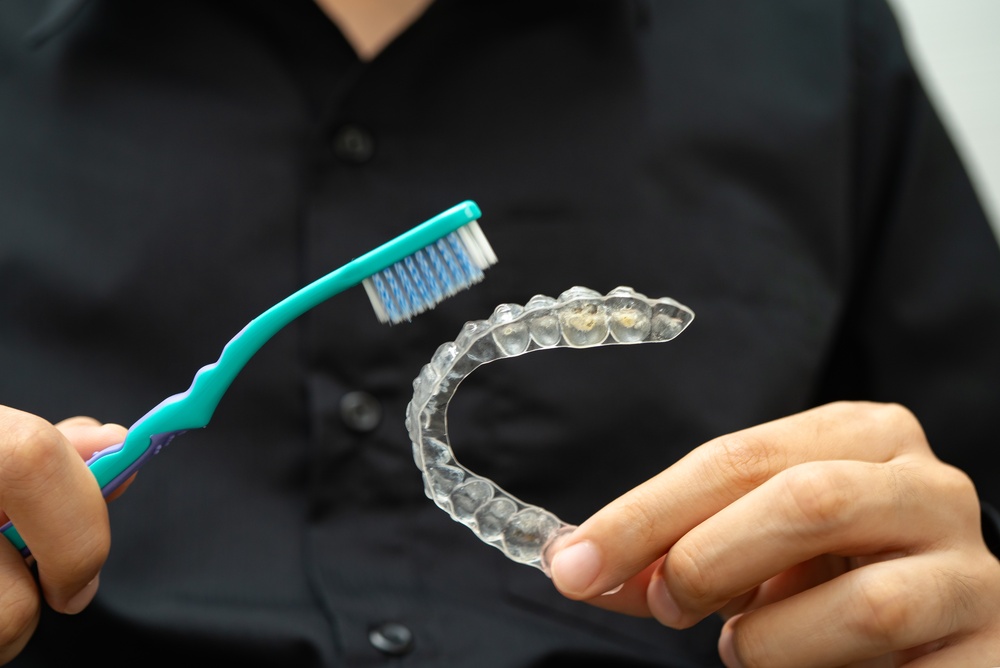
- Wear retainers – Retainers help to keep your teeth in their new position for much longer, so consider wearing them for some time. For better effect, seek your dentist’s word before using them.
- Wear a mouthguard – If you find yourself grinding and clenching your teeth often, wearing a mouthguard at night will help protect your teeth from further damage. Get a custom-made nightguard if you want an extra bit of comfort.
- Maintain a good oral hygiene routine – This is not as complicated as it seems. You must brush your teeth after every meal, avoid overly sugary and acidic foods and drinks, and floss your teeth once a day.
Are you in need of a professional orthodontist in Garden Grove? Contact us for a free consultation.