


Orthodontic treatment is designed to be safe, predictable, and effective—but, like any daily-wear treatment, unexpected issues can sometimes arise. A loose bracket, poking wire, or sudden discomfort can feel alarming, especially if it happens outside of office hours. Knowing how to handle orthodontic emergencies can make all the difference in protecting your progress and easing anxiety.
At Viva Smiles, we believe patients feel more confident when they’re informed. This guide explains what counts as an orthodontic emergency, what you can safely manage at home, and when it’s essential to contact your orthodontist for professional care.
What Is Considered an Orthodontic Emergency?
An orthodontic emergency is any issue related to braces, wires, or aligners that causes significant discomfort, interferes with normal oral function, or risks delaying treatment progress. Not every problem requires an urgent visit, but some situations should never be ignored.
Understanding the difference between a true emergency and a minor issue helps you respond appropriately without unnecessary stress.
Common Orthodontic Emergencies
Loose or Broken Brackets
Brackets can loosen if you bite into hard or sticky foods or experience accidental trauma. While a loose bracket isn’t always painful, it can disrupt tooth movement and extend treatment time if left unaddressed.
If the bracket is still attached to the wire and not causing pain, you can leave it in place temporarily. If it comes off completely, save it and contact your orthodontist for guidance.
Poking or Broken Wires
Wires can shift as teeth move, sometimes causing them to poke the cheeks, lips, or gums. This is one of the most common orthodontic emergencies and can usually be managed at home initially.
Use orthodontic wax to cover the sharp end. If wax doesn’t help, a clean pencil eraser can gently push the wire into a more comfortable position. If the discomfort persists, call your orthodontist.
Severe Mouth Sores or Irritation
Mild irritation is typical with braces, especially early on. However, severe sores or ongoing pain may indicate a problem that needs professional attention. Wax can help protect irritated areas until your appointment.
Lost or Broken Retainers
Retainers are essential for maintaining alignment after treatment. Losing or breaking one can allow teeth to shift quickly. Contact your orthodontist as soon as possible to arrange a replacement.
Aligner Issues
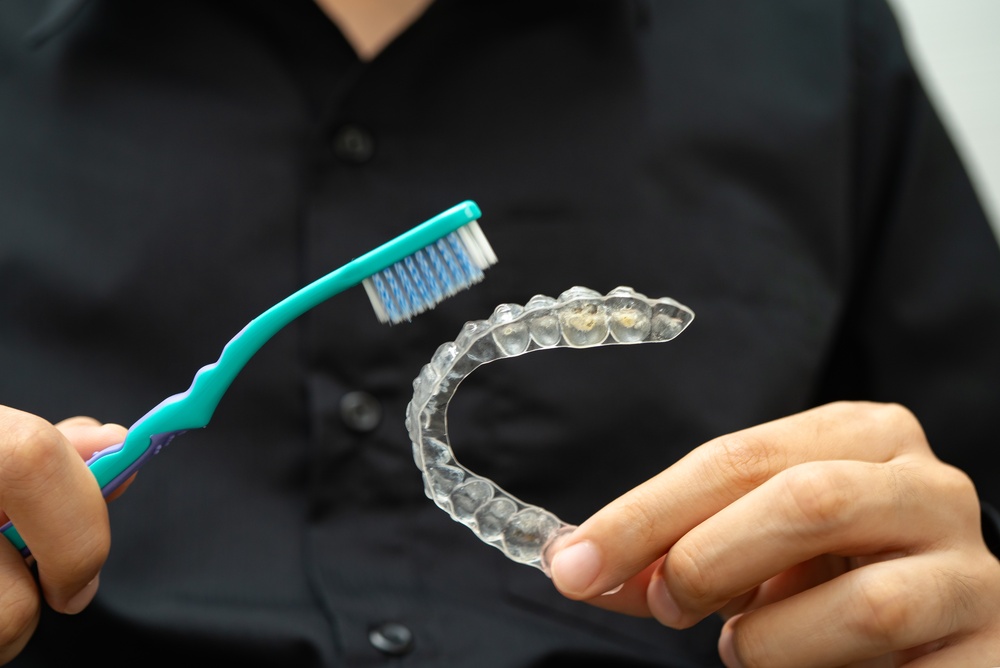
For patients using clear aligners, cracks, warping, or poor fit can affect treatment. Do not continue wearing a damaged aligner—contact your orthodontist for next steps.
What Is NOT an Orthodontic Emergency?
Some situations feel urgent but can safely wait until your next scheduled appointment:
- Mild soreness after adjustments
- Temporary pressure when switching to a new aligner
- Food stuck between teeth or brackets
- A loose elastic band
These are standard parts of orthodontic treatment and usually resolve on their own within a few days.
What to Do at Home Before Calling Your Orthodontist
Relieve Discomfort Safely
Over-the-counter pain relievers, when used as directed, can help manage soreness. Rinsing with warm salt water may also reduce irritation and swelling.
Protect Soft Tissues
Orthodontic wax is your best friend during emergencies. Apply it generously to brackets or wires that are causing discomfort.
Maintain Oral Hygiene
Even during emergencies, continue brushing and flossing carefully. Keeping the area clean prevents infection and reduces inflammation.
When to Call Your Orthodontist Immediately
You should contact your orthodontist right away if:
- You experience severe or worsening pain
- A wire is embedded in your cheek or gum
- A bracket or appliance is swallowed or inhaled
- Your retainer or aligner no longer fits at all
- Trauma to the mouth affects braces or teeth
Prompt attention helps prevent complications and keeps your treatment on track.
How Viva Smiles Handles Orthodontic Emergencies
At Viva Smiles, patient safety and comfort come first. Our team provides clear instructions for managing orthodontic emergencies and offers timely appointments when needed. We aim to minimize discomfort while protecting the progress you’ve made with your treatment.
We also educate patients during regular visits so they feel confident handling minor issues at home.
Preventing Orthodontic Emergencies
While not all emergencies are avoidable, many can be prevented with good habits:
- Follow dietary guidelines and avoid hard or sticky foods
- Wear a mouthguard during sports or physical activities
- Keep orthodontic wax on hand
- Attend regular adjustment appointments
- Follow retainer and aligner instructions carefully
Being proactive reduces the risk of unexpected problems.
Why Quick Action Matters
Ignoring orthodontic emergencies can lead to delayed treatment, additional costs, or compromised results. Even minor issues, if left untreated, can snowball into bigger problems.
Knowing when to call your orthodontist ensures your treatment stays efficient and comfortable.
Final Thoughts on Orthodontic Emergencies
Orthodontic emergencies can be inconvenient, but they don’t have to be overwhelming. With the proper knowledge and prompt communication, most issues can be managed quickly and effectively.
At Viva Smiles, we’re here to support you through every phase of your orthodontic journey—from routine adjustments to unexpected emergencies. If something doesn’t feel right, trust your instincts and reach out.
Call us at (714) 530-8482 or visit our website whenever you need guidance or care.
Frequently Asked Questions
- Should I go to the emergency room for a broken bracket?
No. Orthodontic emergencies are usually handled by your orthodontist, not the ER, unless there is severe injury or breathing difficulty. - Can I cut a poking wire at home?
Only as a last resort and with extreme care. It’s best to cover it with wax and contact your orthodontist. - What if an emergency happens after hours or on a weekend?
Follow the emergency instructions provided by your orthodontic office and call as soon as the office reopens.