


Orthodontic treatment is pivotal in enhancing the aesthetic appeal of smiles and improving overall dental health. By aligning teeth and correcting bite issues, orthodontics can significantly impact one’s quality of life, from boosting self-confidence to mitigating oral health problems. Alongside these benefits, orthodontics also intersects with treating and managing temporomandibular joint (TMJ) disorders, a set of conditions that affect the jaw joint and the muscles responsible for jaw movement. TMJ disorders can lead to pain, difficulty in chewing, and other functional problems, making their management an essential aspect of dental care. The relationship between orthodontic issues and TMJ disorders is complex, as misalignments can contribute to the stress on the jaw joints, thereby exacerbating or even initiating TMJ symptoms. This intersection underscores the importance of a comprehensive approach in orthodontic treatment to enhance dental aesthetics and function and as a preventive or mitigative strategy for TMJ disorders.
Understanding TMJ Disorders
Temporomandibular joint (TMJ) disorders encompass a variety of conditions that affect the joint connecting the jaw to the skull. This joint is crucial for movements involved in eating, talking, and facial expressions. These disorders can arise from various causes, including physical stress, teeth or jaw misalignment, arthritis, and excessive gum chewing.
Common symptoms of TMJ disorders include:
- Pain or tenderness around the jaw, ears, or face.
- Difficulty or discomfort while chewing.
- A clicking or locking sensation in the jaw when opening or closing the mouth.
- Swelling on the sides of the face.
TMJ disorders can stem from several causes, such as:
- Jaw injury or trauma
- Wear and tear on the joint from arthritis or other conditions
- Stress leads to teeth grinding or clenching, which puts extra pressure on the TMJ
- Misalignment of teeth or jaw, impacting the natural function of the jaw
Understanding these symptoms and causes is vital for early detection and treatment, helping to alleviate pain and prevent further complications.
The Link Between Orthodontic Issues and TMJ Disorders
Misaligned teeth or jaw can significantly impact the temporomandibular joint function, leading to disorders. When teeth do not fit together correctly, it can result in uneven pressure on the jaw, causing stress and strain on the TMJ. This imbalance can exacerbate or even trigger TMJ symptoms such as pain, discomfort, and mobility issues. Orthodontic treatment, therefore, plays a crucial role in addressing these imbalances. By realigning the teeth and correcting the bite, orthodontics can relieve the undue stress on the TMJ, potentially alleviating symptoms associated with TMJ disorders. However, it’s crucial to approach orthodontic treatment cautiously, as improper adjustments can worsen TMJ conditions.
Orthodontic Options for TMJ Disorder Management
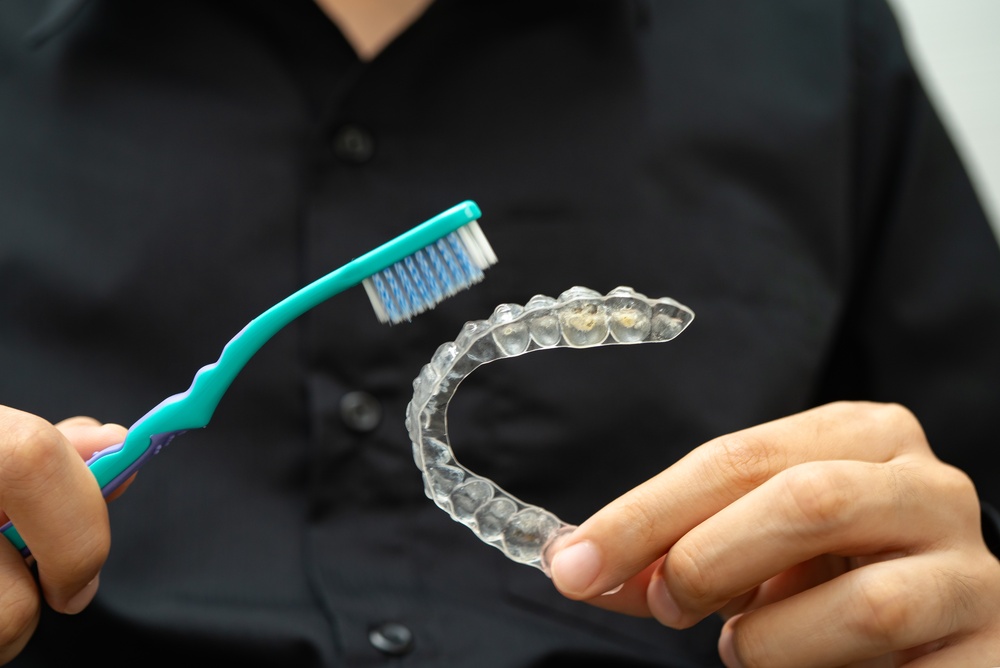
Orthodontic treatments offer several options for managing TMJ disorders by addressing the root causes related to dental alignment and bite issues. Traditional braces are a common solution, capable of realigning teeth and adjusting the bite to reduce stress on the TMJ. Invisalign, a less visible alternative, provides similar benefits through a series of custom-made, clear aligners, making it a popular choice for adults. Other appliances, such as splints or mouthguards, can also be used to alleviate TMJ symptoms by preventing teeth grinding and clenching, common contributors to TMJ pain. These options highlight the versatility of orthodontic interventions in TMJ management:
- Braces: Correct misalignments that strain the TMJ.
- Invisalign: Offers a discreet way to adjust the bite and alleviate TMJ stress.
- Splints and Mouthguards: Prevent behaviors that exacerbate TMJ disorders.
Choosing the right treatment depends on the patient’s specific needs and conditions, underscoring the importance of a personalized approach to orthodontic care in managing TMJ disorders.
Comprehensive Care: Beyond Orthodontics
Adopting a holistic approach to treating TMJ disorders emphasizes the interconnection between oral health and overall well-being. In addition to orthodontic treatments, incorporating physiotherapy can enhance jaw mobility and reduce pain through specialized exercises. Stress management techniques, such as meditation and yoga, address one of the root causes of TMJ disorders by mitigating tension that leads to jaw clenching and teeth grinding. Moreover, dietary adjustments can minimize jaw strain by favoring softer foods and reducing chew-intensive items. Orthodontists can be pivotal in coordinating with other healthcare providers, such as physiotherapists, psychologists, and nutritionists, to deliver a multifaceted treatment plan. This collaborative approach ensures that patients receive comprehensive care tailored to their unique needs, offering a more effective and sustainable resolution to TMJ disorders.
The Importance of Early Intervention
Early detection and treatment of orthodontic issues are pivotal in preventing the development or exacerbation of TMJ disorders. Identifying and addressing misalignments or bite problems early on can significantly reduce the risk of placing undue stress on the temporomandibular joint, thereby mitigating potential TMJ symptoms. Regular dental check-ups play a crucial role in this early intervention strategy, as orthodontists can spot subtle signs of orthodontic issues before they escalate into more severe problems.
Recognizing early signs of potential orthodontic problems is essential for timely intervention. Symptoms such as difficulty in biting or chewing, jaw pain or tenderness, persistent headaches, and audible clicking or popping sounds from the jaw joint should prompt an evaluation by an orthodontist. Additionally, visible misalignments, such as overcrowded, gapped, or misaligned teeth, can indicate underlying issues that might affect the jaw’s proper function.
By educating patients and parents about these early indicators, orthodontists can encourage prompt action that may prevent the onset of TMJ disorders. Engaging in preventative measures and seeking early treatment contributes to better oral health outcomes and promotes overall well-being by avoiding the complications associated with TMJ disorders.
Conclusion
Understanding the intricate relationship between orthodontic health and TMJ disorders is crucial for maintaining oral health and overall well-being. Misalignments in teeth and jaw can lead to TMJ disorders, manifesting in pain and functional difficulties, highlighting the need for a proactive approach to orthodontic care. Seeking professional advice at the onset of symptoms or concerns can lead to early detection and more effective management of these conditions.
Viva Smiles offers personalized care and extensive orthodontic treatment plans tailored to each patient’s needs. We invite you to schedule a consultation to evaluate your orthodontic health and any concerns about TMJ disorder. Our commitment is to ensure that each patient receives the best possible care to improve their quality of life through expert orthodontic treatment.