

Are you troubled by bite problems? Are you unable to chew certain foods, or are your teeth becoming misaligned? If so, there are various orthodontic treatments available that may help with these issues. In this blog post, we’ll explore the different types of orthodontic treatment and how they can improve your daily life, allowing you to comfortably and easily bite down again. We’ll also discuss some common causes for being unable to bite correctly and provide valuable tips on what steps to take if you’ve been diagnosed with a bite issue. So whether your problem is minor discomfort from misalignment or major pain from an inability to chew properly, keep reading as we explain all about how orthodontic treatments can help!
Bite Problems and How They Can Affect Daily Life
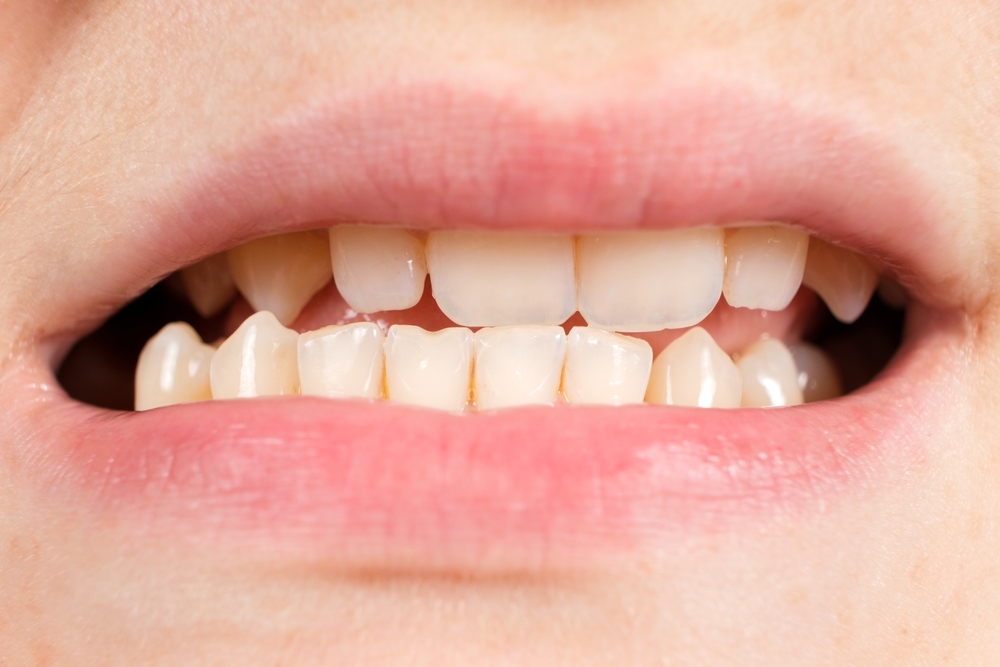
Bite problems, also known as malocclusions, can significantly impact an individual’s daily life, often affecting their self-esteem and overall well-being. Misaligned teeth or jaws can interfere with essential activities such as talking, eating, and proper oral hygiene. For example, many people may find it challenging to pronounce certain words clearly. In contrast, others might experience difficulties in enjoying their favorite foods due to improper chewing or pain while trying to bite. Consequently, poor oral hygiene due to a misaligned bite can lead to dental issues such as gum disease or tooth decay. Furthermore, some individuals may develop headaches, jaw pain, or sleep disorders due to biting problems. Therefore, it is vital for those experiencing such difficulties to consult with a orthodontic professional who can provide appropriate treatment plans to help alleviate these issues and improve their quality of life.
Explain How Orthodontic Treatments Can Help With Bite Issues
Orthodontic treatments can effectively address bite issues and promote comfort and confidence in one’s smile. When the teeth aren’t correctly aligned, biting and chewing can be uncomfortable or painful, often leading to difficulties in speaking, dental injuries, or even further complications such as temporomandibular joint disorders. Orthodontic interventions, such as braces or clear aligners, help by gradually shifting the teeth into more ideal positions, carefully stabilizing the bite, and optimizing function. This enhances aesthetics and alleviates strain on jaw muscles and joints, ensuring better oral health and overall well-being. It’s never too late to consider orthodontic treatment for bite concerns. These interventions cater to individuals of all ages, from children to adults, fostering more comfortable, functional, and dazzling smiles.
Different Types of Available Orthodontic Treatments
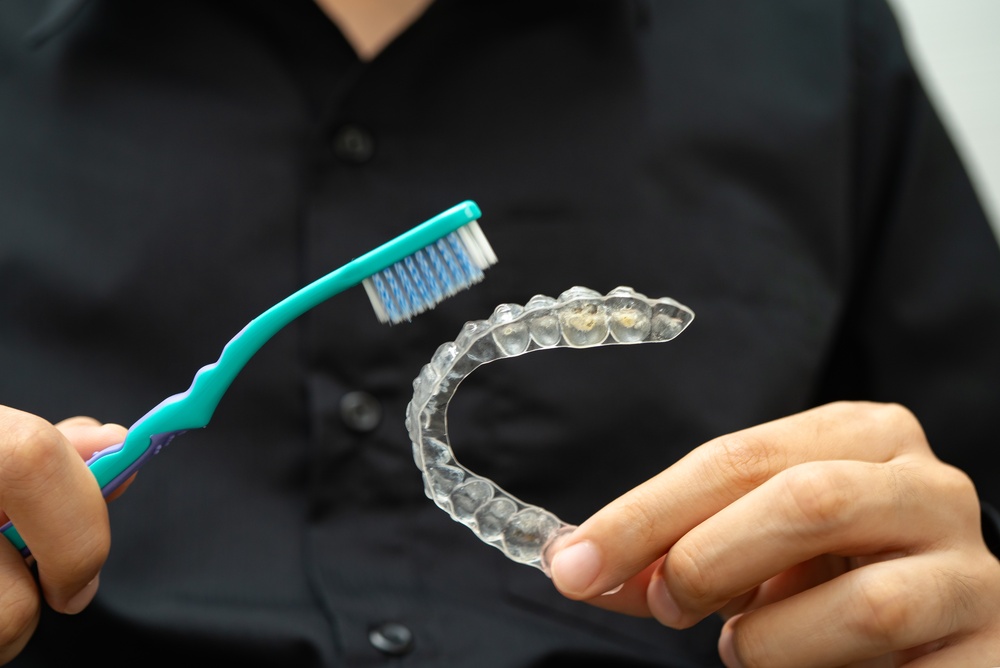
Orthodontic treatments are designed to move your teeth into the desired position. Braces, retainers, and clear aligners are all viable options for treatment if you cannot bite down properly. Braces are typically made up of brackets attached to the front of your teeth and connected by an archwire. Not only can braces be used to help realign crooked or overlapping teeth, but they can also be used to close any gaps between them. Retainers and clear aligners function much in the same way; however, retainers tend to be permanent fixtures on the back of your teeth and may require wire adjustments as needed, while clear aligners are a more modern form of orthodontics that rely on changing trays to help shift your teeth into place and require less frequent adjustments. The best option for you depends on your needs, but all three work effectively when treating misaligned bites.
Alternative Options for Those Who Cannot Afford Traditional Orthodontic Treatments
Orthodontic treatments, which often involve braces or aligners, can be costly and out of reach for many individuals who desire a straighter and healthier smile. Fortunately, alternative options are available for those who cannot afford traditional orthodontic treatments. One such solution is to seek treatment from a dental school or training institution, where dental students often provide services at a discounted rate under the supervision of experienced professionals. Another option is to explore mail-order aligner systems, which can be substantially more affordable and administered from home. In addition, patients can research community health centers and non-profit organizations that offer sliding fee scales or low-cost dental programs catering to those with limited financial resources. By considering these alternative pathways to creating the smile of their dreams, individuals can access the orthodontic treatment they need without breaking the bank.
Tips for Finding a Qualified Orthodontist and Getting the Best Results From Your Treatment Plan
Orthodontic treatment can significantly impact your dental health, appearance, and self-confidence. To ensure that you achieve the best possible results, finding a qualified, experienced orthodontist who genuinely cares about your needs is crucial. Start by asking for recommendations from friends, family, or your regular dentist, and then research online for reviews and testimonials. Verify the orthodontist’s credentials, including education, board certification, and years of experience. Schedule initial consultations with several candidates and observe their treatment approach and communication style – always trust your instincts in selecting the one who resonates with you. Once engaged in a treatment plan, follow your orthodontist’s instructions diligently, attend follow-up appointments, and maintain proper oral hygiene to ensure timely and satisfying outcomes, ultimately revealing your beautiful and healthy new smile.