


The world of orthodontics has evolved significantly over the years, going far beyond the traditional scope of merely straightening teeth. Today, orthodontic treatments also focus on correcting jaw problems that can cause functional and aesthetic issues. This article will walk you through common jaw problems and the available orthodontic solutions to treat them.
Jaw issues can range from mild inconveniences to severe discomfort, affecting everything from speech to digestion. This blog aims to provide essential information to help you understand these conditions better and take the first step toward treatment.
Types of Jaw Problems
Malocclusion
Malocclusion refers to the misalignment of the upper and lower teeth when the jaw closes, leading to problems like overbite, underbite, and crossbite. While malocclusion may be a hereditary issue, habits like thumb-sucking or prolonged bottle-feeding during childhood can also contribute. Not only can this problem affect your appearance, but it can also lead to difficulties in chewing and speaking.
If left untreated, malocclusion can result in other problems, including periodontal issues and increased wear on the enamel. In some severe cases, it can lead to jaw pain and Temporomandibular Joint Disorder (TMD). Treatment options range from braces to surgical interventions, depending on the severity of the misalignment.
Temporomandibular Joint Disorder (TMD)
TMD refers to various conditions that affect the temporomandibular joint, which connects the jaw to the skull. Symptoms can include jaw pain, difficulty chewing, and clicking or popping sounds when the jaw moves. The underlying cause can often be challenging to pinpoint, but factors like injury, stress, or tooth misalignment can contribute.
Orthodontic treatments for TMD aim to realign the bite and alleviate stress on the jaw joint. In some cases, corrective devices like splints or mouthguards can be used to reposition the jaw and relieve symptoms. Surgery may be considered in severe cases where conservative treatments fail to provide relief.
Treatment Options
Braces and Aligners
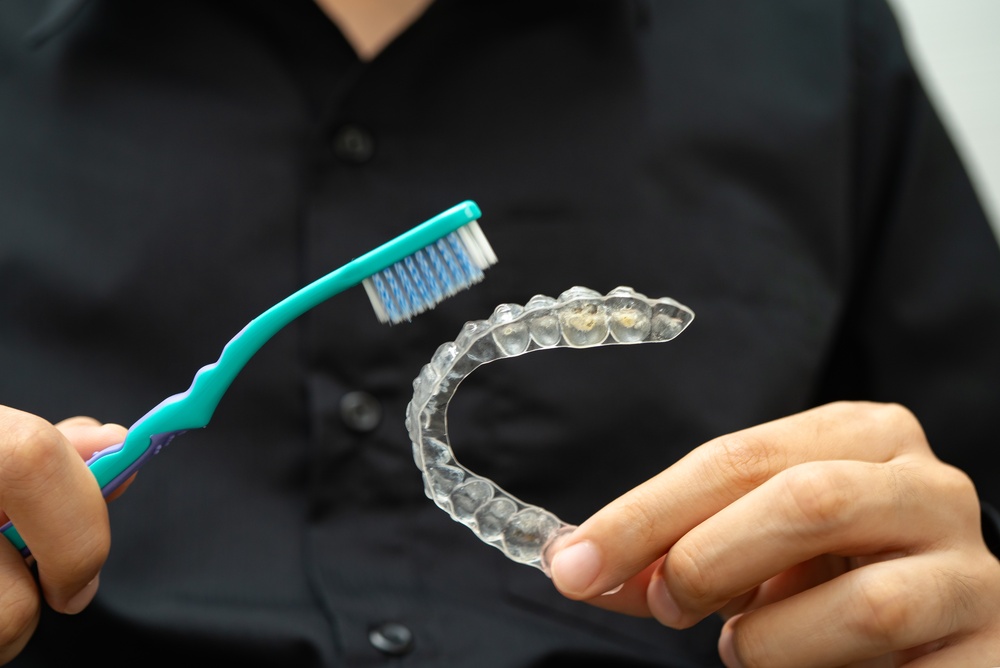
Traditional braces and clear aligners like Invisalign are the most common ways to treat jaw problems arising from tooth misalignment. They gradually shift teeth into their proper positions, helping to alleviate stress on the jaw joint and correct malocclusions. Though most people associate these treatments with teenagers, adults can also benefit from them.
Braces and aligners are often combined with other treatments for more severe jaw issues. They may precede or follow surgical interventions, helping to maintain the jaw’s new position post-surgery. For those reluctant to undergo surgical procedures, orthodontic treatments alone can sometimes provide sufficient correction and relief.
Orthognathic Surgery
Orthognathic surgery is often recommended for severe jaw problems that cannot be corrected by orthodontic treatments alone. This surgery involves repositioning the jaw bones and is usually followed by a period of orthodontic treatment to help maintain the new jaw position. The treatment aims to improve not just the appearance but also the function of the jaw.
Orthognathic surgery is usually recommended for cases where the jaw misalignment is causing significant functional problems, such as difficulty chewing, swallowing, or even breathing. While jaw surgery might seem daunting, the results are often transformative, providing patients with a balanced facial appearance and significantly improved quality of life.
Additional Treatment Methods
Dental Appliances
Dental appliances like splints, bite guards, and retainers can be custom-fitted to help treat various jaw problems. These devices can reposition the jaw, alleviate pain, or prevent harmful behaviors like teeth grinding, which exacerbate jaw issues. They are often used as a non-invasive first step in treatment or in conjunction with other orthodontic solutions.
The advantages of dental appliances include their non-invasive nature and the fact that they can be removed for cleaning or during certain activities. However, their effectiveness varies from case to case. They’re often best suited for mild to moderate jaw problems, as more severe cases may require surgical intervention.
Palatal Expanders
A palatal expander widens the upper jaw, creating more space for teeth to align properly. This is particularly useful in treating crossbites and overcrowding, often associated with jaw problems. The device is generally fitted in children and adolescents whose jawbones are still developing and are easier to manipulate.
Using a palatal expander can often prevent more severe jaw issues down the line. By addressing the problem early, it’s possible to set the stage for a healthy, well-aligned bite in adulthood. Though less commonly used in adults, palatal expanders can sometimes be part of a broader treatment strategy, including surgery.
Conclusion
Jaw problems can profoundly impact your quality of life, affecting not just how you look but also how you speak and eat. Thankfully, advancements in orthodontic treatments provide multiple avenues for correction and improvement. From braces and aligners to surgical options, you don’t have to live with the discomfort or aesthetic challenges that jaw problems often bring.
If you’re experiencing jaw pain or suspect you have a jaw problem that needs attention, don’t hesitate. Contact an orthodontic specialist for an evaluation. Let us help you take the first step toward a healthier, happier smile.