


As a parent, you want your child to have a healthy smile that lasts well beyond childhood. Regular brushing, flossing, dental cleanings, and cavity prevention are important, but tooth alignment and bite development also play a role in long-term oral health.
Orthodontic treatment isn’t only about creating straighter teeth. Crowding, spacing, and bite problems can make oral hygiene harder or affect how teeth function. Understanding the connection between orthodontics and dental health can help parents recognize potential concerns and make informed decisions about their child’s care.
At Viva Smiles, we help families understand their orthodontic options and what they can do to keep children’s teeth healthy before, during, and after treatment.
How Orthodontics and Dental Health Work Together
Straighter Teeth Can Be Easier to Clean
When teeth overlap or are crowded, brushing and flossing certain areas can become more difficult. Plaque can remain in hard-to-reach spaces, increasing the risk of tooth decay and gum inflammation.
Correcting significant alignment problems can make it easier to clean your teeth thoroughly. This is one reason orthodontics and dental health are closely connected. A properly aligned smile can support good oral hygiene long after treatment is complete.
A Healthy Bite Is Important
Orthodontic care also addresses how the upper and lower teeth fit together. Problems such as overbites, underbites, crossbites, and open bites may affect how a child bites and chews.
An orthodontic evaluation can identify these concerns and determine whether treatment is necessary.
When Should Your Child Have an Orthodontic Evaluation?
Parents don’t always need to wait until all of their child’s permanent teeth have erupted before scheduling an orthodontic evaluation.
Early Evaluations Can Identify Developing Problems
An early orthodontic evaluation gives a professional an opportunity to examine how your child’s teeth and jaws are developing. Having an evaluation doesn’t necessarily mean your child will need braces immediately.
Some children benefit from earlier intervention, while others may simply need their development monitored until they are ready for comprehensive treatment.
Parents may want to ask about an orthodontic evaluation if they notice:
- Crowded or overlapping teeth
- Large or unusual gaps
- Difficulty biting or chewing
- Teeth that don’t meet normally
- Early or late loss of baby teeth
- Prolonged thumb or finger sucking
- A jaw that appears noticeably uneven
These signs don’t automatically mean treatment is required. An evaluation can help determine whether there is a concern and what the next step should be.
Keeping Teeth Healthy Before Orthodontic Treatment
Healthy teeth and gums provide an important foundation for orthodontic care. You may need to address existing dental problems before starting braces or aligners.
Continue Regular Dental Care
Your child’s dentist and orthodontist have different but complementary roles. A general dentist provides preventive and restorative care, such as cleanings, cavity detection, fillings, and gum health monitoring. An orthodontist focuses on moving teeth and aligning the bite.
Orthodontic appointments don’t replace regular dental checkups. Children should continue visiting their dentist throughout treatment to help keep their teeth and gums healthy.
Build Good Habits Early
Before orthodontic treatment begins, encourage your child to brush thoroughly and floss every day. Having a strong routine beforehand makes adjusting to braces or aligners much easier.
Children should understand that orthodontic treatment requires teamwork. The orthodontist can straighten the teeth, but the patient must keep them clean and follow treatment instructions at home.
Maintaining Dental Health With Braces
Traditional braces are effective for many orthodontic concerns, but brackets and wires create additional places where food and plaque can collect.
Brushing and Flossing Require Extra Attention
Children with braces should carefully brush around brackets, along the gumline, and on every surface of their teeth. A soft-bristled or electric toothbrush can be helpful.
Flossing may take longer with braces, but it remains essential. Floss threaders, orthodontic flossers, interdental brushes, or water flossers can make cleaning around wires easier.
Maintaining these habits is an important part of protecting both orthodontics and dental health during treatment.
Maintaining Dental Health With Clear Aligners
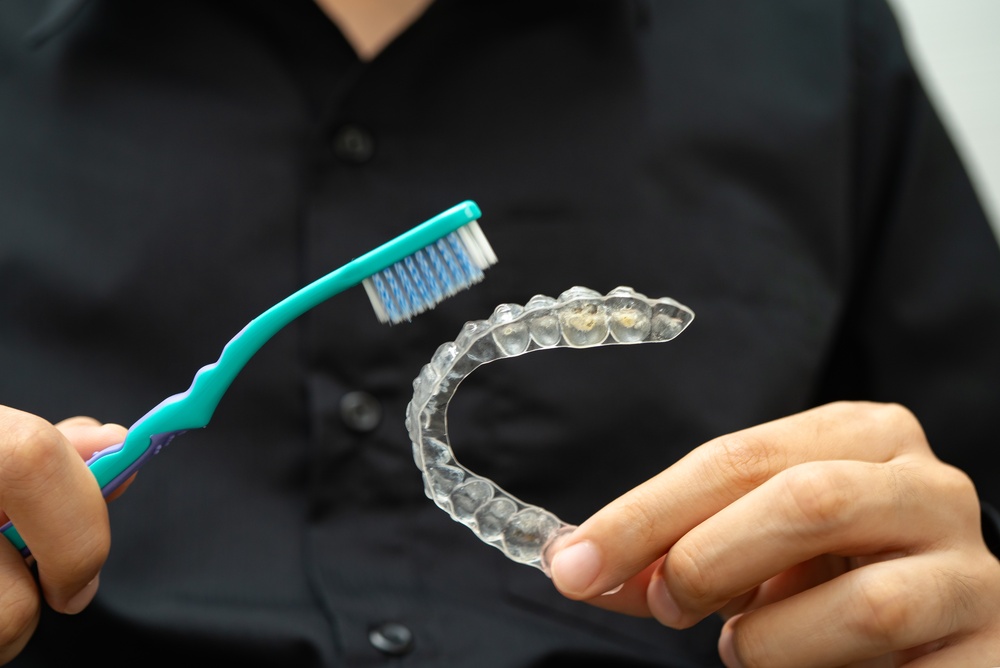
Clear aligners offer a different experience because you can remove the trays to eat, brush, and floss.
Clean Teeth and Aligners Matter
Teens should remove their aligners before eating and follow their orthodontist’s instructions for cleaning both their teeth and trays. Putting aligners back over teeth that haven’t been properly cleaned can trap food particles and bacteria.
Clear aligners also require responsibility. They must be worn for the recommended amount of time each day and stored safely whenever they’re removed.
For responsible teens, removable aligners can make oral hygiene convenient. For children who are likely to lose trays or forget to wear them, fixed braces may be a more practical option.
Food Choices During Orthodontic Treatment
Diet can affect both orthodontic appliances and dental health.
Protect Braces From Damage
Children with braces should avoid especially hard, sticky, or chewy foods that could loosen brackets or damage wires. These may include hard candy, sticky caramel, ice, popcorn kernels, and chewing gum.
Healthy crunchy foods don’t necessarily have to disappear. Foods such as apples and raw vegetables can often be cut into small, manageable pieces rather than bitten into whole.
Limit Frequent Sugar
Frequent sugary foods and beverages can increase the risk of cavities, especially when plaque becomes trapped around orthodontic appliances.
Encourage water as an everyday drink and keep sugary treats occasional. Good brushing and flossing habits are especially important after consuming sweets.
What Happens When Oral Hygiene Is Neglected?
Braces themselves don’t cause cavities. However, problems can develop when plaque repeatedly builds up around brackets, wires, or the gumline.
Plaque buildup may contribute to cavities, gum inflammation, bad breath, or areas of enamel demineralization that can appear as white spots on the teeth.
Parents can help younger patients by occasionally checking their brushing and making sure they’re cleaning difficult-to-reach areas. If gums remain swollen or bleed frequently, discuss the problem with your dental team.
Helping Your Child Build Healthy Habits
Orthodontic treatment gives children and teens an opportunity to take more responsibility for their oral health.
A simple daily routine may include:
- Brushing thoroughly in the morning and before bed
- Cleaning teeth after meals when possible
- Flossing every day
- Cleaning removable appliances
- Wearing aligners or elastics as instructed
- Keeping orthodontic supplies available when away from home
Rather than making these responsibilities feel like punishment, help your child understand their purpose. The goal isn’t simply to have straight teeth when the braces come off. It’s to finish treatment with a smile that is both straight and healthy.
Regular Dental and Orthodontic Visits Matter
Regular orthodontic appointments allow the orthodontist to monitor tooth movement, evaluate the bite, and make necessary adjustments. Dental checkups and cleanings also protect teeth and gums during treatment.
Keeping both types of appointments is one of the simplest ways parents can support successful treatment. If a problem develops, identifying it early can prevent it from becoming a larger concern.
Protecting Your Child’s Smile After Treatment
Finishing braces or clear aligners is exciting, but maintaining the results requires continued care.
Retainers Help Maintain Alignment
After active orthodontic treatment, your child will typically receive a retainer. Teeth can naturally shift over time, so wearing the retainer as directed by the orthodontist is essential to maintain the new alignment.
The healthy habits developed during treatment should continue. Regular brushing, flossing, dental cleanings, and preventive care will help protect the finished smile for years to come.
Final Thoughts on Orthodontics and Dental Health
Understanding orthodontics and dental health as connected parts of your child’s care can make the treatment process much easier to navigate. Orthodontics can improve alignment and bite function, while consistent dental care helps keep teeth and gums healthy throughout the process.
Parents can make a major difference by encouraging good oral hygiene, keeping regular dental and orthodontic appointments, and helping children follow treatment instructions at home.
At Viva Smiles, we help families understand every stage of orthodontic and dental care. Whether you’re wondering if your child is ready for an orthodontic evaluation or need guidance on maintaining healthy teeth during treatment, our team is here to help.
Call Viva Smiles at (714) 530-8482 or visit our website to learn more and schedule an appointment.
Frequently Asked Questions
- Does my child still need regular dental cleanings while wearing braces?
Yes. Orthodontic appointments don’t replace routine dental care. Regular checkups and professional cleanings help prevent cavities and monitor the health of your child’s teeth and gums throughout orthodontic treatment.
- Does an orthodontic evaluation mean my child will need braces immediately?
No. An evaluation may show that your child’s teeth and jaws are developing normally or that treatment would be more appropriate later. In some cases, the orthodontist will simply monitor development.
- Are braces or clear aligners easier to keep clean?
Clear aligners can make brushing and flossing easier because they’re removable. Braces require additional cleaning around brackets and wires. However, both treatments can support excellent dental health when patients consistently follow proper oral hygiene routines.