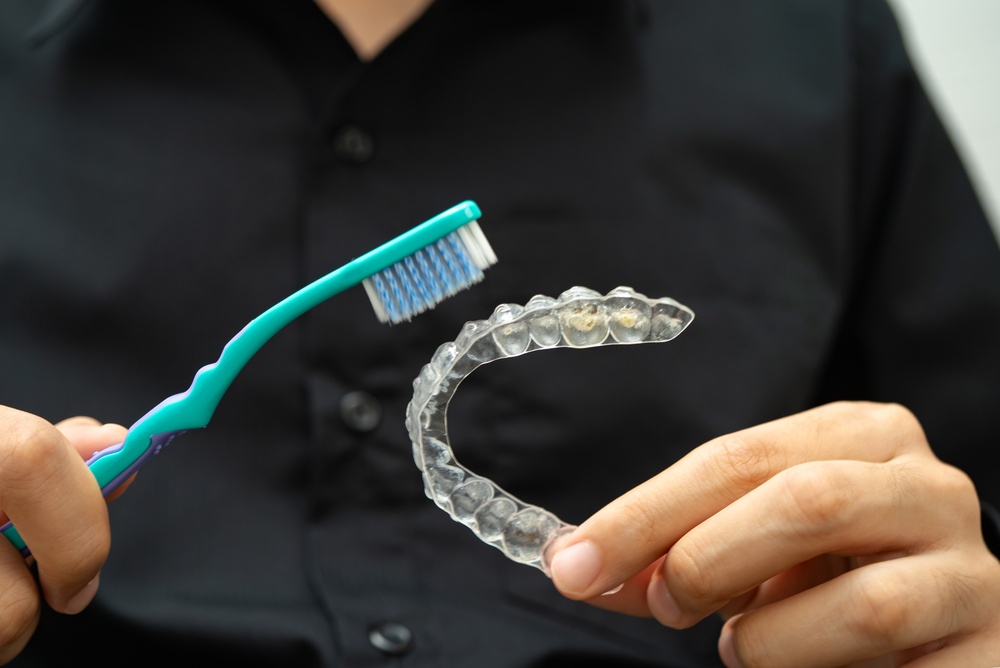


Being a teenager comes with plenty of changes, and your smile is no exception. Whether you’re getting braces for the first time, considering clear aligners, or already halfway through orthodontic treatment, taking care of your teeth is an important part of achieving a healthy, confident smile.
Orthodontic treatment isn’t just about making your teeth look straighter. It can also improve your bite, make certain areas easier to clean, and support your long-term oral health. However, getting the best results requires more than simply showing up for orthodontic appointments. Your everyday habits play a major role in keeping your teeth and gums healthy throughout treatment.
Understanding the connection between orthodontics and dental health can help you avoid common problems, protect your smile, and make the treatment process easier.
At Viva Smiles, we understand that teenagers have busy schedules filled with school, sports, friendships, and activities. That’s why we’re sharing practical tips to help you maintain excellent dental health without making orthodontic care feel overwhelming.
Why Orthodontic Treatment Matters for Teens
Orthodontic treatment can improve much more than the appearance of your teeth. Proper alignment contributes to a healthier, more functional smile.
Straighter Teeth Can Be Easier to Clean
When teeth are crowded, overlapping, or positioned incorrectly, brushing and flossing can become more challenging. Food particles and plaque may collect in areas that are difficult to reach.
Orthodontic treatment can correct these alignment problems, making it easier to maintain good oral hygiene once treatment is complete. This is one reason orthodontic care can provide benefits that last well beyond your teenage years.
Improving Your Bite
Your bite describes how your upper and lower teeth fit together when you close your mouth.
Problems such as overbites, underbites, crossbites, and open bites may affect how you chew or cause uneven wear on certain teeth.
Orthodontic treatment can help correct these concerns, improving how your teeth function together.
Choosing the Right Orthodontic Treatment
Today’s teenagers have several orthodontic options. The best choice depends on your dental needs, lifestyle, and ability to follow treatment instructions.
Traditional Metal Braces
Metal braces remain a popular option because they’re effective for treating a wide range of orthodontic problems.
Modern braces are smaller and more comfortable than older designs. They also stay attached to your teeth, so you don’t have to remember to put them back in after eating.
However, braces require additional attention when brushing and flossing, and certain foods must be avoided to prevent damage.
Clear Aligners
Clear aligners offer a less noticeable way to straighten teeth. These removable trays gradually move your teeth into their proper positions.
Many teens appreciate being able to remove aligners for meals, brushing, and flossing.
However, aligners require responsibility. They generally need to be worn for approximately 20–22 hours daily, depending on your orthodontist’s instructions.
At Viva Smiles, we help patients understand their options and choose treatment based on their individual orthodontic needs.
How to Brush and Floss With Braces
Keeping your teeth clean is especially important when you have braces. Brackets and wires create additional spaces where food and plaque can accumulate.
Brush Carefully Around Brackets
Use a soft-bristled toothbrush and fluoride toothpaste to clean every surface of your teeth.
Pay special attention to:
- Areas above and below brackets
- The gumline
- Spaces between teeth
- Chewing surfaces
- The backs of your teeth
Brushing after meals can help remove food trapped around your braces. If brushing isn’t possible, rinsing your mouth with water is a helpful temporary step.
Don’t Skip Flossing
Flossing with braces takes extra effort, but it’s essential for preventing plaque buildup between your teeth.
Floss threaders, orthodontic flossers, interdental brushes, and water flossers can make cleaning around wires easier.
The key is consistency. Spending a few extra minutes on dental hygiene each day can help prevent cavities and gum problems during treatment.
Taking Care of Clear Aligners
Clear aligners make brushing and flossing more convenient, but they still require proper maintenance.
Keep Your Aligners Clean
Remove your aligners before eating or drinking anything other than plain water, unless your orthodontist instructs otherwise.
Before putting them back in, clean your teeth whenever possible and follow the recommended instructions for cleaning your trays.
Avoid using hot water on aligners because excessive heat can distort their shape.
Remember to Wear Them
One of the biggest challenges with clear aligners is remembering to wear them consistently.
Leaving your aligners out for extended periods can interfere with tooth movement and potentially delay treatment.
Consider setting reminders on your phone or building aligner care into your daily routine.
Foods and Drinks That Affect Orthodontic Treatment
Your diet can influence both the condition of your orthodontic appliances and your overall dental health.
Foods to Avoid With Braces
Certain foods can damage brackets or wires, leading to unexpected orthodontic appointments.
Examples include:
- Hard candy
- Sticky caramel
- Popcorn kernels
- Ice
- Hard nuts
- Chewy candy
You can still enjoy many of your favorite foods with a few adjustments. For example, cutting apples into smaller pieces can make them easier to eat without putting unnecessary pressure on brackets.
Be Careful With Sugary Drinks
Soda, energy drinks, sweetened coffee, and sports drinks can expose your teeth to sugar and acids.
Frequent consumption may increase your risk of cavities and enamel erosion, especially when you’re wearing braces.
Water is an excellent everyday choice because it helps rinse away food particles without exposing your teeth to added sugar.
Maintaining healthy eating and drinking habits supports both your orthodontic treatment and your overall dental health.
Common Dental Problems During Orthodontic Treatment
Even with careful treatment planning, certain dental problems can develop if oral hygiene is neglected.
White Spots on Teeth
White spots may appear when plaque remains on tooth surfaces for extended periods, causing enamel to lose minerals.
These areas can become particularly noticeable after braces are removed.
Brushing thoroughly, using fluoride toothpaste, and attending regular dental appointments can help reduce this risk.
Swollen or Bleeding Gums
Plaque buildup near the gumline can cause inflammation, resulting in redness, swelling, or bleeding.
If your gums bleed frequently, don’t simply stop cleaning the area. Continue gentle brushing and flossing, and let your dental team know if the problem persists.
Healthy gums are an important part of achieving successful orthodontic results.
Managing Orthodontic Treatment at School
School can make orthodontic care a little more complicated, especially when you’re eating lunch away from home or participating in extracurricular activities.
Create a Small Dental Care Kit
Keeping a few supplies in your backpack can make maintaining oral hygiene much easier.
Consider including:
- Travel toothbrush
- Small tube of fluoride toothpaste
- Orthodontic flossers
- Orthodontic wax
- Small mirror
- Aligner case, if applicable
Having these supplies available can help you manage unexpected situations without disrupting your day.
Protect Your Teeth During Sports
If you play contact sports, wearing a properly fitted orthodontic mouthguard is important.
A mouthguard can help protect your teeth, lips, cheeks, and orthodontic appliances from injury.
Ask your orthodontist which type of mouthguard is appropriate for your treatment. Standard mouthguards may not fit properly over braces.
What to Do When Something Goes Wrong
Occasionally, orthodontic appliances can become uncomfortable or damaged.
A loose bracket, poking wire, or broken aligner may require attention from your orthodontist.
Handling Minor Discomfort
Mild soreness is common after braces are adjusted or when beginning a new set of aligners.
Soft foods and a warm saltwater rinse may provide temporary relief. Orthodontic wax can also help protect the inside of your cheeks or lips from irritating brackets.
If discomfort is severe, persistent, or accompanied by unusual swelling, contact your orthodontist.
Know When to Call
Contact your orthodontic office if a bracket breaks, a wire becomes loose, or an appliance no longer fits correctly.
Avoid attempting major adjustments yourself. Professional guidance can help prevent additional damage or treatment delays.
Why Regular Appointments Are Important
Orthodontic appointments allow your orthodontist to monitor progress, make adjustments, and ensure your treatment is moving in the right direction.
However, regular orthodontic visits don’t replace routine dental cleanings and examinations.
Your dentist continues monitoring for cavities, gum inflammation, and other oral health concerns while your orthodontist focuses on alignment and bite correction.
Keeping both types of appointments helps protect your smile throughout treatment.
Life After Braces or Clear Aligners
Finishing orthodontic treatment is exciting, but maintaining your results requires continued effort.
Wear Your Retainer
After braces are removed or aligner treatment is completed, your orthodontist will typically provide a retainer.
Retainers help prevent teeth from shifting back toward their previous positions.
Following your retainer schedule is essential for maintaining your newly aligned smile.
Continue Healthy Habits
The brushing, flossing, and dietary habits you develop during treatment should continue afterward.
Consistent oral hygiene and regular dental appointments help keep your teeth healthy long after treatment ends.
Final Thoughts on Orthodontics and Dental Health for Teens
Understanding the relationship between orthodontic care and dental health can make a big difference in your treatment experience. Whether you’re wearing traditional braces or clear aligners, your daily habits help determine how healthy your smile will be when treatment is complete.
Taking a few extra minutes to brush, floss, care for your appliances, and follow your orthodontist’s instructions can help prevent unnecessary problems and keep your progress on track.
At Viva Smiles, we’re committed to helping teens feel comfortable and confident throughout their orthodontic journey. Our team provides personalized care and practical guidance to help patients maintain healthy teeth while working toward straighter smiles.
Ready to learn more about your orthodontic options? Call Viva Smiles at (714) 530-8482 or visit our website to schedule an appointment today!
Frequently Asked Questions
- Can I still eat my favorite foods while wearing braces?
Yes, although some foods may need to be modified or avoided. Soft foods are generally easier to eat, while hard, sticky, and chewy foods can damage brackets or wires. Cutting certain foods into smaller pieces can also help protect your braces. - How often should I brush my teeth during orthodontic treatment?
You should brush at least twice daily with fluoride toothpaste and floss every day. If you have braces, brushing after meals whenever possible can help remove trapped food. Your orthodontist may recommend additional cleaning tools. - Will my teeth stay straight after orthodontic treatment?
Teeth can naturally shift over time, even after successful treatment. Wearing your retainer according to your orthodontist’s instructions helps maintain your results and protect your new smile.