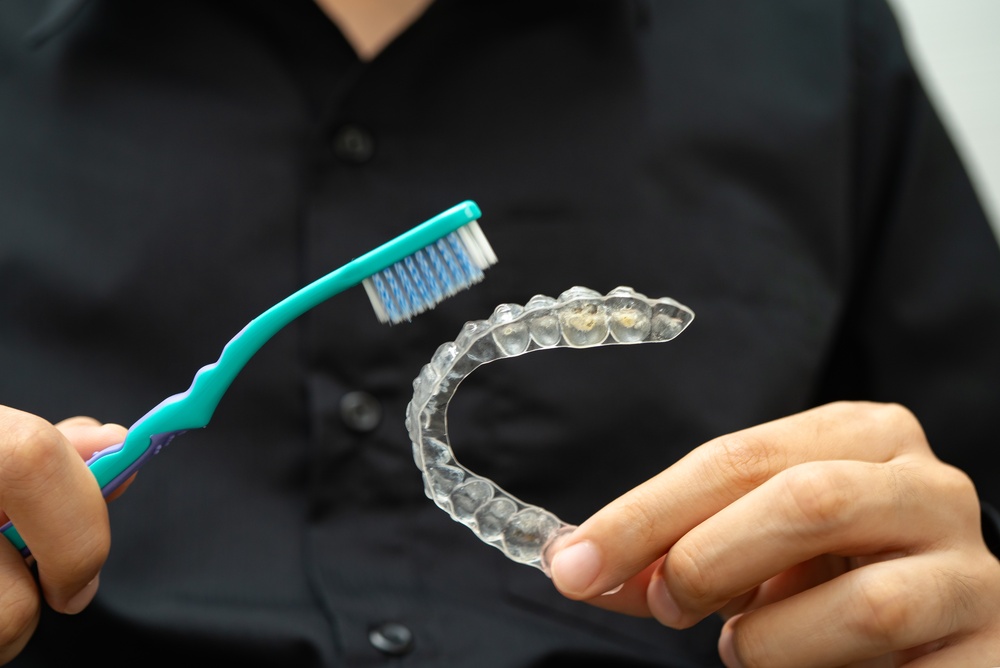


Orthodontic treatments, such as braces and aligners, are primarily sought for their significant benefits in improving dental health and aesthetics. However, many patients and their families are curious or sometimes concerned about how these treatments might impact speech. Understanding the relationship between orthodontics and speech is essential for anyone considering or undergoing orthodontic treatment. This article will delve into what you need to know about orthodontics, how they can affect speech, and strategies to mitigate any negative impacts.
Orthodontic appliances can temporarily affect your speech patterns. When braces or aligners are first applied, you may notice a slight lisp or difficulty pronouncing certain sounds. This is a normal adjustment period as your mouth learns to navigate the new landscape. However, it’s important to note that these effects are generally temporary, and numerous strategies exist to adapt quickly and effectively.
The Impact of Orthodontics on Speech
Initial adjustments to speech
When orthodontic appliances are first fitted, they introduce a foreign object into the mouth, which can temporarily alter speech. The tongue and soft palate must adapt to the new space constraints, which can affect the production of certain sounds, particularly sibilants like “s” and “z.” This adjustment period varies among individuals but typically lasts only a few weeks as the oral structures adapt to the braces or aligners.
The severity of speech changes depends on several factors, including the type of orthodontic appliance, the individual’s natural speech patterns, and the specific positioning of the teeth and appliances. For instance, lingual braces, which are attached to the back of the teeth, may have a more pronounced initial impact on speech than traditional braces or clear aligners.
Long-term speech benefits
Orthodontic treatments can offer long-term benefits to speech. Malocclusions, such as overbites, underbites, and crossbites, can significantly impact articulation and clarity of speech. By correcting these dental misalignments, orthodontics can enhance speech quality, making it easier for individuals to pronounce certain sounds and words more clearly. This improvement in speech can boost self-confidence and facilitate better communication.
Furthermore, orthodontic treatments that correct jaw alignment issues can also positively impact speech. Misalignments of the jaw can contribute to speech disorders, including lisps and difficulties in articulating sounds. The correction of these structural issues not only improves dental health and appearance but also supports more natural and effective speech patterns.
Coping with Speech Changes During Orthodontic Treatment
Speech therapy and exercises
Speech therapy can be an effective solution for individuals experiencing significant speech changes during orthodontic treatment. Speech therapists can provide targeted exercises and strategies to adjust to the orthodontic appliances more quickly. These exercises often focus on improving tongue placement and strengthening speech muscles, helping minimize lisps or distortions.
Practicing specific speech exercises at home can also accelerate the adjustment period. Simple exercises that can include reading aloud, singing, or repeating difficult sounds can help the mouth adapt to orthodontic appliances. Consistency with these practices can significantly reduce the time it takes for speech to return to normal.
Patience and communication
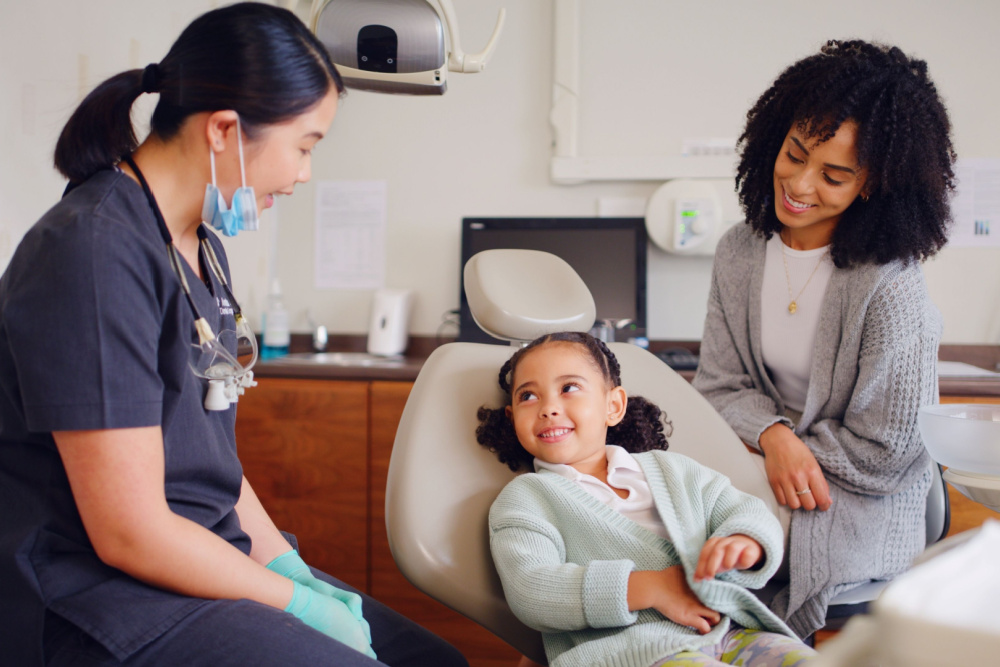
Patients need to maintain open communication with their orthodontist about any speech concerns. Orthodontists can offer reassurance, modify appliances if necessary, and provide additional tips for coping with temporary speech changes. Patients should also be patient with themselves, understanding that slight adjustments in speech are normal and typically temporary.
Family and friends can play a supportive role by being patient and encouraging. Positive reinforcement and understanding can help individuals feel more comfortable adjusting to their orthodontic treatment and any temporary speech changes.
Conclusion
Orthodontic treatments profoundly impact dental health and aesthetics, and while they may temporarily affect speech, the benefits far outweigh the initial adjustment period. Most individuals quickly adapt to their appliances, with any speech changes being temporary and manageable. Moreover, the long-term benefits of orthodontics include improved dental health and aesthetics and enhanced speech clarity and quality.
Are you looking for a family orthodontist in Garden Grove? If so, please get in touch with us.