

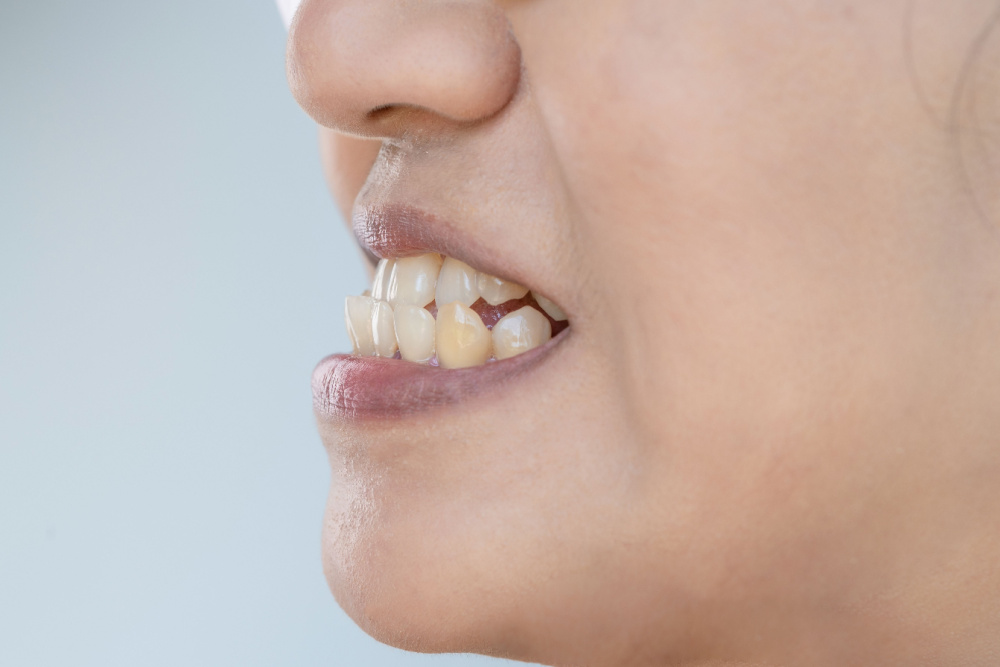
Orthodontic issues such as overbite and underbite affect the alignment of teeth and have broader implications for oral health and aesthetics. An overbite occurs when the upper teeth protrude significantly over the lower teeth, while an underbite is characterized by the lower teeth extending beyond the upper teeth. Both conditions can lead to difficulties in chewing and speaking and may cause wear and tear on the teeth. Beyond the functional impact, these misalignments can affect one’s appearance and self-esteem, making effective treatment important for both physical health and psychological well-being. Treating these issues improves the function of the teeth and jaw and enhances facial aesthetics, contributing to overall confidence and quality of life.
Understanding the Impact of Overbite and Underbite
Overbite and underbite conditions present several functional and health challenges that can significantly impact an individual’s daily life. Functionally, these misalignments can complicate basic actions like chewing and speaking. An overbite might lead to excessive wear on the lower teeth, heightening the risk of decay and gum disease. In contrast, an underbite can strain the jaw, increasing the likelihood of joint disorders. Additionally, these conditions often contribute to speech impediments, which can be frustrating and embarrassing.
The psychological impact of overbites and underbites is also profound. Individuals with noticeable dental issues may feel self-conscious about their appearance, leading to decreased self-esteem and reluctance to smile or engage in social interactions. This can affect personal relationships and professional opportunities, making individuals hesitant to participate fully in various aspects of life. Addressing these conditions improves physical health and enhances mental well-being by boosting confidence and social engagement.
Exploring Orthodontic Treatment Options
Various orthodontic treatments are available to correct overbites and underbites, each with specific advantages and considerations. Traditional metal braces are highly effective for severe misalignments and are commonly used due to their reliability and cost-effectiveness. However, they are also the most visible option, which might be a concern for some, especially adults.
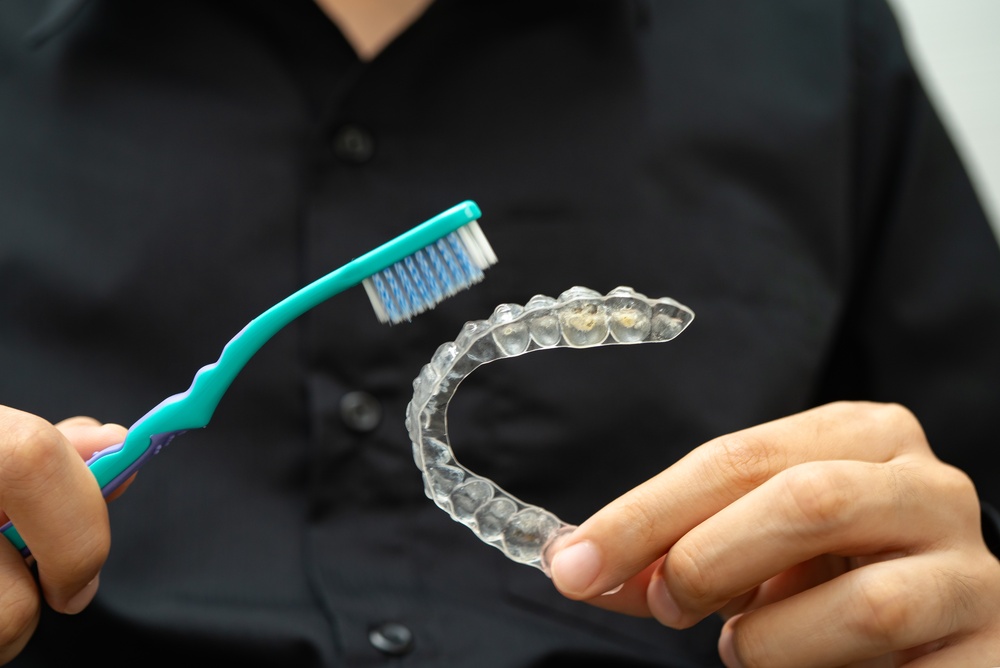
Clear aligners like Invisalign offer a less noticeable treatment option, ideal for adults and teens concerned about the aesthetic of braces. Removable aligners make eating and oral hygiene more manageable, though they may not be suitable for the most severe cases.
Surgical options are considered for extreme cases where orthodontics alone cannot completely correct the alignment. Orthognathic surgery, combined with braces, can resolve functional issues associated with severe underbites and overbites. While surgery offers dramatic and often faster results, it also entails a higher risk and a more extended recovery period.
Each of these treatment modalities has pros and cons. The choice of treatment often depends on the severity of the misalignment, the patient’s lifestyle, and their aesthetic preferences. Traditional braces are often preferred for children due to their effectiveness, while adults may opt for clear aligners for their subtlety and convenience.
Expected Outcomes
Setting realistic expectations for orthodontic treatment of overbites and underbites is crucial for patient satisfaction and overall success. The duration of treatment varies depending on the severity of the misalignment and the chosen treatment method. Typically, traditional braces require anywhere from 18 months to 3 years, while clear aligners, often used for less severe cases, may take between 12 to 18 months. Surgical options can significantly shorten the orthodontic phase, including pre-surgical preparation and recovery time.
Patients can expect a notable transformation in both dental function and appearance post-treatment. Correcting an overbite or underbite improves the aesthetic alignment of teeth and enhances chewing efficiency and speech clarity. This functional improvement significantly contributes to better oral health, reducing risks of tooth decay and gum diseases due to easier maintenance and cleaning. Overall, the journey through orthodontic treatment can lead to a dramatic enhancement in life quality, providing both functional benefits and a more confident smile.
Conclusion
Correcting overbites and underbites through orthodontic treatments offers profound benefits extending beyond aesthetics. These treatments correct functional issues like chewing and speech difficulties and significantly reduce the risk of future dental problems. Additionally, achieving a balanced, symmetrical smile can significantly enhance self-esteem and social interactions, ultimately improving overall quality of life.
Don’t let dental misalignments hold you back. Schedule a consultation at Viva Smiles to receive a personalized treatment plan tailored to your unique needs. Our experienced team is dedicated to transforming smiles and lives through expert orthodontic care. Contact Viva Smiles today to take the first step towards a healthier, more confident you.