


Orthodontic treatment is well known for improving smiles and correcting bite issues, but many patients and parents also wonder how it might affect speech. Whether you’re considering braces or clear aligners, it’s natural to ask: Will this change the way I talk? The answer is nuanced. While orthodontic appliances can temporarily influence speech, they can also correct underlying issues that affect clarity and pronunciation in the long term.
At Viva Smiles, we believe that understanding orthodontic treatment and speech helps patients feel confident and prepared. In this guide, we’ll explain how different appliances interact with speech, what changes you might notice, how long they last, and how to adapt quickly.
How Speech Works: A Quick Overview
The Role of Teeth, Tongue, and Lips
Clear speech relies on precise coordination between your tongue, lips, teeth, and airflow. Sounds like “s,” “th,” and “f” require the tongue and lips to touch specific parts of the teeth and mouth.
Why Alignment Matters
When teeth are crowded, spaced, or misaligned, the tongue may struggle to find the right position for certain sounds. This is one reason some patients experience speech challenges before orthodontic treatment even begins.
Will Braces Affect Speech?
Temporary Adjustment Period
Traditional braces (metal or ceramic) are bonded to the front of the teeth. Because they add small brackets and wires, you may notice a slight difference in how your lips and tongue move at first.
Common Changes
- Mild lisp, especially with “s” sounds
- Increased awareness of the lips touching the brackets
- Slight changes in pronunciation speed
How Long It Lasts
For most patients, any speech changes with braces are mild and temporary. The mouth typically adapts within a few days to a couple of weeks as muscles adjust.
Do Clear Aligners Affect Speech?
Thin but Noticeable
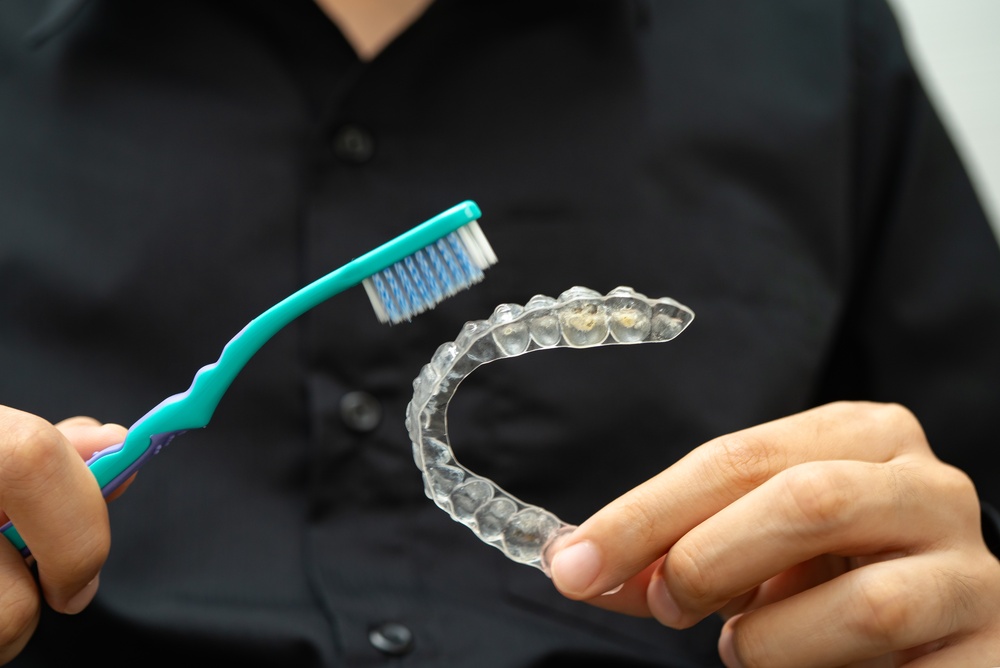
Clear aligners like Invisalign fit snugly over the teeth. Although they’re thin, they still create a barrier between the tongue and the teeth.
Common Changes
- Temporary lisp, especially with “s” and “sh” sounds
- Slight change in airflow patterns
Adjustment Timeline
Most patients adapt quickly—often within a few days. Because aligners are removable, some patients practice speaking with them in to speed up adaptation.
Lingual Braces and Speech
Placed Behind the Teeth
Lingual braces are attached to the back (tongue side) of the teeth. Because they sit where the tongue naturally rests, they can have a more noticeable effect on speech initially.
What to Expect
- Temporary lisp or altered pronunciation
- Increased tongue awareness
Adaptation
Speech typically improves within a few weeks as the tongue learns to move around the brackets.
Orthodontic Treatment and Speech in the Long Term
While some appliances may temporarily affect speech, orthodontic treatment and speech are positively connected over time.
Correcting Bite Issues
Problems such as overbites, underbites, and open bites can interfere with speech production. Aligning the teeth and jaws helps create proper contact points for clearer speech.
Reducing Lisping Caused by Alignment
In some cases, spacing or misalignment causes persistent lisps. Orthodontic correction can resolve these underlying causes.
Supporting Speech Therapy Goals
For children receiving speech therapy, orthodontic treatment can complement therapy by improving the physical structure needed for correct pronunciation.
Tips for Adapting to Speech Changes
Practice Speaking Regularly
Reading out loud helps your tongue and lips adjust faster. Focus on words with “s,” “sh,” and “th” sounds.
Stay Consistent with Appliances
Wearing aligners or elastics as instructed allows your mouth to adapt more quickly and consistently.
Be Patient with Yourself
Minor speech changes are normal and temporary. Most people won’t even notice them as much as you do.
Use a Mirror for Practice
Watching your mouth movements while speaking can help you adjust more quickly.
When to Be Concerned About Speech Changes
In most cases, speech changes are temporary. However, you should contact your orthodontist if:
- Speech difficulties persist beyond a few weeks
- You experience significant discomfort while speaking
- Your appliance feels loose or improperly fitted
At Viva Smiles, we closely monitor patient comfort and can make adjustments as needed.
Speech and Children in Orthodontic Treatment
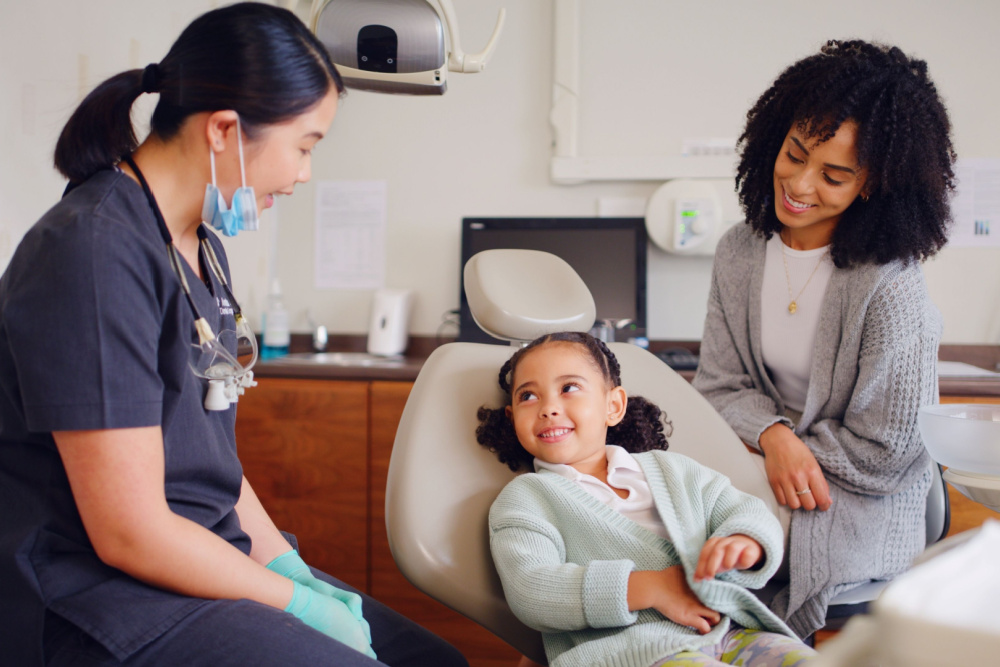
Children may be more sensitive to speech changes because they are still developing language skills. Understanding orthodontic treatment and speech in younger patients helps parents support them effectively.
Helping Kids Adjust
- Encourage them to practice speaking and reading aloud
- Reassure them that changes are temporary
- Celebrate progress as they adapt
Most children adjust quickly and regain normal speech patterns within a short time.
The Role of Orthodontists in Supporting Speech
Orthodontists consider more than just alignment—they also evaluate how treatment may affect speech and overall oral function. The connection between orthodontic treatment and speech is part of a comprehensive care approach.
At Viva Smiles, we take a well-rounded approach, ensuring that treatment supports both aesthetics and function, including speech clarity.
Final Thoughts on Orthodontic Treatment and Speech
The relationship between orthodontic treatment and speech is usually positive, even if there are small, temporary adjustments at the beginning. While you may notice minor changes at first, most patients adapt quickly and return to normal speech within days or weeks.
Even more importantly, orthodontic treatment can improve speech in the long run by correcting alignment and bite issues that interfere with clear pronunciation. With proper guidance and a little patience, you can be confident that your treatment supports both your smile and your ability to communicate clearly.
At Viva Smiles, we’re here to guide you every step of the way. If you have questions about orthodontic treatment and speech, our team is always ready to help.
Call us today at (714) 530-8482 or visit our website to schedule your consultation!
Frequently Asked Questions
- Will braces give me a permanent lisp?
No. Any lisp caused by braces is temporary and usually disappears as your mouth adjusts. - How can I fix a lisp caused by aligners?
Practice speaking, especially words with “s” sounds, and wear your aligners consistently to speed up adaptation. - Do all orthodontic patients experience speech changes?
Not all patients notice changes, and for those who do, the effects are typically mild and short-lived.