


Teeth grinding, also known as bruxism, is a common dental condition that affects people of all ages. Many people who grind their teeth do so unconsciously, often during sleep or periods of stress. However, the causes of bruxism can be diverse, including misalignment of teeth and jaws, anxiety, or even certain lifestyle factors. Orthodontics can significantly manage and prevent teeth grinding by addressing structural issues in the mouth. This comprehensive article will explore how orthodontics relates to teeth grinding, effective treatments available, and how proper dental care can provide lasting relief and protection for your smile.
Understanding Teeth Grinding (Bruxism)
Bruxism is characterized by repetitive grinding or clenching of teeth, often occurring unconsciously during sleep. Many individuals are unaware that they have bruxism until symptoms such as jaw pain, headaches, or tooth sensitivity arise. Teeth grinding can be categorized as either awake bruxism, typically related to stress or emotional triggers, or sleep bruxism, commonly associated with physiological factors or sleep disorders. Understanding the underlying reasons behind your grinding habits is crucial for effective treatment and management.
Common symptoms of bruxism include worn-down teeth, cracked or chipped enamel, heightened tooth sensitivity, and jaw muscle discomfort. Chronic teeth grinding can also contribute to serious dental health concerns, including temporomandibular joint disorder (TMJ), gum recession, and tooth loss. Therefore, timely recognition and professional assessment by an orthodontic specialist or dentist are essential for preserving long-term oral health.
Diagnosing bruxism involves a thorough dental examination, a detailed patient history, and sometimes sleep studies. Dentists and orthodontists look for clear physical signs, such as tooth wear patterns, and inquire about lifestyle habits or stress factors that may contribute to grinding. Addressing these underlying factors can help significantly reduce or eliminate bruxism, improving your quality of life and oral health.
How Orthodontic Issues Contribute to Teeth Grinding
Misaligned teeth or bite issues are major contributing factors to teeth grinding. When teeth do not align correctly, it creates an imbalance in how the upper and lower jaws fit together, leading to abnormal pressure and muscle tension. This imbalance can prompt individuals to unconsciously grind or clench their teeth, especially during sleep, to find a comfortable resting position. Over time, this habit becomes ingrained, potentially causing significant damage to teeth and oral structures.
Orthodontic issues such as overbites, underbites, crossbites, and crowded teeth can all lead to excessive wear and uneven force distribution during biting and chewing. As the body attempts to compensate for these alignment problems, it can exacerbate the frequency and intensity of teeth grinding episodes. Moreover, improper bite alignment often strains jaw muscles, increasing the likelihood of developing associated discomforts, including TMJ pain and chronic headaches.
Due to rapid dental development and changes in bite patterns, orthodontic-related teeth grinding is particularly common in children and adolescents. Early detection and orthodontic intervention can prevent bruxism from becoming a persistent problem later in life. Thus, routine orthodontic evaluations during developmental stages are crucial for identifying potential alignment issues early and taking preventive measures.
Orthodontic Solutions for Teeth Grinding
Orthodontics provides several effective solutions for treating and managing teeth grinding related to misaligned teeth or jaw structures. Orthodontists often recommend traditional braces or clear aligners to correct malocclusions, alleviating abnormal stress on teeth and jaws. These orthodontic treatments gradually reposition teeth into proper alignment, restoring balance and reducing or eliminating the underlying cause of bruxism.
Traditional braces remain highly effective for addressing severe misalignment issues. Metal or ceramic brackets and wires apply continuous, controlled pressure to shift teeth into optimal positions. By correcting malocclusions and achieving balanced bite patterns, braces help relieve unnecessary pressure and tension, significantly reducing episodes of teeth grinding. Additionally, braces are particularly beneficial for adolescents whose dental structures are still developing, helping to prevent long-term complications from untreated bruxism.
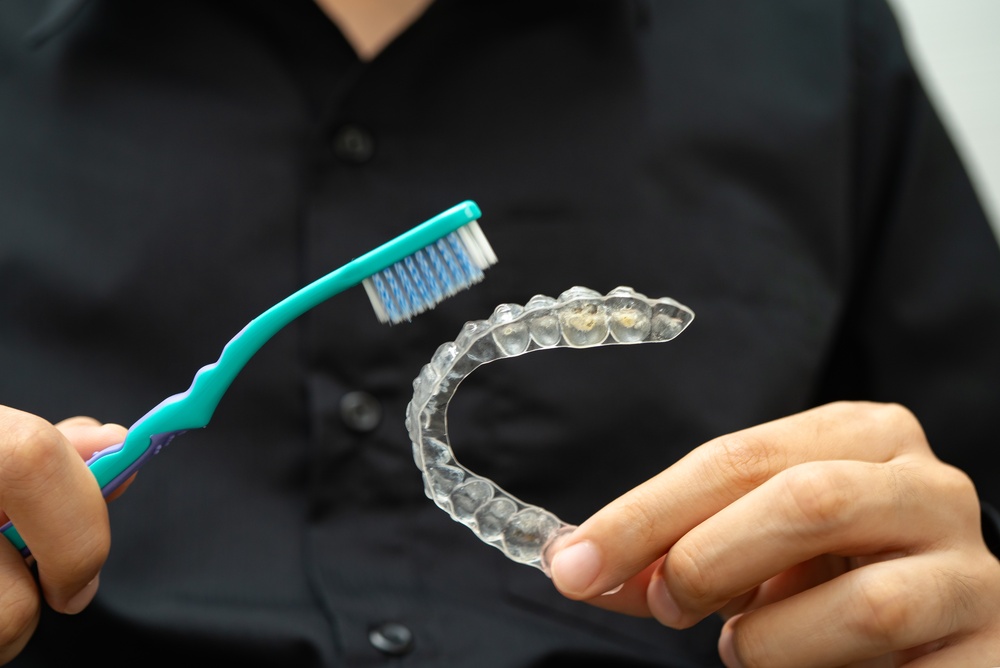
Clear aligners like Invisalign offer a less visible and more comfortable alternative to traditional braces, especially for adults. Aligners are custom-made, removable trays that gently move teeth into proper alignment. This discreet approach effectively resolves many orthodontic issues contributing to bruxism without impacting lifestyle or aesthetics. Aligners also have the added benefit of allowing for easier dental hygiene, which is crucial for overall oral health during orthodontic treatment.
In some instances, orthodontists may recommend adjunct treatments like splints or nightguards to protect teeth from damage during sleep. These protective appliances create a physical barrier, preventing teeth from grinding together and reducing muscle tension in the jaw. While orthodontic treatment addresses the underlying cause, protective devices provide immediate relief and safeguard teeth from further harm.
Lifestyle Adjustments to Support Orthodontic Treatment
Alongside orthodontic interventions, lifestyle adjustments play a significant role in managing teeth grinding effectively. Reducing stress through relaxation techniques such as meditation, deep breathing exercises, and yoga can substantially lower bruxism. Regular physical activity can also help release built-up tension, improving sleep and reducing nighttime grinding episodes.
Avoiding stimulants such as caffeine and alcohol, particularly before bedtime, can also significantly impact the severity and frequency of grinding. These substances can interfere with sleep patterns and exacerbate muscle tension, contributing directly to bruxism. Adopting a well-balanced diet rich in essential nutrients supports oral health, strengthens enamel, and helps teeth withstand potential wear and tear better.
Furthermore, maintaining excellent dental hygiene is essential during orthodontic treatment. Regular brushing, flossing, and professional dental cleanings ensure teeth remain healthy, strong, and less susceptible to damage caused by grinding. Consistent dental care practices also enhance orthodontic treatment outcomes, enabling you to achieve a healthier, more comfortable smile faster.
The Importance of Regular Orthodontic Follow-Up
Consistent follow-up appointments with your orthodontist are critical when addressing teeth grinding through orthodontic treatments. These regular visits allow for careful monitoring of your progress, timely adjustments to orthodontic appliances, and early detection of potential complications. Orthodontists may fine-tune your treatment plan based on your response, ensuring the most effective outcomes.
Regular follow-ups also provide opportunities to address questions or concerns regarding your orthodontic care. Clear communication between you and your orthodontic professional ensures the treatment is tailored to your needs, improving overall satisfaction and comfort throughout the process. These appointments foster proactive management of bruxism-related issues and promptly address any emerging problems.
Moreover, post-treatment follow-ups are essential even after orthodontic appliances are removed. Retainers or nightguards may be prescribed to maintain teeth alignment and prevent future grinding issues. Long-term monitoring ensures that orthodontic corrections remain stable, safeguarding your investment in oral health.
Conclusion
Orthodontics plays a critical role in managing and preventing teeth grinding by addressing the root causes associated with dental misalignments. Effective orthodontic solutions like braces, clear aligners, lifestyle modifications, and protective devices offer comprehensive strategies for overcoming bruxism. Prioritizing regular orthodontic visits ensures sustained oral health and prevents future dental complications. By understanding the link between orthodontics and teeth grinding, you can take proactive steps toward preserving your smile and enhancing your overall quality of life.
If you’re experiencing teeth grinding or suspect orthodontic issues might contribute to your dental discomfort, Viva Smiles is here to help. Our experienced orthodontists provide personalized assessments and effective treatments to address your unique needs. Don’t let teeth grinding harm your smile—schedule your consultation at Viva Smiles today and take the first step towards achieving optimal oral health.
Frequently Asked Questions
- Can orthodontic treatment completely cure teeth grinding?
Orthodontic treatment can significantly reduce or eliminate teeth grinding caused by misalignment issues. However, in cases related to stress or sleep disorders, additional treatments like lifestyle adjustments or protective devices may also be necessary. - Are clear aligners effective in treating bruxism-related problems?
Yes, clear aligners can correct mild to moderate misalignment issues contributing to bruxism. Aligners help realign teeth, relieving abnormal pressure and tension, thus reducing teeth-grinding episodes. - Is teeth grinding common during orthodontic treatment?
Some individuals may initially experience temporary increases in grinding due to adjustments or tooth movement. However, as teeth reach proper alignment, most patients find that their grinding symptoms diminish significantly or resolve completely.