

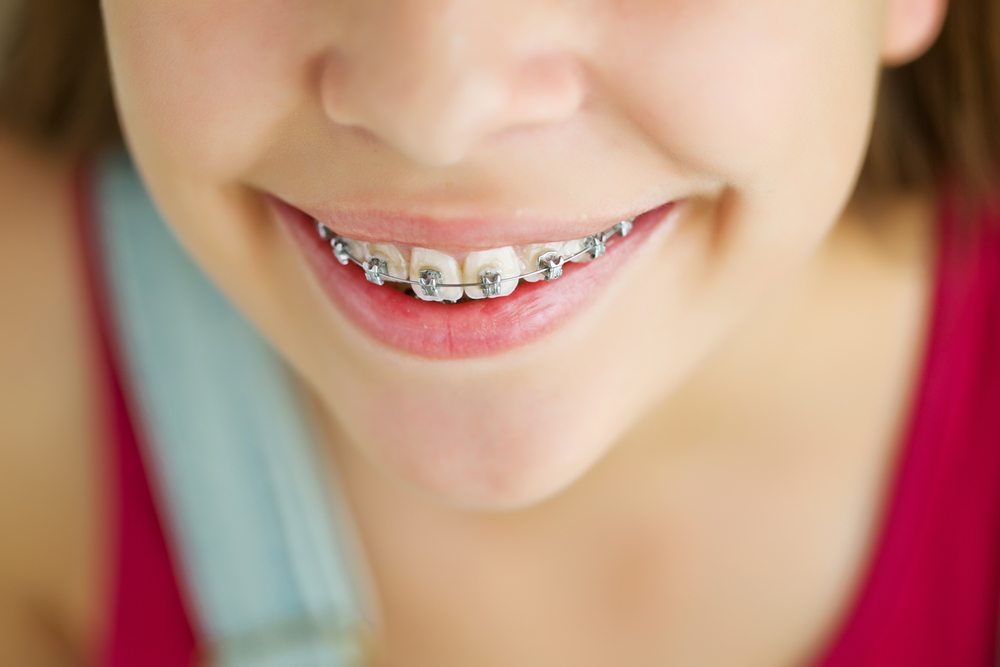
When parents think about braces, they often imagine teenagers with metal wires and rubber bands. However, orthodontic care isn’t just for teens. In fact, early orthodontic treatment—sometimes called interceptive orthodontics—can prevent more serious dental issues down the road. But what exactly is early orthodontic treatment, and why is it so important for your child’s oral health?
Orthodontic treatment for kids, also known as Phase 1 treatment, typically begins between the ages of 6 and 10. This phase helps guide the growth of a child’s jaw, correct misalignments, and create space for permanent teeth to come in properly. Addressing these issues early on can often reduce or even eliminate the need for more extensive treatments later in life.
The Benefits of Early Orthodontic Intervention
1. Prevents Severe Dental Issues
One of the biggest advantages of early orthodontic treatment is preventing more serious issues before they develop. By identifying and correcting problems such as crowding, crossbites, or jaw misalignment early, orthodontists can reduce the likelihood of needing complex treatments like tooth extractions or jaw surgery in the future.
2. Guides Jaw Growth
Children’s jaws are still developing, making it easier for an orthodontist to guide proper growth. If a child has a narrow jaw or an overbite, early treatment can help reshape and reposition the jaw to ensure a more balanced bite.
3. Improves Facial Symmetry and Appearance
Orthodontic issues don’t just affect teeth; they can impact a child’s overall facial symmetry. Early intervention helps in aligning the jaws and teeth in a way that improves the overall appearance of their smile and facial structure.
4. Reduces the Risk of Tooth Damage
Teeth that protrude or are misaligned are more susceptible to damage, especially from accidental falls or injuries. Early treatment can help reduce the risk of broken or chipped teeth by properly positioning them in the mouth.
5. Enhances Speech Development
Misaligned teeth and jaw structure can sometimes cause speech impediments in children. By correcting these issues early, orthodontic treatment can help improve speech clarity and overall communication skills.
6. Boosts Self-Confidence
A child’s smile plays a significant role in their confidence. If misaligned teeth are affecting their willingness to smile or speak, early orthodontic treatment can help give them the self-assurance they need to engage socially without feeling self-conscious.
7. Makes Future Orthodontic Treatment Easier and Shorter
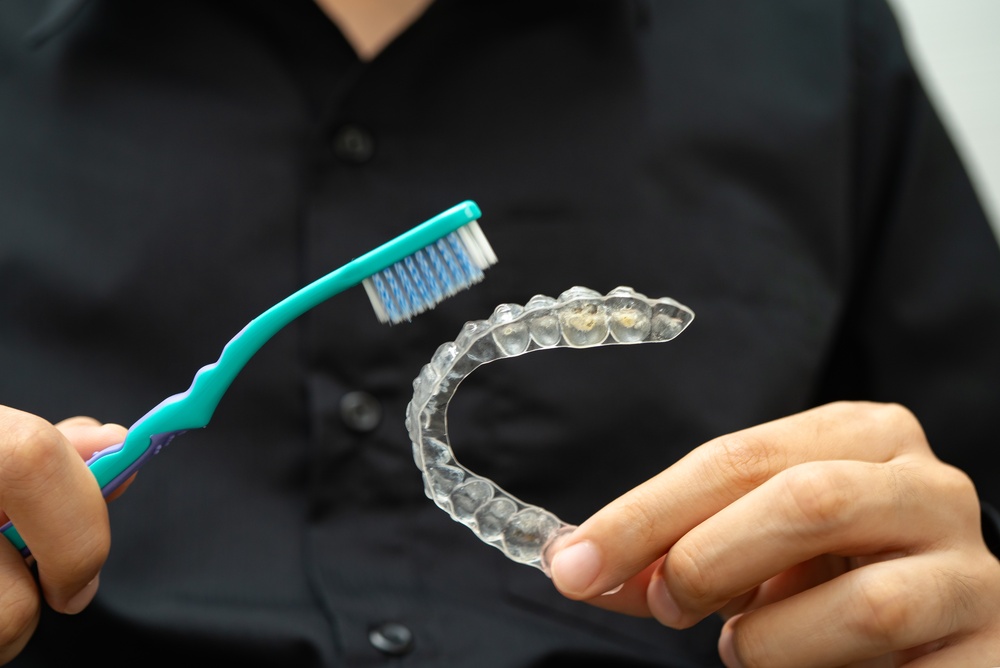
Starting orthodontic treatment early doesn’t always mean a child won’t need braces as a teen. Still, it can significantly shorten the treatment time and make it less complicated. Early intervention ensures that when Phase 2 treatment (usually braces or Invisalign) is needed, it will be more efficient and effective.
Common Signs Your Child May Need Early Orthodontic Treatment
Not every child requires early orthodontic intervention, but certain signs can indicate that it might be beneficial. Here are some red flags to watch for:
- Early or late loss of baby teeth (losing baby teeth too soon or holding onto them longer than normal can affect how permanent teeth grow in)
- Difficulty chewing or biting
- Mouth breathing
- Prolonged thumb sucking or pacifier use
- Crowded, misaligned, or protruding teeth
- Speech difficulties
- Jaw popping or shifting when opening and closing the mouth
If your child is experiencing any of these issues, it’s a good idea to schedule an orthodontic evaluation. Many orthodontists, including Viva Smiles, offer complimentary consultations to assess your child’s needs.
What to Expect During an Early Orthodontic Consultation
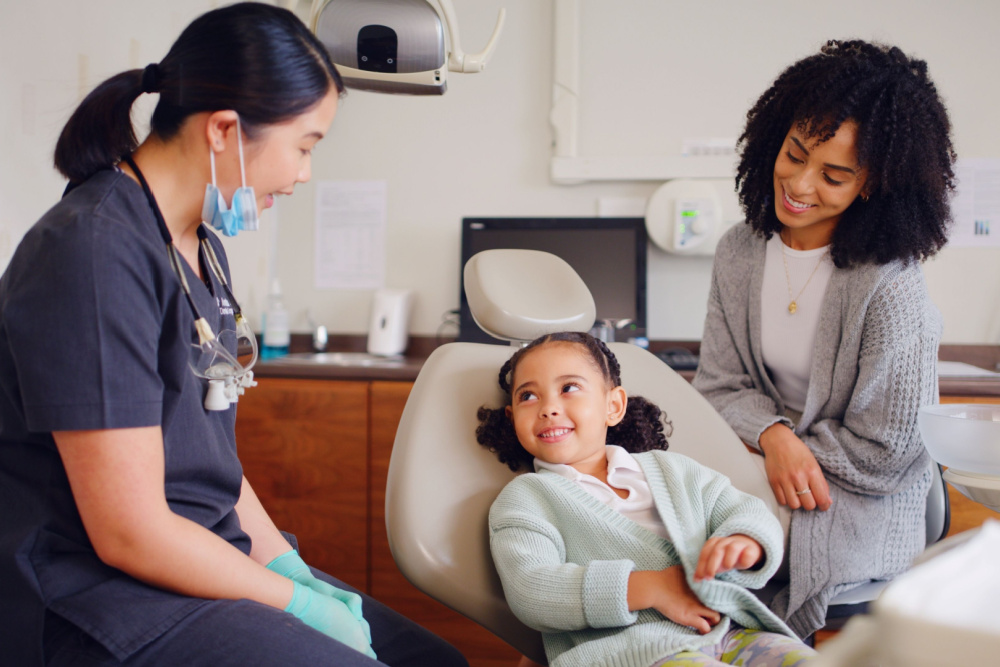
If your child is around age 7, the American Association of Orthodontists (AAO) recommends an initial orthodontic evaluation. Here’s what typically happens during a consultation:
- Initial Exam – The orthodontist will examine your child’s teeth, jaw, and facial structure to assess if early intervention is needed.
- X-rays and Digital Scans – These help determine the position of developing teeth and how they may impact future alignment.
- Discussion of Treatment Options – If early orthodontic treatment is necessary, the orthodontist will outline the best course of action, which may include space maintainers, expanders, or limited braces.
- Customized Treatment Plan – Every child’s needs are different, and a personalized treatment plan ensures the best results.
The Role of Parents in Orthodontic Treatment
As a parent, you play a crucial role in your child’s orthodontic journey. Here’s how you can help:
- Encourage good oral hygiene – Brushing and flossing properly will prevent cavities and gum issues.
- Monitor oral habits – If your child sucks their thumb or uses a pacifier beyond age 4, consider strategies to help them break the habit.
- Schedule regular dental visits – Routine check-ups with a dentist ensure that any developing issues are caught early.
- Follow orthodontic recommendations – If your orthodontist suggests early treatment, following their guidance will help ensure the best outcome.
Final Thoughts
Early orthodontic treatment isn’t just about straightening teeth—it’s about ensuring your child has a healthy, functional, and confident smile for life. By addressing orthodontic concerns early, parents can prevent more serious complications and set their children up for long-term success.
If you’re wondering whether orthodontic treatment for kids is right for your child, the team at Viva Smiles is here to help! Schedule a free consultation today and take the first step toward a healthier smile for your child.
Frequently Asked Questions (FAQs)
1. At what age should my child see an orthodontist?
The American Association of Orthodontists recommends that children have their first orthodontic check-up by age 7. This allows orthodontists to detect any potential issues early.
2. Does early orthodontic treatment mean my child won’t need braces later?
Not necessarily. While early treatment can correct certain problems and make later treatment easier, some children will still need Phase 2 treatment (like braces or Invisalign) in their teenage years.
3. How do I know if my child needs early orthodontic treatment?
Signs include difficulty chewing, crowded or misaligned teeth, jaw shifting, early or late loss of baby teeth, and speech issues. Scheduling a consultation with an orthodontist is the best way to determine if early treatment is necessary.