

After the active phase of orthodontic treatment, retainers play a critical role in maintaining the new positions of your teeth. Whether you’ve worn braces or aligners, post-treatment care with retainers is essential to ensure your hard-earned smile stays perfect. In this comprehensive guide, we will explore the best practices for retainer care, ensuring the longevity and effectiveness of these crucial orthodontic appliances.
Caring for your retainer is just as important as caring for your teeth. A well-maintained retainer ensures the stability of your orthodontic treatment results and supports overall oral hygiene. You can protect your investment in a beautiful smile by understanding and following proper retainer maintenance routines.
Types of Retainers
Fixed retainers
Fixed retainers, often made of a thin wire, are bonded to the back of your teeth. They are commonly used because they are permanent and, thus, continuously keep the teeth in place. While they are convenient since they don’t require daily removal, cleaning them requires more effort. It’s crucial to clean around the wire meticulously and the teeth to prevent plaque build-up and maintain gum health.
The key to maintaining fixed retainers is consistency in your oral hygiene routine. This includes thorough brushing, using interdental brushes or floss threaders to clean between teeth and regular check-ups with your orthodontist. It’s crucial to monitor the condition of your fixed retainer during your routine dental visits to ensure it remains securely bonded and free from damage.
Removable retainers
Removable retainers, such as Hawley or clear plastic retainers, offer the advantage of easy removal for cleaning. However, this type of retainer requires a diligent care routine to prevent damage and maintain hygiene. Removable retainers should be cleaned daily using appropriate methods and should be stored properly when not in use to avoid warping or cracking.
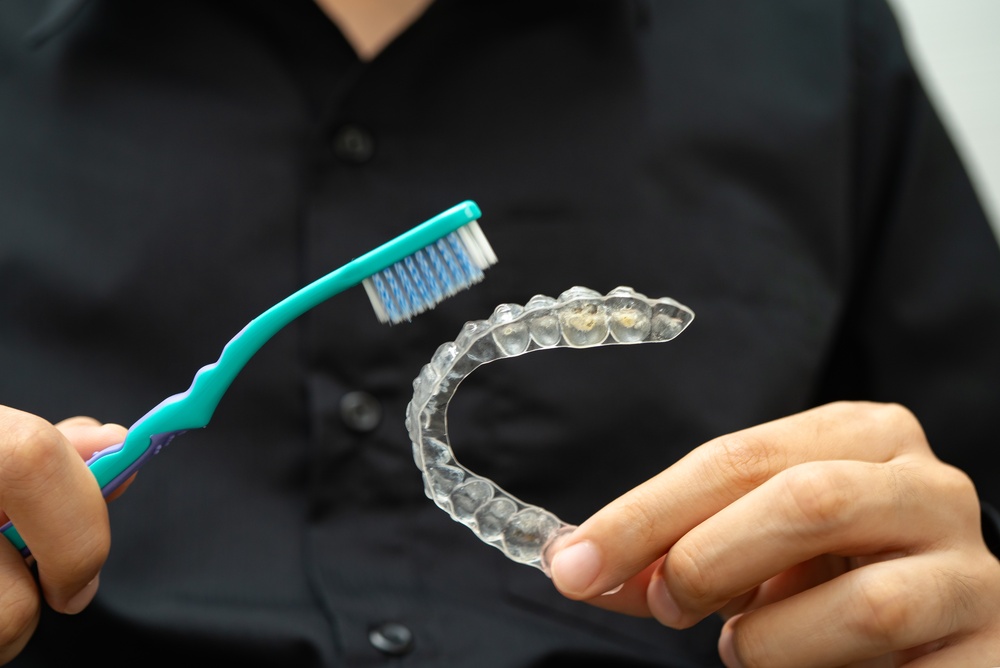
When cleaning removable retainers, avoid hot water, as it can warp the plastic. Use a soft-bristled toothbrush with a gentle soap or a cleaner specifically designed for retainers. It’s important to avoid abrasive toothpaste and harsh chemicals. Additionally, when your retainer is not in your mouth, it should be stored in its case to protect it from physical damage and to maintain cleanliness.
Daily Cleaning Routine
Cleaning fixed retainers
Thoroughly cleaning fixed retainers is essential to prevent plaque and tartar buildup. Use a soft-bristled toothbrush to brush around the wire and teeth gently. Pay special attention to the areas where the retainer wire meets the tooth, as plaque tends to accumulate here. Interdental brushes are excellent for getting into the nooks and crannies around a fixed retainer.
In addition to brushing, flossing daily using a floss threader is crucial. The threader helps get the floss under the wire to remove plaque and food particles between the teeth. This process might seem time-consuming initially, but it becomes a quick and integral part of your oral hygiene routine with practice.
Cleaning removable retainers
For removable retainers, it’s essential to clean them each time they are removed from your mouth. Plaque and bacteria can build up on the retainer, like on teeth. Gently brush the retainer with a soft toothbrush and lukewarm water. Avoid using hot water, as it can distort the shape of the retainer.
Consider using a retainer cleaning solution or effervescent tablets designed for dental appliances for a deeper clean. Soak the retainer in the solution as directed, but avoid over-soaking, as it may damage the retainer over time. After soaking, rinse the retainer thoroughly with water before placing it back in your mouth or its case.
Storing Your Retainer
When not in use
Proper storage of your retainer when it’s not in use is crucial. For removable retainers, always use the designated case. This protects the retainer not only from physical damage but also from bacteria and germs. Avoid wrapping the retainer in a napkin or tissue, as this increases the risk of being thrown away or damaged.
Store the retainer case in a cool, dry place to prevent heat damage and avoid leaving it in direct sunlight or a hot car. If your retainer is a clear plastic-type, exposure to heat can warp its shape, rendering it ineffective. It’s also advisable to keep the case out of reach of pets, as they can be attracted to the scent and may chew on the retainer.
During cleaning and eating
During meals, always store your removable retainer in its case. This reduces the risk of loss or accidental damage. It’s also a good practice to store it in the case while cleaning it and placing it on a clean surface. This ensures you have a secure place to put the retainer down if you need to pause or are interrupted.
Using a clean towel or cloth underneath the case can be helpful when cleaning your retainer. This provides a safe and hygienic spot to place your retainer, reducing the risk of slipping off a counter and getting damaged. Always keep your retainer case clean, washing it regularly with warm, soapy water.
Regular Check-Ups and Retainer Replacement
Importance of regular orthodontic visits
Regular visits to your orthodontist are important even after your braces are removed, or your active treatment phase is over. These visits allow your orthodontist to monitor the stability of your teeth and the condition of your retainer. If you have a fixed retainer, your orthodontist can check that it remains properly bonded and that no wires have broken.
During these visits, your orthodontist can also clean fixed retainers professionally, which can be challenging to clean thoroughly at home. They can also address any concerns you may have, such as discomfort or changes in fit, and make adjustments as necessary.
Knowing when to replace your retainer
Over time, retainers can wear down, lose their shape, or become less effective. It’s important to recognize the signs that your retainer needs replacing. For removable retainers, signs include cracks, warping, or a loose fit. For fixed retainers, if the wire is broken or has come unglued from a tooth, it must be repaired or replaced.
Do not attempt to adjust or repair your retainer, as this could cause more harm. If you notice any issues with your retainer, schedule an appointment with your orthodontist. They can assess the condition of the retainer and provide you with a replacement if necessary.
Conclusion
Caring for your retainer is a crucial aspect of your orthodontic treatment. By maintaining a proper cleaning routine, storing it correctly, and attending regular check-ups, you can ensure that your retainer remains effective in maintaining your new smile. Remember, a retainer is an investment in maintaining the results of your orthodontic treatment and taking good care of it is essential for long-term success.
If you have any concerns about your retainer or need advice on retainer care, don’t hesitate to contact us. Our team is dedicated to assisting you in every step of your orthodontic journey, ensuring your smile remains beautiful and healthy for years.