

Crowded teeth are a common dental issue that affects both the aesthetics of a smile and overall oral health. When teeth overlap or are too close together, it can make oral hygiene more difficult, leading to increased risks of decay, gum disease, and other dental complications. This article will explore the causes of crowded teeth, the health implications, and the orthodontic treatments available to correct this condition.
What Causes Crowded Teeth?
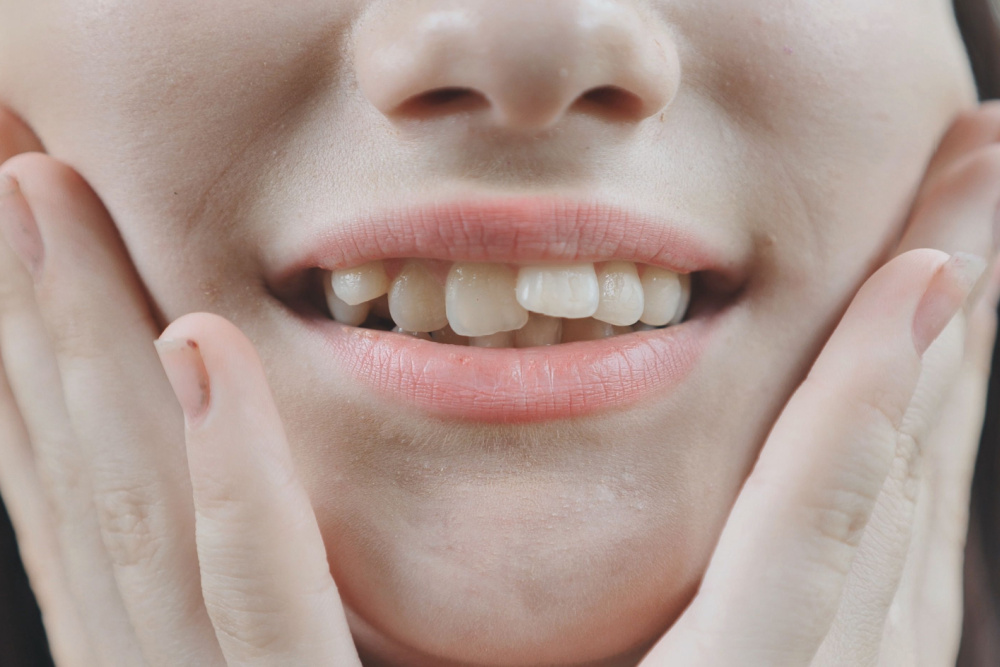
Crowded teeth occur when there isn’t enough space in the jaw for all of the teeth to align properly. Several factors can contribute to this issue, including genetics, improper jaw development, and early or late loss of baby teeth. In some cases, thumb sucking and other childhood habits can also lead to crowded teeth as they interfere with proper dental alignment during critical growth periods.
Additionally, dental crowding can be linked to the natural size of a person’s teeth. For example, if the teeth are larger than the available jaw space, they will often overlap or rotate as they attempt to fit into the mouth. This misalignment often worsens over time if left untreated, leading to further complications.
Health Implications of Crowded Teeth
Crowded teeth can lead to a range of oral health problems beyond just cosmetic concerns. One of the most common issues is the difficulty in maintaining proper oral hygiene. When teeth overlap, it creates hard-to-reach areas that are difficult to clean with regular brushing and flossing. This can lead to an increased risk of plaque buildup, cavities, and gum disease as bacteria thrive in these tight spaces.
Additionally, crowded teeth can affect the bite, leading to issues with chewing and jaw alignment. Over time, this can cause uneven wear on the teeth, as well as stress on the jaw muscles and joints, potentially leading to temporomandibular joint (TMJ) disorders. These issues can cause discomfort, headaches, and even affect speech.
Correcting crowded teeth is not just about improving the appearance of your smile—it’s essential for maintaining long-term oral health.
Orthodontic Treatment Options for Crowded Teeth
There are several orthodontic treatments available to correct crowded teeth, depending on the severity of the crowding and the age of the patient. Below are some of the most effective treatments used by orthodontists today:
- Braces: Traditional metal braces remain one of the most reliable methods for treating crowded teeth. Braces use brackets and wires to apply pressure to the teeth, gradually moving them into their proper positions. Over time, this helps to create space in the jaw and straighten the teeth. Braces can be customized with metal or clear brackets, and they are effective for both moderate and severe cases of crowding.
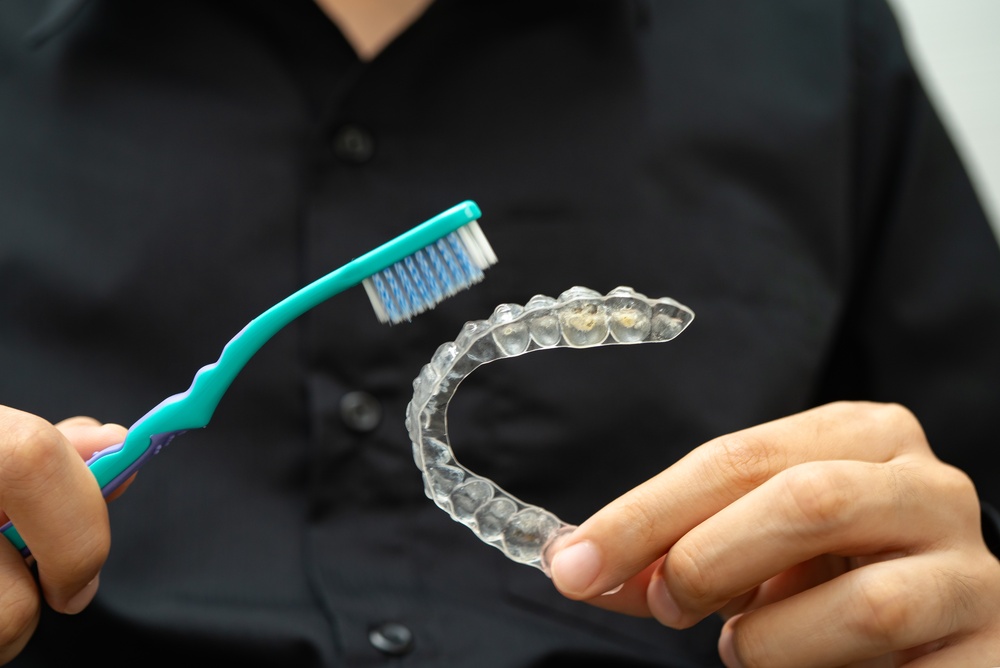
- Clear Aligners (Invisalign): Clear aligners are a popular option for adults and teens who want a more discreet treatment. Invisalign and other aligner systems use a series of clear, removable trays that gently guide the teeth into alignment over time. These aligners are virtually invisible and can be removed for eating and cleaning, making them a convenient option for many patients. However, they are typically recommended for mild to moderate crowding and may not be suitable for severe cases.
- Palatal Expanders: In younger patients, a palatal expander may be used to create more space in the upper jaw. This device gently widens the palate, allowing for better alignment of the teeth. Palatal expanders are particularly effective in children whose jaws are still developing, as early intervention can prevent the need for more invasive treatments later on.
- Tooth Extractions: In cases of severe crowding, it may be necessary to remove one or more teeth to create space in the jaw. This is usually followed by orthodontic treatment to move the remaining teeth into their proper positions. While extractions are generally considered a last resort, they can be highly effective for creating the space needed for optimal alignment.
- Lingual Braces: Lingual braces work similarly to traditional braces but are placed on the inside surface of the teeth, making them virtually invisible from the outside. These braces are an excellent option for patients who want the effectiveness of braces without the visible appearance. They require special expertise and may take a bit longer to adjust to, but they are highly effective for treating crowded teeth.
The Benefits of Treating Crowded Teeth
The benefits of correcting crowded teeth go beyond improving the aesthetics of your smile. Properly aligned teeth are easier to clean, reducing the risk of cavities, gum disease, and other oral health issues. Straight teeth also promote better function, making it easier to bite, chew, and speak.
In addition to improving oral health, correcting crowded teeth can enhance overall confidence and self-esteem. Many patients report feeling more comfortable and confident with their smiles after treatment, which can have a positive impact on social and professional interactions.
Moreover, orthodontic treatment for crowded teeth can prevent long-term complications, such as excessive tooth wear, TMJ issues, and even digestive problems related to improper chewing. By addressing crowded teeth early, patients can avoid more serious health problems later in life.
Orthodontic Treatment Process: What to Expect
If you’re considering orthodontic treatment for crowded teeth, it’s important to understand the process involved. The first step is a thorough evaluation by an orthodontist, who will assess the severity of the crowding and recommend the best course of treatment. This may involve taking x-rays, impressions, and photographs of your teeth to develop a personalized treatment plan.
Once your treatment plan is in place, your orthodontist will discuss the timeline, expectations, and potential challenges. For most patients, treatment can take anywhere from 12 to 36 months, depending on the complexity of the case. During this time, you’ll need to visit your orthodontist regularly for adjustments and check-ups to ensure that your teeth are moving as planned.
While undergoing treatment, it’s important to maintain good oral hygiene and follow any specific instructions provided by your orthodontist. This may include avoiding certain foods that can damage braces or aligners, using special cleaning tools, and attending regular dental cleanings.
Maintaining Results After Treatment
Once your orthodontic treatment is complete and your teeth are properly aligned, the next step is to maintain the results. After braces or aligners are removed, you will likely be fitted with a retainer to prevent your teeth from shifting back to their original positions. Retainers can be either removable or fixed and are typically worn for several months or years, depending on your orthodontist’s recommendations.
It’s essential to wear your retainer as instructed to protect the investment you’ve made in your smile. Neglecting to wear a retainer can lead to relapse, requiring additional orthodontic treatment in the future. Regular follow-up appointments with your orthodontist will ensure that your teeth stay in their new, healthy alignment.
Conclusion: A Clear Path to a Beautiful Smile
Crowded teeth can have a significant impact on both your oral health and your confidence. However, with the wide range of orthodontic treatments available today, correcting this issue has never been more accessible. From traditional braces to modern clear aligners, there are solutions for every lifestyle and need. By addressing crowded teeth early, you can prevent long-term health problems, improve your smile, and enjoy the benefits of a healthier, more functional bite.
At Viva Smiles, we specialize in personalized orthodontic care tailored to meet your specific needs. If you’re struggling with crowded teeth or want to explore your treatment options, we invite you to schedule a consultation with our expert team. Our goal is to help you achieve a straight, beautiful smile that enhances your oral health and boosts your confidence. Contact us today to book your appointment and take the first step towards a brighter, healthier future!