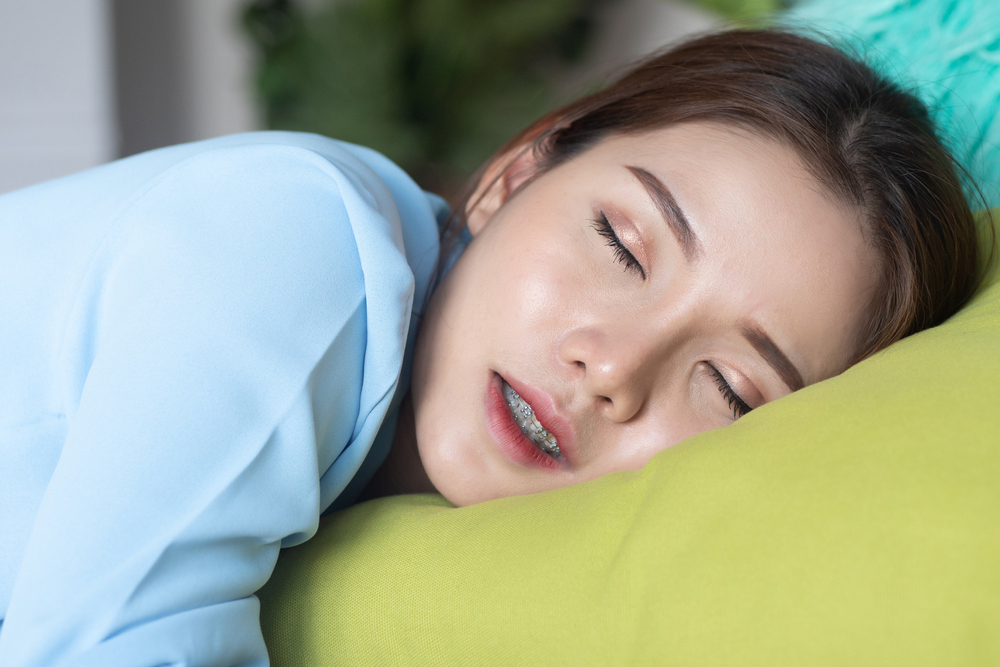


Sleep apnea, a sleep disorder characterized by repeated interruptions in breathing throughout the night, affects millions worldwide. While its implications for general health are well-known, many must be made aware of its impact on oral health. It’s essential to recognize the interplay between sleep apnea and the mouth, as the signs often first manifest here. This article explores how sleep apnea influences oral health and what can be done to mitigate these effects.
What Is Sleep Apnea?
Sleep apnea is a disorder in which an individual’s breathing is interrupted or becomes very shallow during sleep. These pauses can last from a few seconds to minutes and can occur up to 30 times or more in an hour. The most common form, obstructive sleep apnea (OSA), is caused by the relaxation of throat muscles, leading to a collapsed airway.
Oral Signs and Symptoms of Sleep Apnea
Dry mouth
One of the most common oral symptoms of sleep apnea is dry mouth. When airflow is blocked, individuals often breathe through their mouths, causing saliva to evaporate more quickly.
Why It’s a Concern:
Saliva plays a pivotal role in oral health, aiding digestion, neutralizing acid, and preventing tooth decay. A consistent dry mouth can increase the risk of cavities, gum disease, and bad breath.
Teeth grinding (Bruxism)
Many with sleep apnea also suffer from bruxism, where one grinds or clenches their teeth, typically during sleep.
Why It’s a Concern:
Frequent grinding can wear down tooth enamel, lead to jaw pain, increase tooth sensitivity, and even cause broken or chipped teeth. Over time, untreated bruxism can result in the loss of teeth.
Acid reflux
Sleep apnea can cause the esophagus to relax, leading to acid reflux. This stomach acid can then reach the mouth.
Why It’s a Concern:
Stomach acid harms teeth, leading to enamel erosion and increasing the risk of cavities and tooth sensitivity.
Palatal petechiae
Small red spots found on the roof of the mouth, known as palatal petechiae, can be a sign of sleep apnea. They result from the intense suction created as individuals try to breathe through blocked airways.
Why It’s a Concern:
While these spots are not harmful, they are clear signs of disrupted breathing during sleep.
Complications of Sleep Apnea-Related Oral Issues
Sleep apnea’s oral symptoms aren’t isolated concerns; they can lead to more severe dental and orthodontic issues if not addressed.
- Tooth Decay and Gum Disease: A consistent dry mouth and acid reflux can significantly increase the risk of tooth decay and gum disease.
- TMJ Disorders: Bruxism or chronic teeth grinding can result in TMJ disorders, causing pain in the jaw joint and the muscles controlling jaw movement.
- Tooth Misalignment: Chronic teeth grinding can also influence tooth alignment over time.
Managing Sleep Apnea for Better Oral Health
Recognizing the oral symptoms of sleep apnea is the first step. If you suspect you have sleep apnea, consult a doctor. Treatment options like continuous positive airway pressure (CPAP) machines, dental devices, lifestyle changes, and even surgical options can help manage and potentially alleviate the disorder.
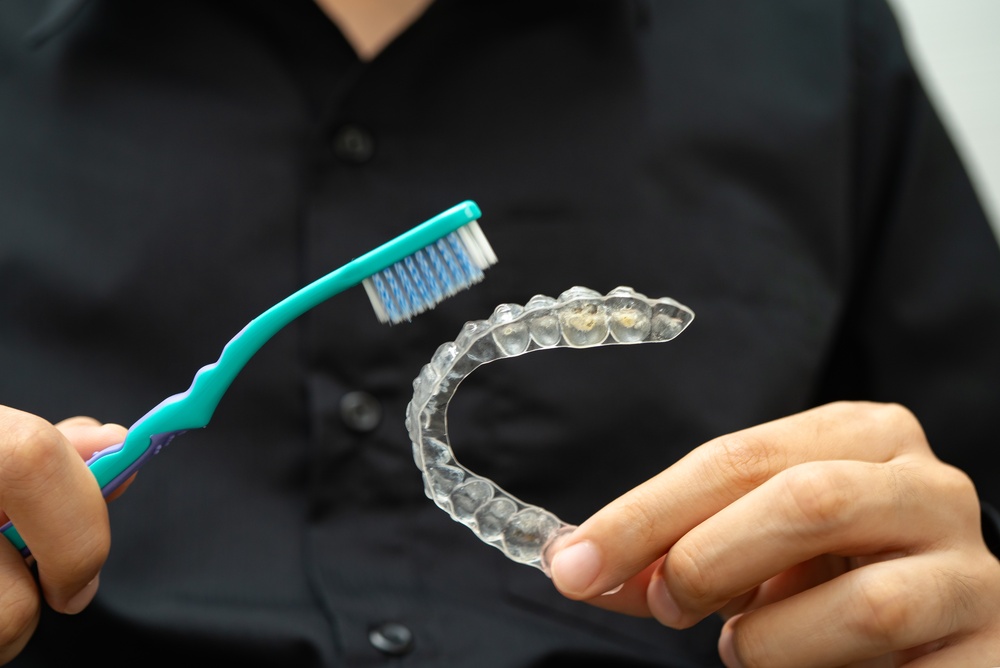
On the dental front, regular check-ups, using mouth guards to prevent grinding, specialized dry mouth products, and maintaining a robust oral hygiene routine can help address and prevent related oral health issues.
Conclusion
Sleep apnea doesn’t just disrupt sleep; it can also wreak havoc on your oral health. Recognizing the symptoms early and seeking appropriate treatment can make a significant difference, ensuring a healthy mouth and a restful night’s sleep.
Are you in need of a family orthodontist in Garden Grove? If so, contact us today!